
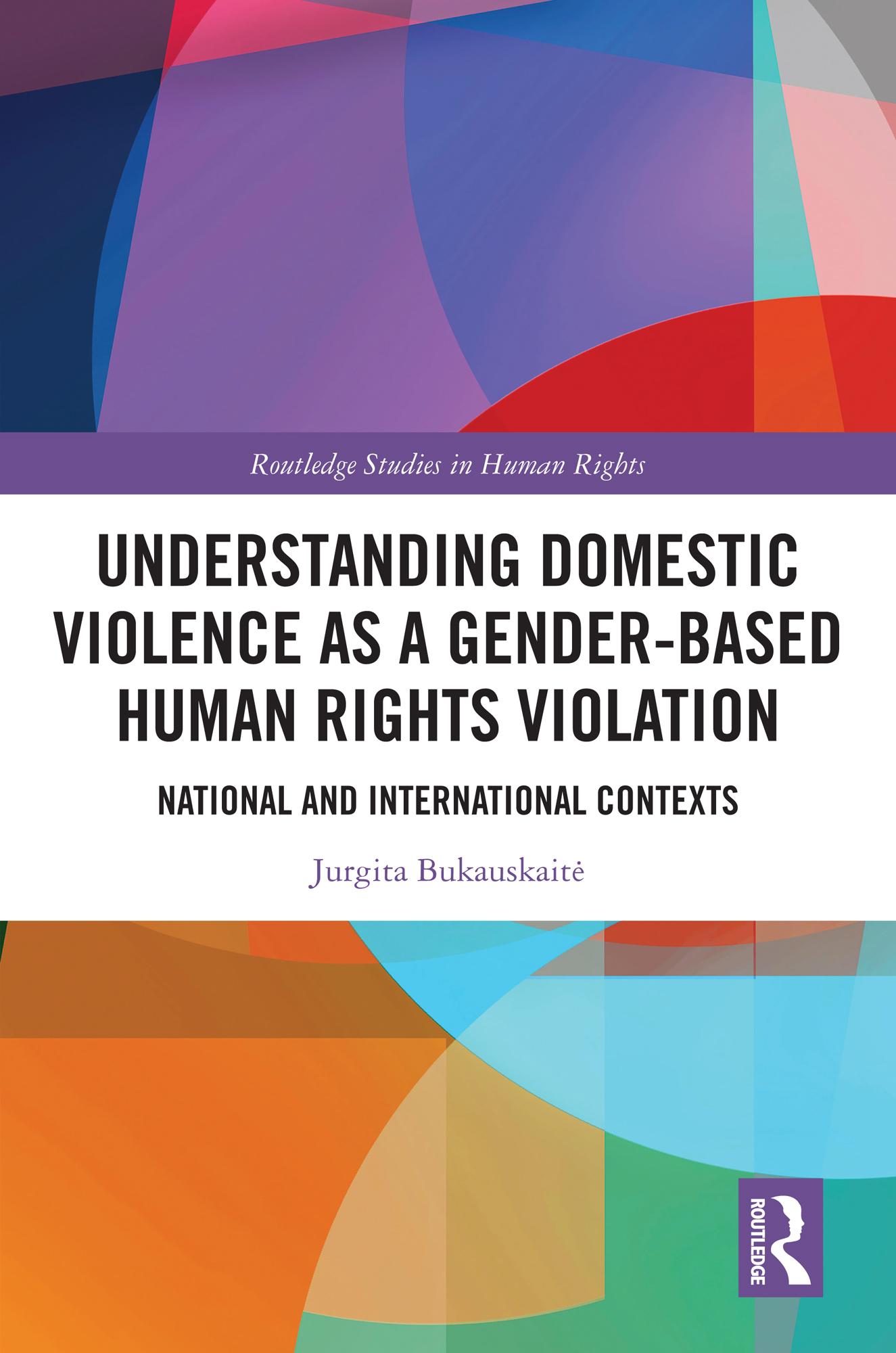
Examining the prevalent issue of domestic violence, this book breaks down the reasons behind the ineffectiveness of existing human rights instruments and the gaps in current legal systems failing those in need. Through a variety of key case studies, it reveals significant gaps in the legal conceptualisation of domestic violence between human rights standards on the one hand and the national legal systems examined—those of Ireland and Lithuania—on the other.
The book reveals that, contrary to gender-based universal human rights approaches and despite recent legislative reforms, the legal concept of domestic violence is gender-blind. It fails to capture gender-based empirical realities on the ground, rendering national legal systems devoid of an empirically informed theoretical basis for addressing the problem. Despite the differences in the contextual backgrounds of the two case study countries, the legislation on domestic violence is underpinned by patriarchal beliefs in both.
This book employs a gender-based examination of the issue that will be of key interest to scholars, legal practitioners, civil society actors, and students of feminist legal theory, gender equality, gender in international law, gender and human rights and conceptual democracy.
Betal enkelt med kort, Klarna, Apple Pay eller Google Pay. Ikke fornøyd? Du har alltid 14 dagers angrerett. Les mer i våre vilkår. Har du spørsmål, send oss en e-post på hello@memmo.org.
Memmo gjør det enklere å studere – uansett hvor du er i verden. Hos oss samler du pensumbøker og smarte studieverktøy på ett og samme sted: sammendrag, quizer, podkaster og flashcards. Og så Ted, din studiekompis som svarer på alt du lurer på. Over 50 000 studenter studerer allerede her – bygget for at du skal lære raskere og stresse mindre.