
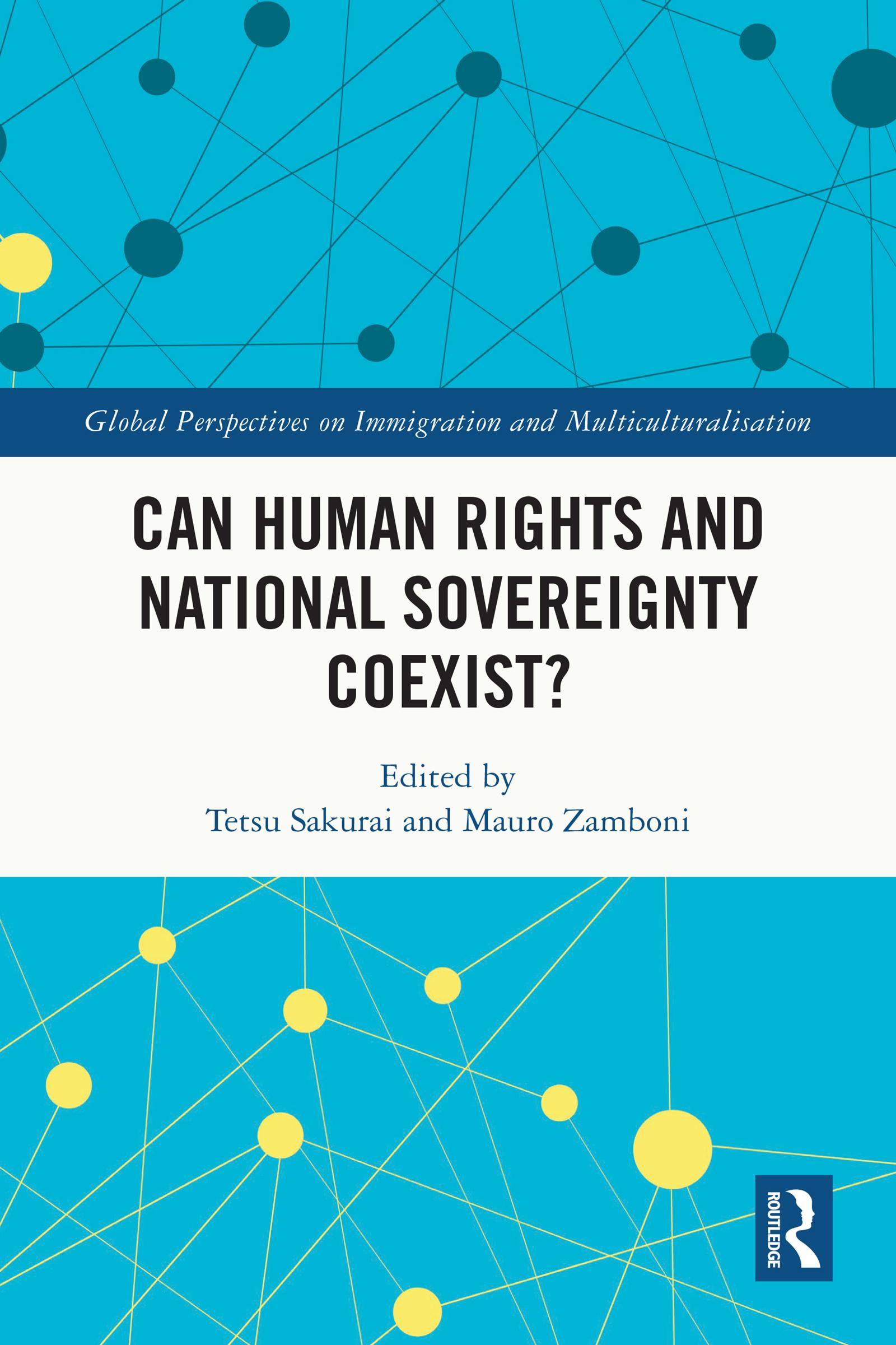
Looking at two of the key paradigms of the post-Cold War era–national sovereignty, and human rights – this book examines the possibilities for their reconciliation from a global perspective.
The real or imagined fear of a flood of immigrants has caused and fuelled the surge of an amalgam of populist political forces, anti-immigrant movements, and exclusionist nationalism in many developed countries. In the last decade, we have witnessed the emergence of two phenomena in the political and legal spheres. On the one hand, there are liberal globalists asking for respect and the protection of the basic human rights of migrants and asylum seekers and arguing for their civic and social integration into host societies. On the other hand, there are growing calls for a tougher stance on immigration, and powerful populist politicians and governments have emerged in many developed countries. How can the idea of universal human rights survive exclusionist nationalism that uses a populist, unscrupulous approach to its advantage? The contributors to this book explore the meaning of, and possible solutions to, this dilemma using a wide range of approaches and seek appropriate ways of dealing with these normative predicaments shared by many developed societies.
Scholars and students of human rights, migration, nationalism and multiculturalism will find this a very valuable resource.
Betal enkelt med kort, Klarna, Apple Pay eller Google Pay. Ikke fornøyd? Du har alltid 14 dagers angrerett. Les mer i våre vilkår. Har du spørsmål, send oss en e-post på hello@memmo.org.
Memmo gjør det enklere å studere – uansett hvor du er i verden. Hos oss samler du pensumbøker og smarte studieverktøy på ett og samme sted: sammendrag, quizer, podkaster og flashcards. Og så Ted, din studiekompis som svarer på alt du lurer på. Over 50 000 studenter studerer allerede her – bygget for at du skal lære raskere og stresse mindre.