
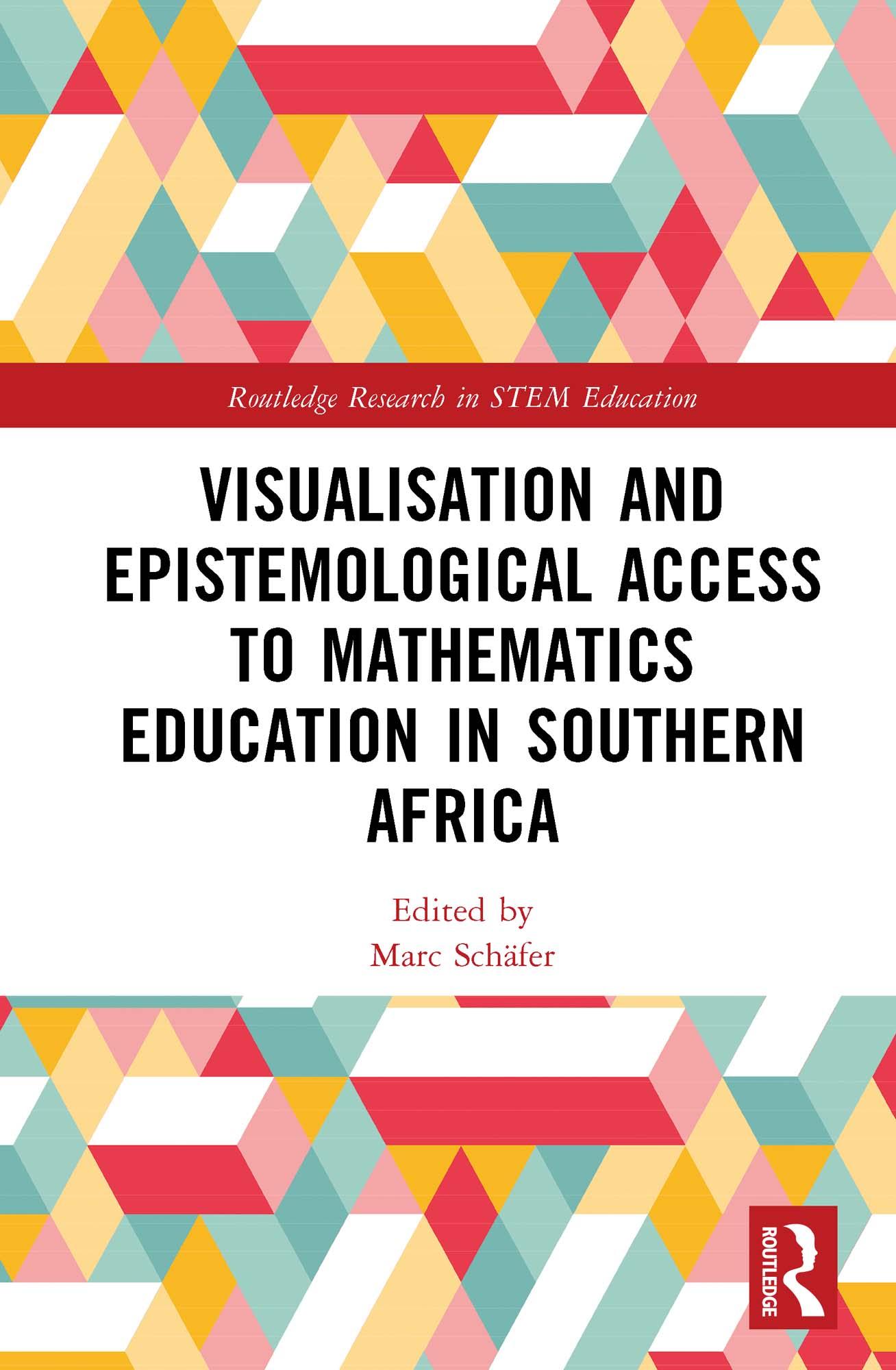
This book demonstrates that using visualisation processes in mathematics education can help to enhance teaching and learning and bridge the inequality gap that exists between well-resourced and under-resourced schools in Southern Africa.
Drawing on classroom research conducted in the Southern African region, it examines how epistemological access in a context of gross inequality can be constructively addressed by providing research-based solutions and recommendations. The book outlines the visualisation process as an integral but often overlooked process of mathematics teaching and learning. It goes beyond the traditional understanding of visualisation processes such as picture forming and using tools and considers visualisation processes that are semiotic in nature and includes actions such as gestures in combination with language. It adds value to the visualisation in mathematics education research discourse and deliberation in Africa.
With a unique focus on Southern Africa and open avenues for further research and collaboration in the region, it will be a highly relevant reading for researchers, academics and post-graduate students of mathematics education, comparative education and social justice education.
Betal enkelt med kort, Klarna, Apple Pay eller Google Pay. Ikke fornøyd? Du har alltid 14 dagers angrerett. Les mer i våre vilkår. Har du spørsmål, send oss en e-post på hello@memmo.org.
Memmo gjør det enklere å studere – uansett hvor du er i verden. Hos oss samler du pensumbøker og smarte studieverktøy på ett og samme sted: sammendrag, quizer, podkaster og flashcards. Og så Ted, din studiekompis som svarer på alt du lurer på. Over 50 000 studenter studerer allerede her – bygget for at du skal lære raskere og stresse mindre.