
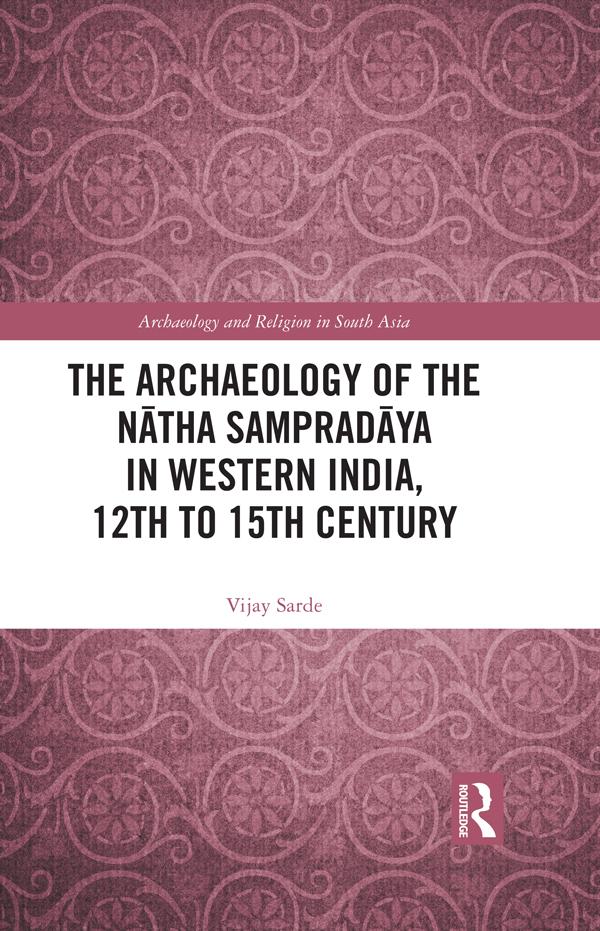
This book studies Nātha sampradāya through archaeological evidence for the first time. Drawing on a pioneering approach to the study of ascetic traditions, it investigates not only the nature of the Nātha sampradāya’s religious architecture but also examines the extent to which they shared space with other religious groups such as the devotees of Siva and Sakti, Buddhism, and Islam, especially with the Sufi tradition.
Focusing on western India, the book sifts through a variety of archaeological evidence and documentation of their temples, caves, and maṭhas. It critically analyses iconographic representations of ascetics on temple walls and sculptural representations of yogic postures or āsanas. Further, these representations are discussed within a pan-South Asian framework to highlight both the commonalities of the tradition across the subcontinent and the regional specificities, along with their chronological spread.
Breaking new ground, this volume will be of great interest to scholars and researchers of religion, especially Hinduism, history, archaeology, and South Asian studies.
Betal enkelt med kort, Klarna, Apple Pay eller Google Pay. Ikke fornøyd? Du har alltid 14 dagers angrerett. Les mer i våre vilkår. Har du spørsmål, send oss en e-post på hello@memmo.org.
Memmo gjør det enklere å studere – uansett hvor du er i verden. Hos oss samler du pensumbøker og smarte studieverktøy på ett og samme sted: sammendrag, quizer, podkaster og flashcards. Og så Ted, din studiekompis som svarer på alt du lurer på. Over 50 000 studenter studerer allerede her – bygget for at du skal lære raskere og stresse mindre.