
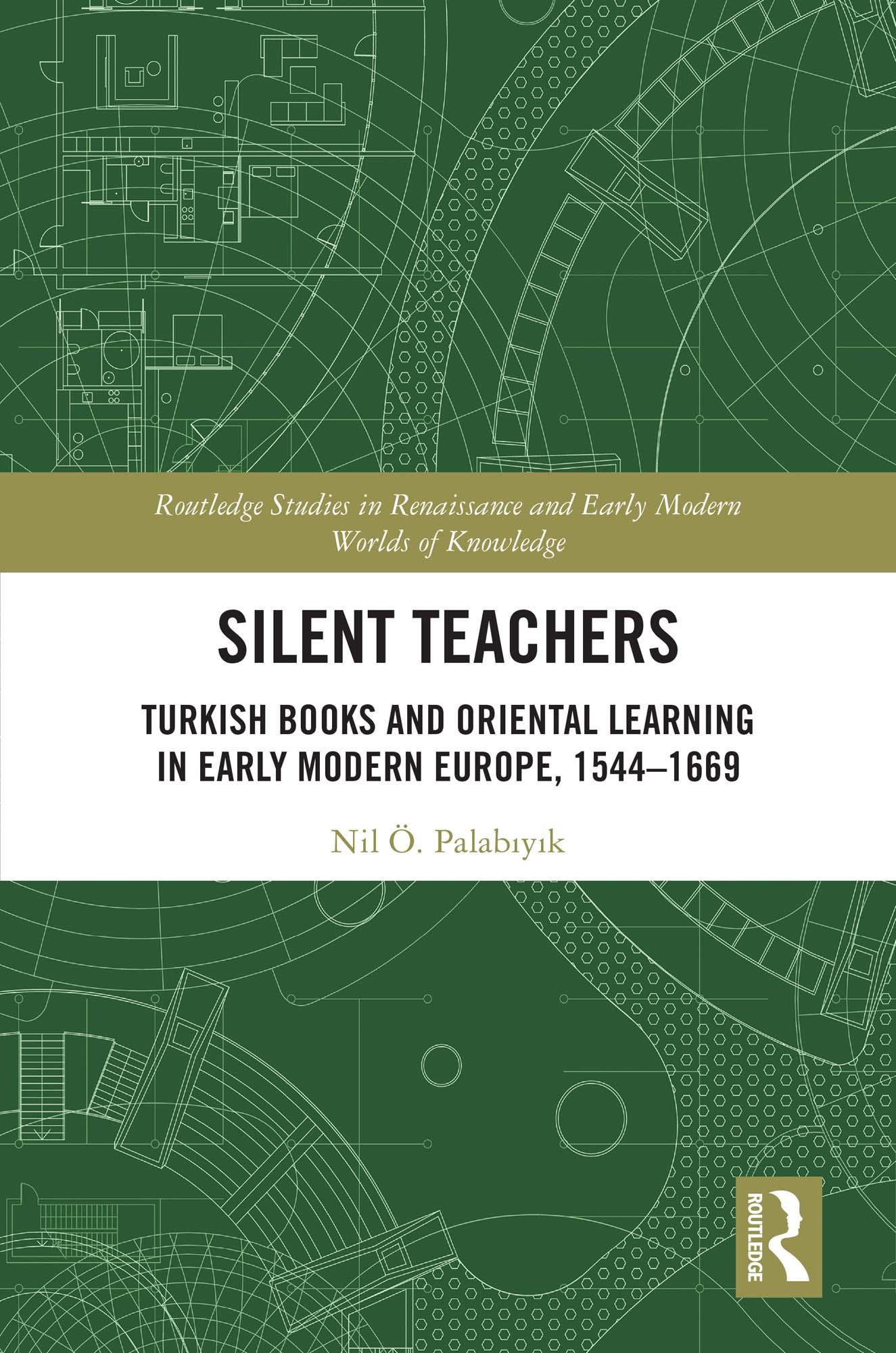
Silent Teachers considers for the first time the influence of Ottoman scholarly practices and reference tools on oriental learning in early modern Europe. Telling the story of oriental studies through the annotations, study notes, and correspondence of European scholars, it demonstrates the central but often overlooked role that Turkish-language manuscripts played in the achievements of early orientalists. Dispersing the myths and misunderstandings found in previous scholarship, this book offers a fresh history of Turkish studies in Europe and new insights into how Renaissance intellectuals studied Arabic and Persian through contemporaneous Turkish sources.
This story hardly has any dull moments: the reader will encounter many larger-than-life figures, including an armchair expert who turned his alleged captivity under the Ottomans into bestselling books; a drunken dragoman who preferred enjoying the fruits of the vine to his duties at the Sublime Porte; and a curmudgeonly German physician whose pugnacious pamphlets led to the erasure of his name from history.
Taking its title from the celebrated humanist Joseph Scaliger’s comment that books from the Muslim world are ‘silent teachers’ and need to be explained orally to be understood, this study gives voice to the many and varied Turkish-language books that circulated in early modern Europe and proposes a paradigm-shift in our understanding of early modern erudite culture.
Betal enkelt med kort, Klarna, Apple Pay eller Google Pay. Ikke fornøyd? Du har alltid 14 dagers angrerett. Les mer i våre vilkår. Har du spørsmål, send oss en e-post på hello@memmo.org.
Memmo gjør det enklere å studere – uansett hvor du er i verden. Hos oss samler du pensumbøker og smarte studieverktøy på ett og samme sted: sammendrag, quizer, podkaster og flashcards. Og så Ted, din studiekompis som svarer på alt du lurer på. Over 50 000 studenter studerer allerede her – bygget for at du skal lære raskere og stresse mindre.