
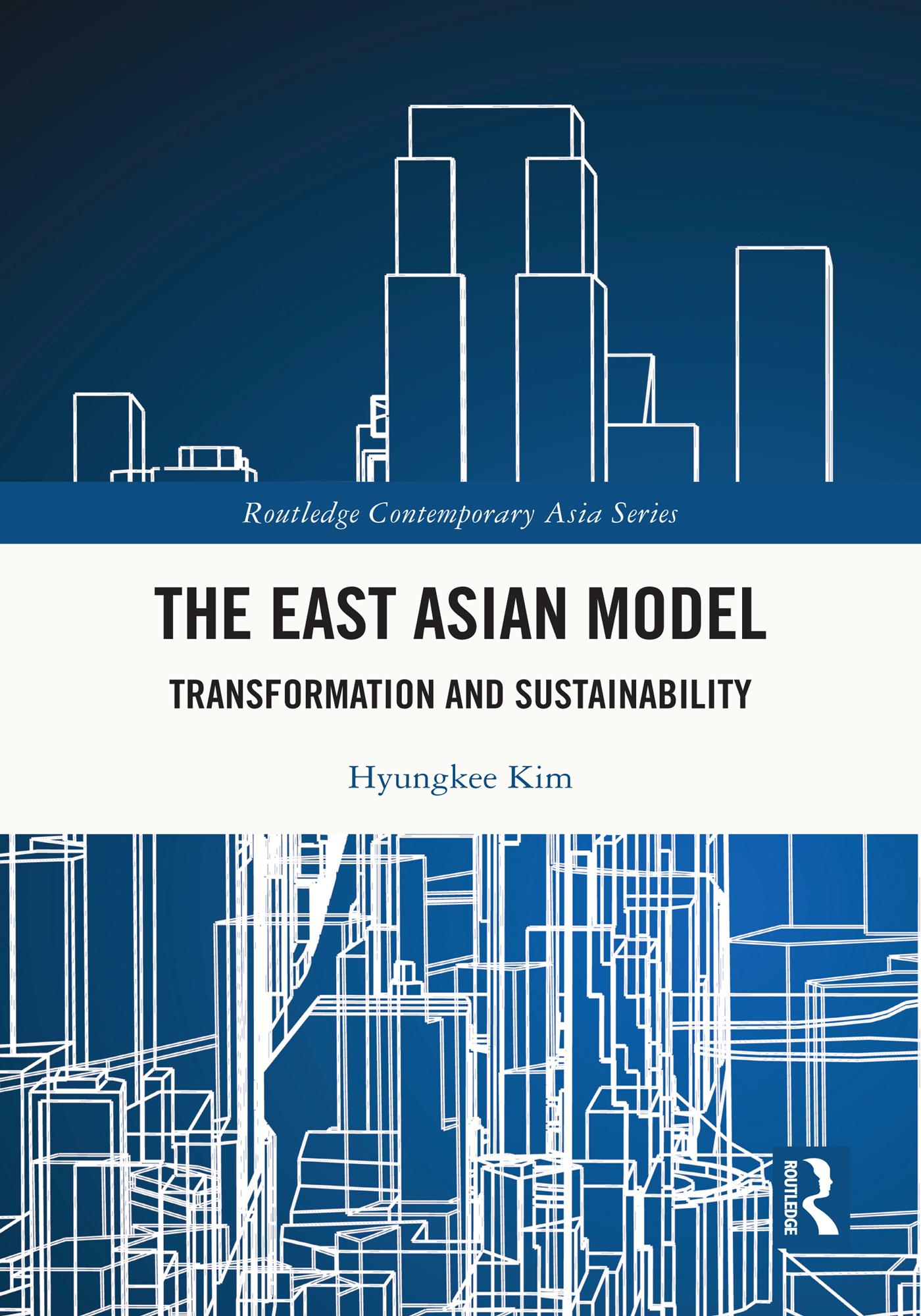
Hyungkee Kim analyses the model of East Asian development as it existed during periods of high growth and how it was transformed by pressures from both the Washington consensus and its own internal contradictions.
Many have discussed the successes and failures of the East Asian model, but Kim is concerned rather with the story of its transformation, and its long-term sustainability. He uses a Five Sector Model, which focuses on the, state, corporate, financial, labour, and foreign sectors to identify the core of East Asian model and examine the variants in Korea, Japan and China. He also outlines the distinctions between the East Asian model and Western development models including the Anglo-American, Rhine, and Nordic models. He analyses in detail the institutional changes such as marketization, privatization, liberalization, and flexibilization that have transformed the East Asian model. Highlighting the major problems that emerged from the transformation of the East Asian model, Kim assesses its prospects for economic, social and ecological sustainability and proposes an agenda for institutional reforms.
An essential reading for scholars of East Asian political economy.
Betal enkelt med kort, Klarna, Apple Pay eller Google Pay. Ikke fornøyd? Du har alltid 14 dagers angrerett. Les mer i våre vilkår. Har du spørsmål, send oss en e-post på hello@memmo.org.
Memmo gjør det enklere å studere – uansett hvor du er i verden. Hos oss samler du pensumbøker og smarte studieverktøy på ett og samme sted: sammendrag, quizer, podkaster og flashcards. Og så Ted, din studiekompis som svarer på alt du lurer på. Over 50 000 studenter studerer allerede her – bygget for at du skal lære raskere og stresse mindre.