
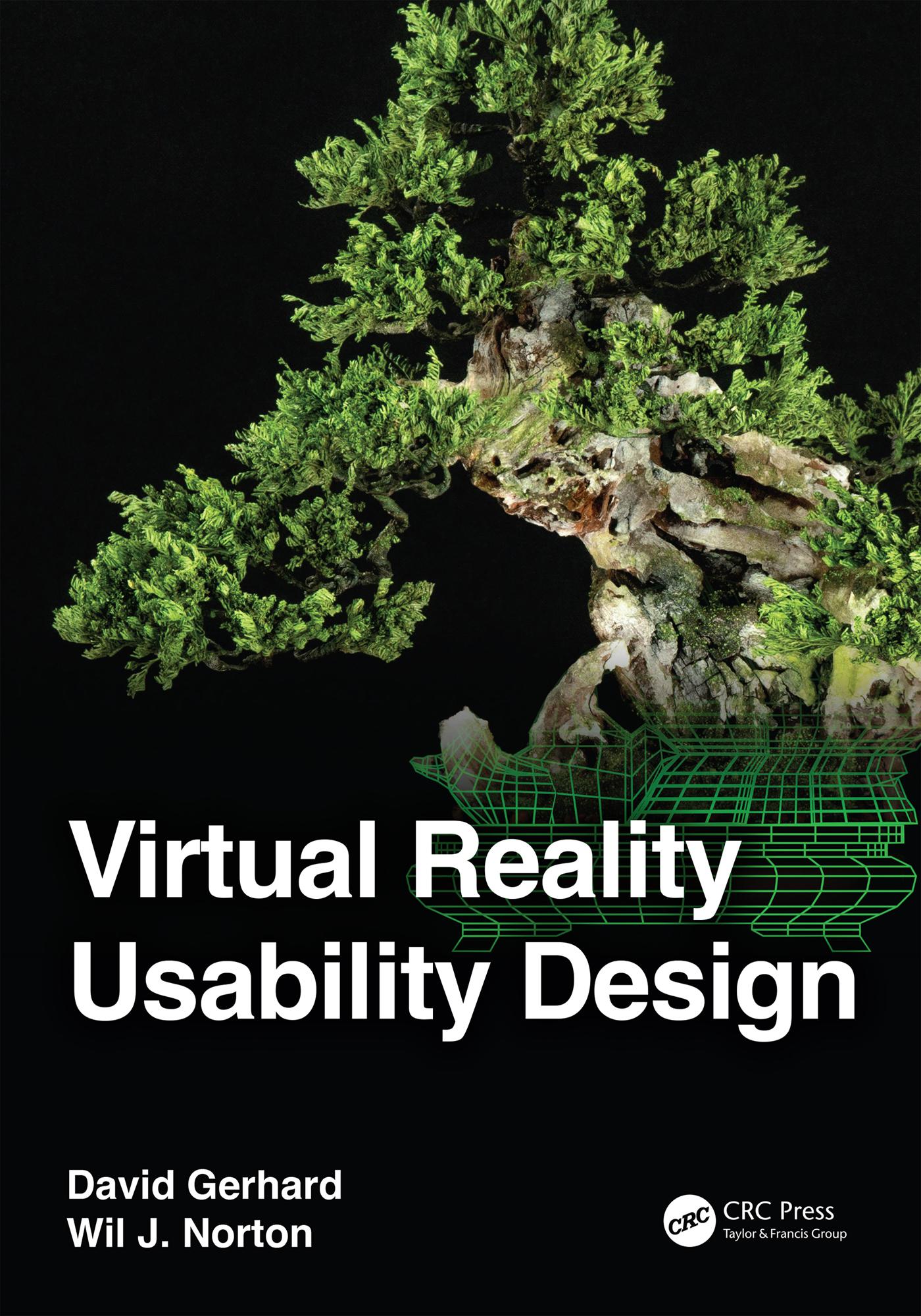
The development of effective and usable software for spatial computing platforms like virtual reality (VR) requires an understanding of how these devices create new possibilities (and new perils) when it comes to interactions between humans and computers. Virtual Reality Usability Design provides readers with an understanding of the techniques and technologies required to design engaging and effective VR applications.
The book covers both the mechanics of how human senses and the mind experience immersive virtual environments, as well as how to leverage these mechanics to create human-focused virtual experiences. Deeply rooted in principles of human perception and computational interaction, the current and future limitations of these replacements are also considered.
Full of real-world examples, this book is an indispensable guide for any practising VR developer interested in making efficient and effective interfaces. Meanwhile, explorations of concrete theory in their practical application will be useful for VR students and researchers alike.
Betal enkelt med kort, Klarna, Apple Pay eller Google Pay. Ikke fornøyd? Du har alltid 14 dagers angrerett. Les mer i våre vilkår. Har du spørsmål, send oss en e-post på hello@memmo.org.
Memmo gjør det enklere å studere – uansett hvor du er i verden. Hos oss samler du pensumbøker og smarte studieverktøy på ett og samme sted: sammendrag, quizer, podkaster og flashcards. Og så Ted, din studiekompis som svarer på alt du lurer på. Over 50 000 studenter studerer allerede her – bygget for at du skal lære raskere og stresse mindre.