
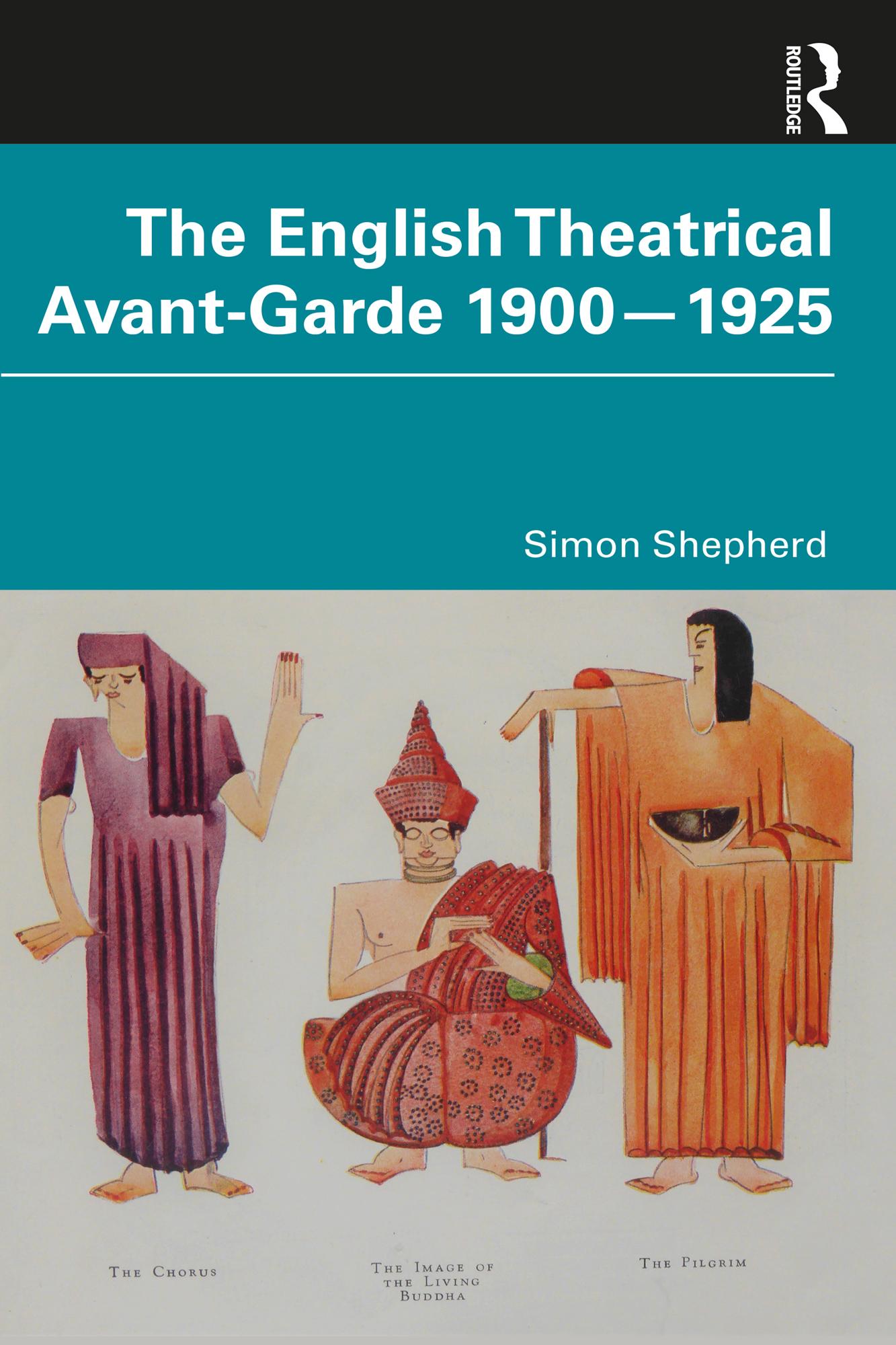
The English Theatrical Avant-Garde, 1900–1925 unearths an extensive range of hitherto forgotten or ignored theatre practices. In doing so it reveals some of the well-known figures of the early twentieth-century English theatre in a strikingly new light. It fluently describes an intensity of innovation and experiment that together made the Edwardian theatre rather more radical, and rather more queer, than we’ve ever thought.
Where the majority of writing on the early twentieth-century theatrical avant-garde is concerned with European movements and experiments, English activity of the period is often seen as parochial and conservative – mainly realism and issues-based drama. This book presents a new model of how avant-gardes might work; a model based not on masculine individualism but on communal inclusion. In describing this fascinating material, the author introduces us to many new figures and shows familiar ones in different ways: there’s Florence Farr, independent woman; Bob Trevelyan, radical pacifist and music drama pioneer; Granville Barker doing fairy plays while de-dramatising drama; Laurence Housman, socialist, homosexual, scripting St Francis; and the oddly modern J.M. Barrie. Together they made theatre practices rich in their diversity but consistent in their attempt to be new, producing a theatrical avant-garde unlike any other.
This is a vital and indispensable new study for scholars and students of early twentieth-century theatre in England and beyond.
Betal enkelt med kort, Klarna, Apple Pay eller Google Pay. Ikke fornøyd? Du har alltid 14 dagers angrerett. Les mer i våre vilkår. Har du spørsmål, send oss en e-post på hello@memmo.org.
Memmo gjør det enklere å studere – uansett hvor du er i verden. Hos oss samler du pensumbøker og smarte studieverktøy på ett og samme sted: sammendrag, quizer, podkaster og flashcards. Og så Ted, din studiekompis som svarer på alt du lurer på. Over 50 000 studenter studerer allerede her – bygget for at du skal lære raskere og stresse mindre.