
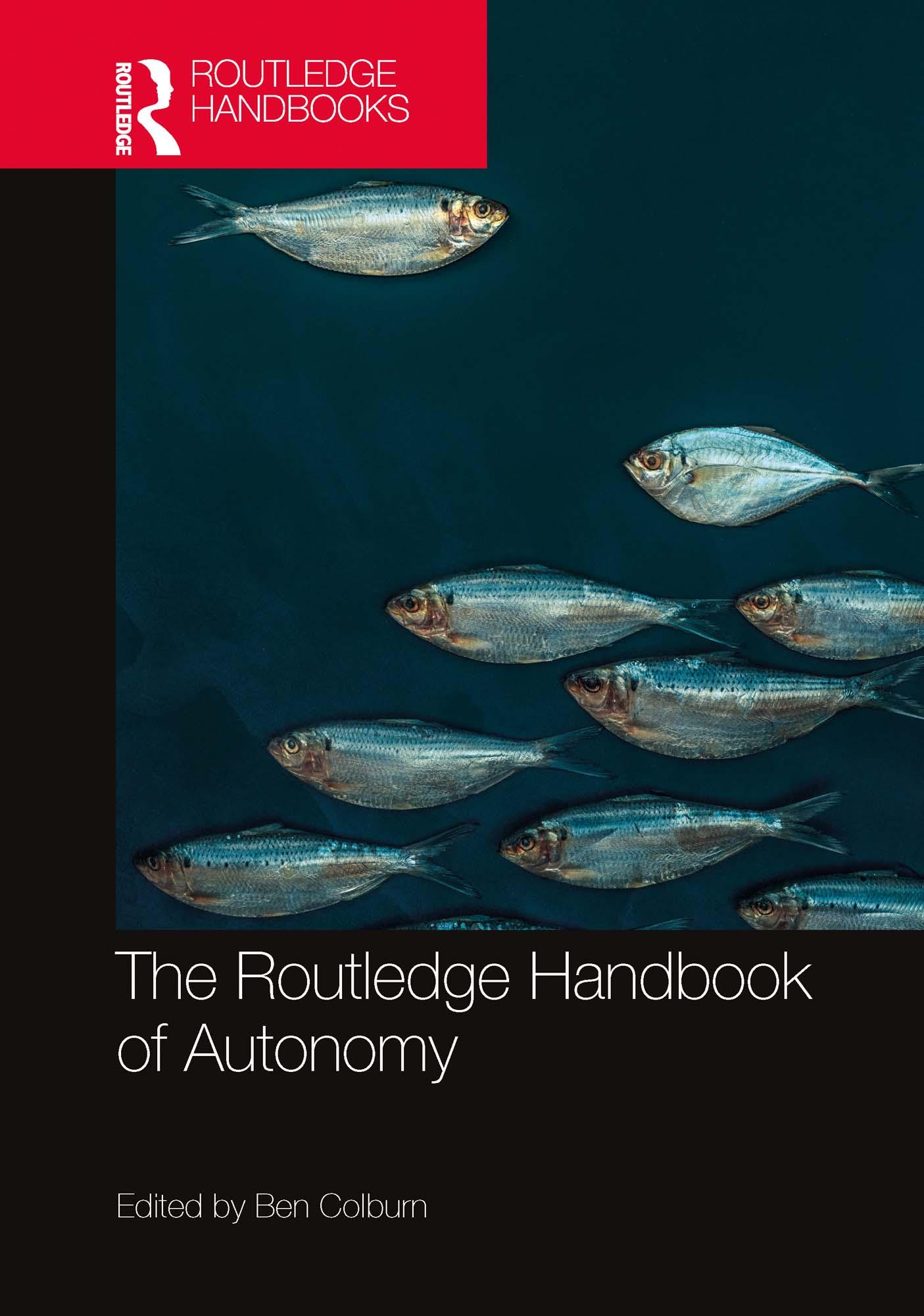
The question of autonomy is fundamental to understanding some of the most important questions and debates in contemporary political and moral life, from freedom of the individual, free will and decision-making to controversies surrounding medical ethics, human rights and the justifications for state intervention. It is also a crucial concept for understanding the development of liberalism.
The Routledge Handbook of Autonomy is a comprehensive survey and assessment of the key figures, debates and problems surrounding autonomy. Comprising over forty chapters by an international team of contributors, the Handbook is divided into five clear parts:
- Autonomy through History
- Foundations of Autonomy
- Threats to Autonomy
- The Significance of Autonomy
- Autonomy in Application.
Within these sections, all the essential topics are addressed, making The Routledge Handbook of Autonomy an outstanding reference source for those in political philosophy, ethics, applied ethics and philosophy of law. It is also highly recommended reading for those in related subjects, such as politics, social policy and education.
Betal enkelt med kort, Klarna, Apple Pay eller Google Pay. Ikke fornøyd? Du har alltid 14 dagers angrerett. Les mer i våre vilkår. Har du spørsmål, send oss en e-post på hello@memmo.org.
Memmo gjør det enklere å studere – uansett hvor du er i verden. Hos oss samler du pensumbøker og smarte studieverktøy på ett og samme sted: sammendrag, quizer, podkaster og flashcards. Og så Ted, din studiekompis som svarer på alt du lurer på. Over 50 000 studenter studerer allerede her – bygget for at du skal lære raskere og stresse mindre.