
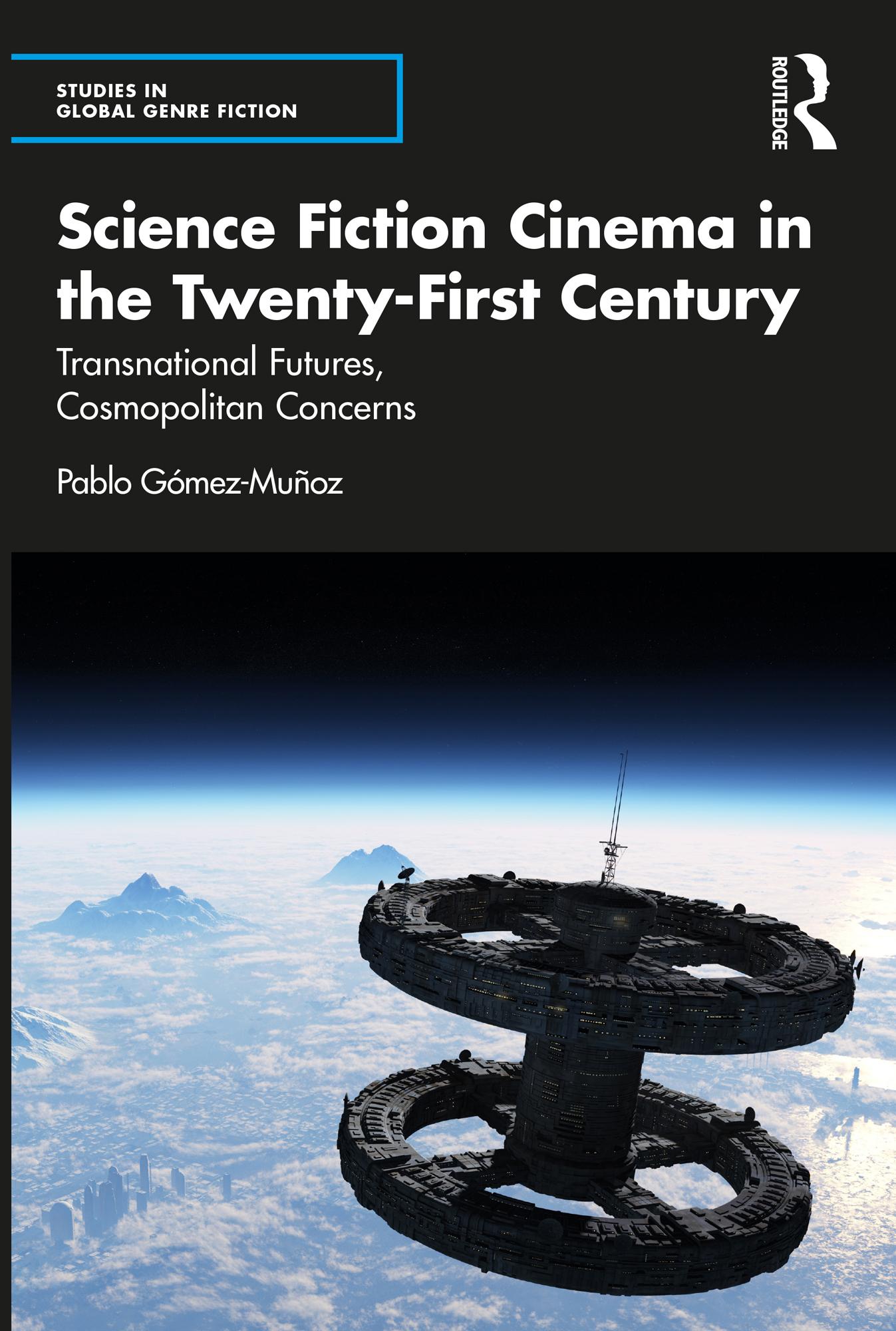
Recent films are increasingly using themes and conventions of science fiction such as dystopian societies, catastrophic environmental disasters, apocalyptic scenarios, aliens, monsters, time travel, teleportation, and supernatural abilities to address cosmopolitan concerns such as human rights, climate change, economic precarity, and mobility. This book identifies and analyses the new transnational turn towards cosmopolitanism in science fiction cinema since the beginning of the twenty-first century.
The book considers a wide selection of examples, including case studies of films such as Elysium, In Time, 2012, Andrew Niccol’s The Host, Codependent Lesbian Space Alien Seeks Same, and Cloud Atlas. It also questions the seeming cosmopolitanism of these narratives and exposes how they sometimes reproduce social hierarchies and exploitative practices.
Dealing with diverse, interdisciplinary concerns represented in cinema, this book in the Studies in Global Genre Fiction series will be of interest to readers and scholars working in the fields of science fiction, film and media studies, cosmopolitanism, border theory, popular culture, and cultural studies. It will also appeal to fans of science fiction cinema and literature.
Betal enkelt med kort, Klarna, Apple Pay eller Google Pay. Ikke fornøyd? Du har alltid 14 dagers angrerett. Les mer i våre vilkår. Har du spørsmål, send oss en e-post på hello@memmo.org.
Memmo gjør det enklere å studere – uansett hvor du er i verden. Hos oss samler du pensumbøker og smarte studieverktøy på ett og samme sted: sammendrag, quizer, podkaster og flashcards. Og så Ted, din studiekompis som svarer på alt du lurer på. Over 50 000 studenter studerer allerede her – bygget for at du skal lære raskere og stresse mindre.