
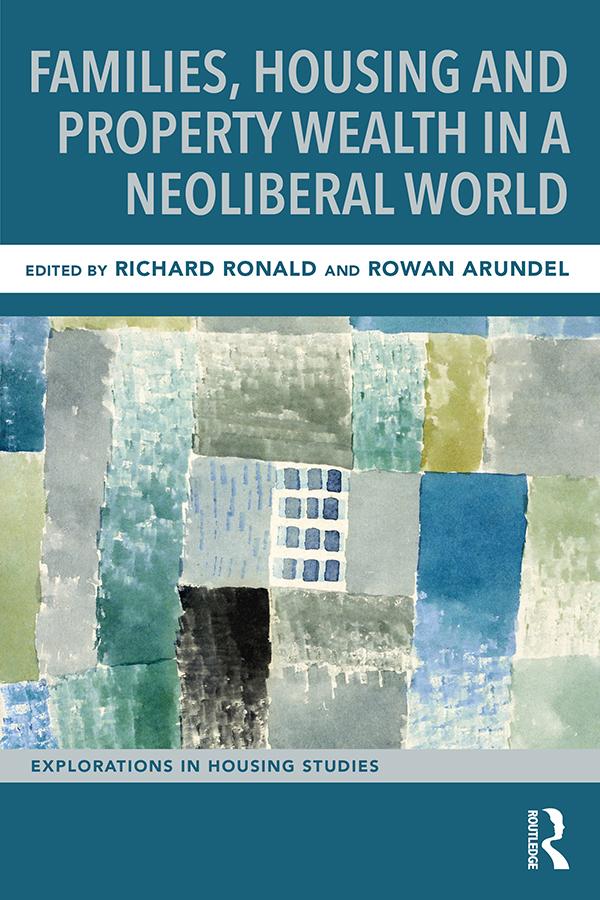
The twenty-first century has so far been characterized by ongoing realignments in the organization of the economy around housing and real estate. Markets have boomed and bust and boomed again with residential property increasingly a focus of wealth accumulation practices. While analyses have largely focussed on global flows of capital and large institutions, families have served as critical actors. Housing properties are family goods that shape how members interact, organise themselves, and deal with the vicissitudes of everyday economic life. Families have, moreover, increasingly mobilized around their homes as assets, aligning household transitions and practices towards the accumulation of property wealth. The capacities of different families to realise this, however, are highly uneven with housing conditions becoming increasingly central to growing inequalities and processes of social stratification. This book addresses changing relationships between families and their homes over the latest period of neo-liberalization. The book confronts how transformations in households, life-course transitions, kinship and intergenerational relations shape, and are being shaped by, the shifting role of property markets in social and economic processes. The chapters explore this in terms of different aspects of home, family life and socioeconomic change across varied national contexts.
Betal enkelt med kort, Klarna, Apple Pay eller Google Pay. Ikke fornøyd? Du har alltid 14 dagers angrerett. Les mer i våre vilkår. Har du spørsmål, send oss en e-post på hello@memmo.org.
Memmo gjør det enklere å studere – uansett hvor du er i verden. Hos oss samler du pensumbøker og smarte studieverktøy på ett og samme sted: sammendrag, quizer, podkaster og flashcards. Og så Ted, din studiekompis som svarer på alt du lurer på. Over 50 000 studenter studerer allerede her – bygget for at du skal lære raskere og stresse mindre.