
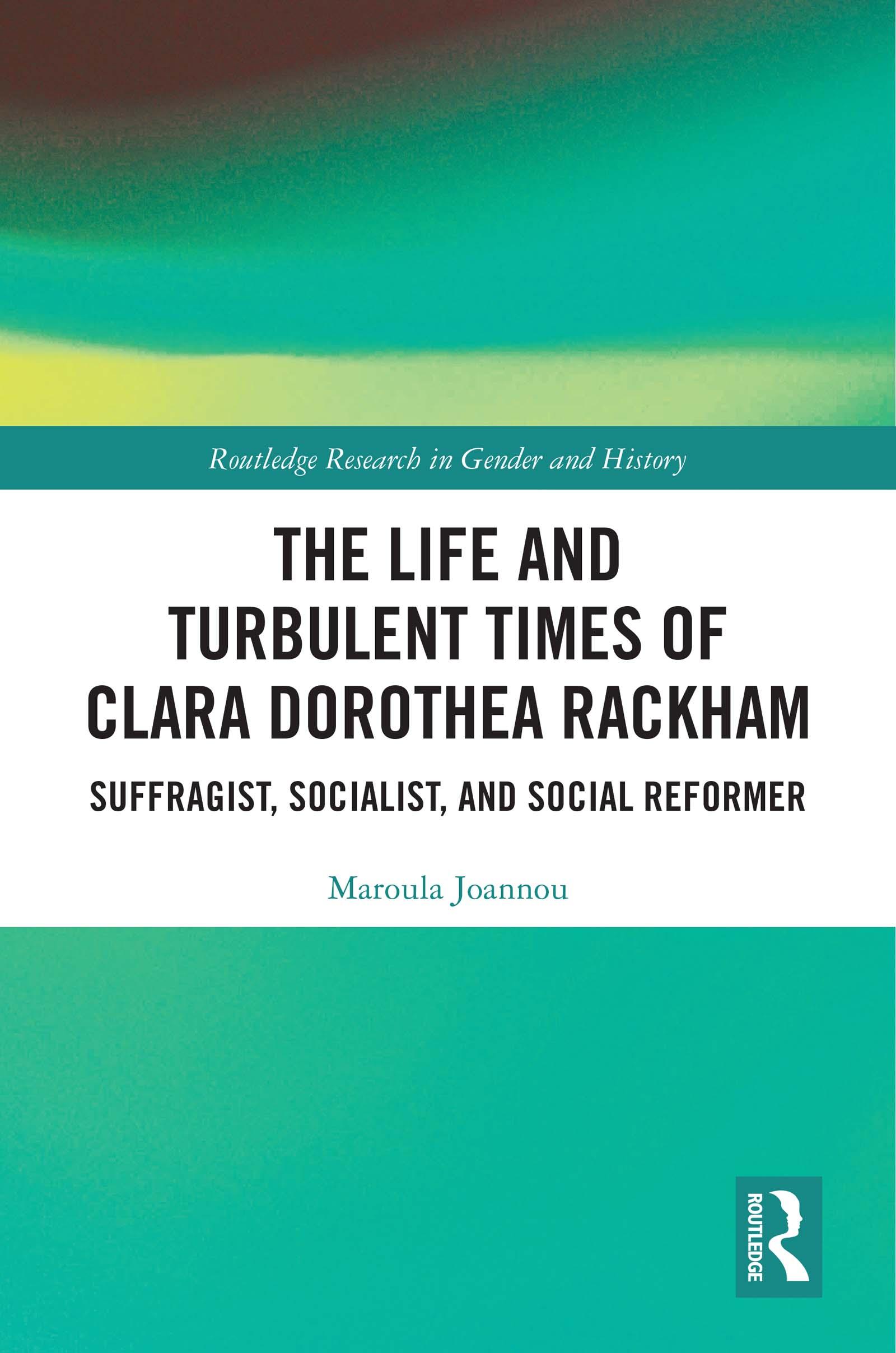
This is the first critical study of Clara Dorothea Rackham née Tabor (1875–1966), a towering figure in the suffrage, labour, co-operative, peace, and adult education movements but virtually forgotten today.
This clearly written and engaging study is based on unpublished primary sources including Rackham’s unpublished speeches, letters, diaries, and contemporary media coverage of her work in local and national archives. It reassesses this remarkable woman not only as a politician who changed the face of Cambridge, the university city in which she lived and worked, but also as a public intellectual whose feminist advocacy of a fair, just, and equal society helped pave the way to Britain’s postwar settlement and Welfare State. Rackham came to prominence as Chairman of the National Union of Women’s Suffrage Societies, as a government factory inspector, and championing the rights of unemployed women in the 1930s. An early broadcaster on BBC radio, and among the first women appointed magistrates and councillors, her name became synonymous with enlightened local government. The transformation of women’s lives in Victorian and twentieth-century Britain is crucial to understanding Rackham’s ideals, intellectual formation, and priorities as a Labour Party politician.
This book will be of interest to historians and students of gender, history, and women’s lives.
Betal enkelt med kort, Klarna, Apple Pay eller Google Pay. Ikke fornøyd? Du har alltid 14 dagers angrerett. Les mer i våre vilkår. Har du spørsmål, send oss en e-post på hello@memmo.org.
Memmo gjør det enklere å studere – uansett hvor du er i verden. Hos oss samler du pensumbøker og smarte studieverktøy på ett og samme sted: sammendrag, quizer, podkaster og flashcards. Og så Ted, din studiekompis som svarer på alt du lurer på. Over 50 000 studenter studerer allerede her – bygget for at du skal lære raskere og stresse mindre.