
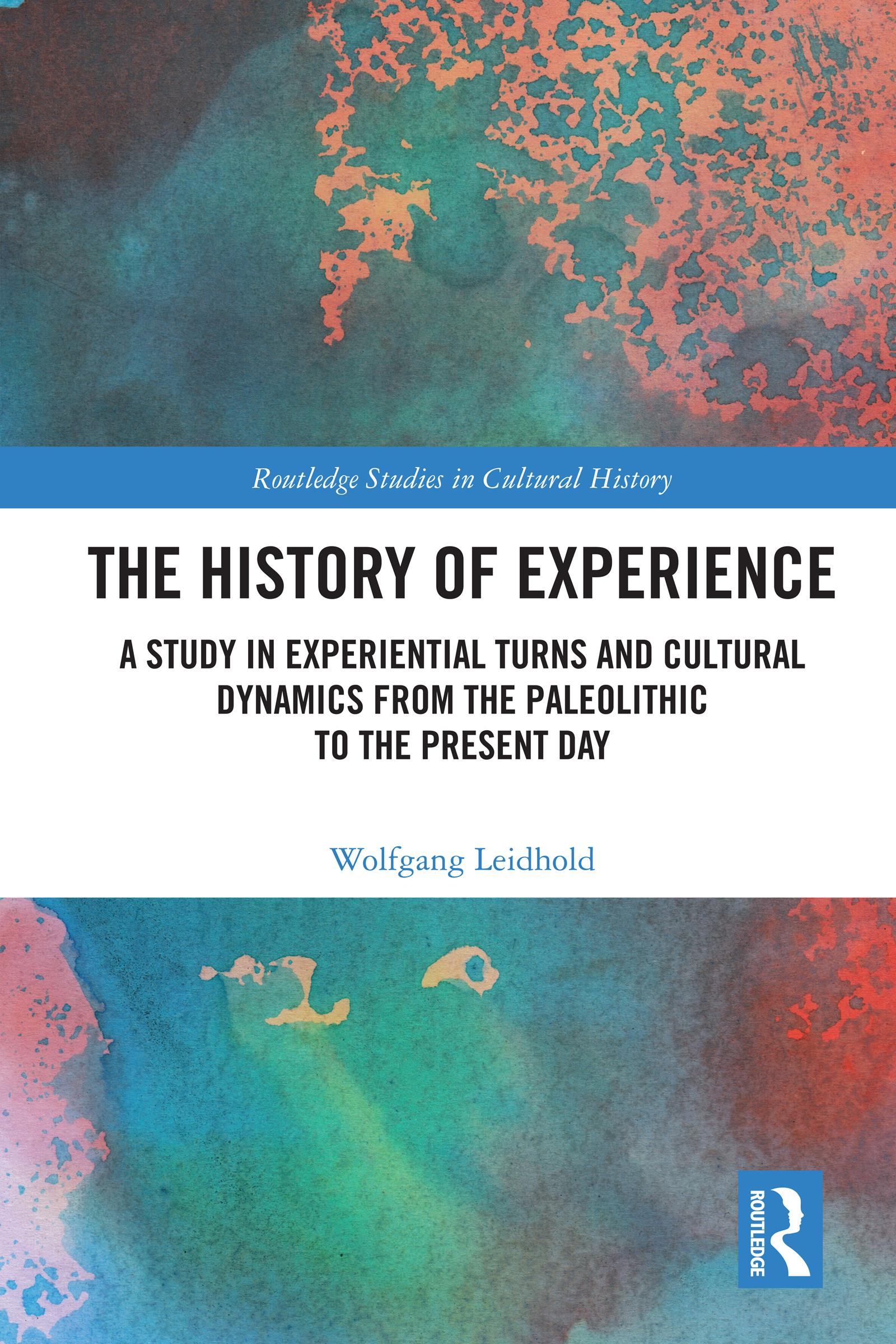
In a wide arc from the Paleolithic to the present day, this book explores the changing structure of human experience and its impact on the dynamics of cultures, civilizations, and political ideas.
The main thesis is a paradigm shift: the structure of human experience is not a universal constant but changes over time. Looking at the entire range of human history, there are a total of nine transformations, beginning with conscious perception and imagination in the Paleolithic and ending, for the time being, in modern times with the discovery of the unconscious. In between, this book explores six more transformations that took place in different regions and at different times, which include a sense of order, self-reflection, the eye of reason, spiritual experience, as well as the experience of creativity and of consciousness. As such, The History of Experience presents both a cross-cultural and comparative theory of experience and cultural dynamics, and an exploration of rich materials from East and West.
This book is of great use to upper-level undergraduates, postgraduates, and scholars interested in the relationship between history, human experience, culture, and political order.
Betal enkelt med kort, Klarna, Apple Pay eller Google Pay. Ikke fornøyd? Du har alltid 14 dagers angrerett. Les mer i våre vilkår. Har du spørsmål, send oss en e-post på hello@memmo.org.
Memmo gjør det enklere å studere – uansett hvor du er i verden. Hos oss samler du pensumbøker og smarte studieverktøy på ett og samme sted: sammendrag, quizer, podkaster og flashcards. Og så Ted, din studiekompis som svarer på alt du lurer på. Over 50 000 studenter studerer allerede her – bygget for at du skal lære raskere og stresse mindre.