
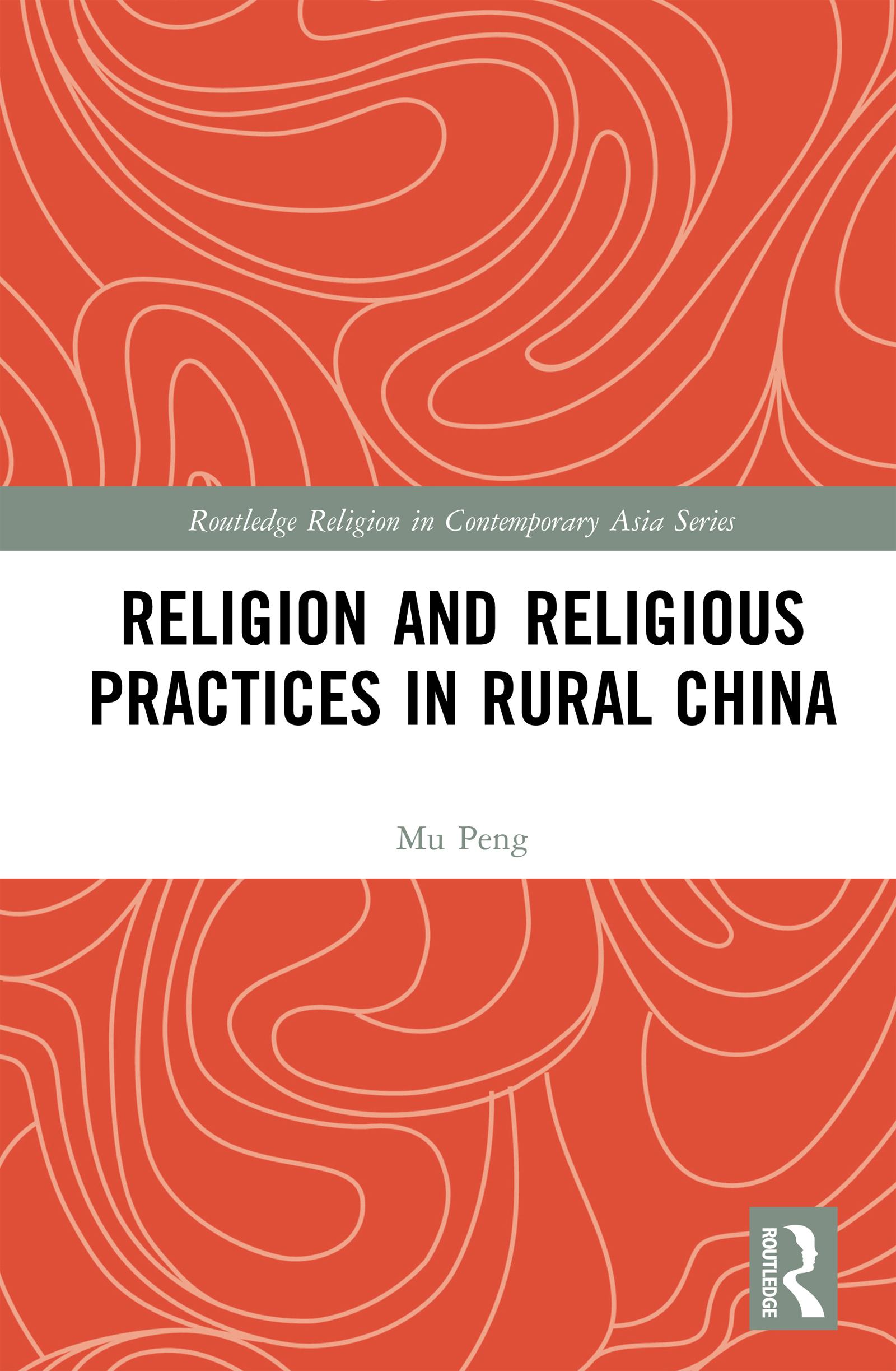
This book explores how, unlike in the West, the daily religious life of most Chinese people spreads without institutional propagation. Based upon more than a decade of field research in rural China, the book demonstrates the decisive role of rites of passage and yearly festival rituals held in every household in shaping people’s religious dispositions. It focuses on the family, the unit most central to Chinese culture and society, and reveals the repertoire embodied in daily life in a world envisioned as comprising both the “yin” world of ancestors, spirits, and ghosts, and the “yang” world of the living. It discusses especially the concept of bai, which refers to both concrete bodily movements that express respect and awe, such as bowing, kneeling, or holding up ritual offerings, and to people’s religious inclinations and dispositions, which indicate that they are aware of a spiritual realm that is separate from yet close to the world of the living. Overall, the book shows that the daily practices of religion are not a separate sphere, but rather belief and ritual integrated into a way of dwelling in a world envisaged as consisting of both the “yin” and the “yang” worlds that regularly communicate with each other.
Betal enkelt med kort, Klarna, Apple Pay eller Google Pay. Ikke fornøyd? Du har alltid 14 dagers angrerett. Les mer i våre vilkår. Har du spørsmål, send oss en e-post på hello@memmo.org.
Memmo gjør det enklere å studere – uansett hvor du er i verden. Hos oss samler du pensumbøker og smarte studieverktøy på ett og samme sted: sammendrag, quizer, podkaster og flashcards. Og så Ted, din studiekompis som svarer på alt du lurer på. Over 50 000 studenter studerer allerede her – bygget for at du skal lære raskere og stresse mindre.