
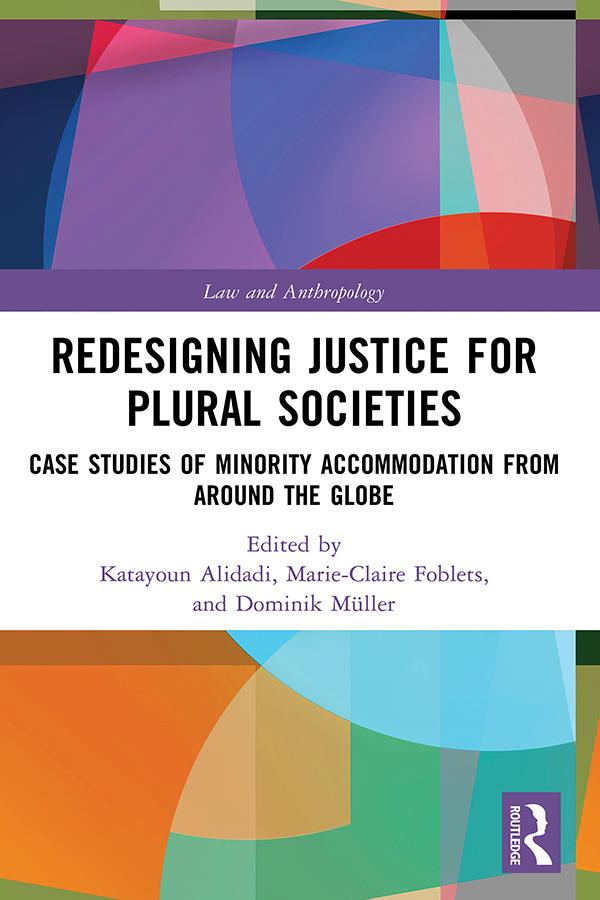
This volume examines cases of accommodation and recognition of minority practices: cultural, religious, ethnic, linguistic or otherwise, under state law. The collection presents selected situations and experiences from a variety of regions and from different legal traditions around the world in which diverse societal stakeholders and political actors have engaged in processes leading to the elaboration of creative, innovative and, to a certain extent, sustainable solutions via accommodative laws or practices. Representing multiple disciplines and methodologies and written by esteemed scholars, the work analyses the pitfalls and successes of such accommodative practices, presenting insights into how solutions could or could not be achieved. The chapters address the sustainability and transferability of such solutions in order to further the dialogue in both scholarly and policy spheres. The book will be essential reading for academics, researchers, and policy-makers in the areas of minority rights, legal anthropology, law and religion, legal philosophy, and law and migration.
Betal enkelt med kort, Klarna, Apple Pay eller Google Pay. Ikke fornøyd? Du har alltid 14 dagers angrerett. Les mer i våre vilkår. Har du spørsmål, send oss en e-post på hello@memmo.org.
Memmo gjør det enklere å studere – uansett hvor du er i verden. Hos oss samler du pensumbøker og smarte studieverktøy på ett og samme sted: sammendrag, quizer, podkaster og flashcards. Og så Ted, din studiekompis som svarer på alt du lurer på. Over 50 000 studenter studerer allerede her – bygget for at du skal lære raskere og stresse mindre.