
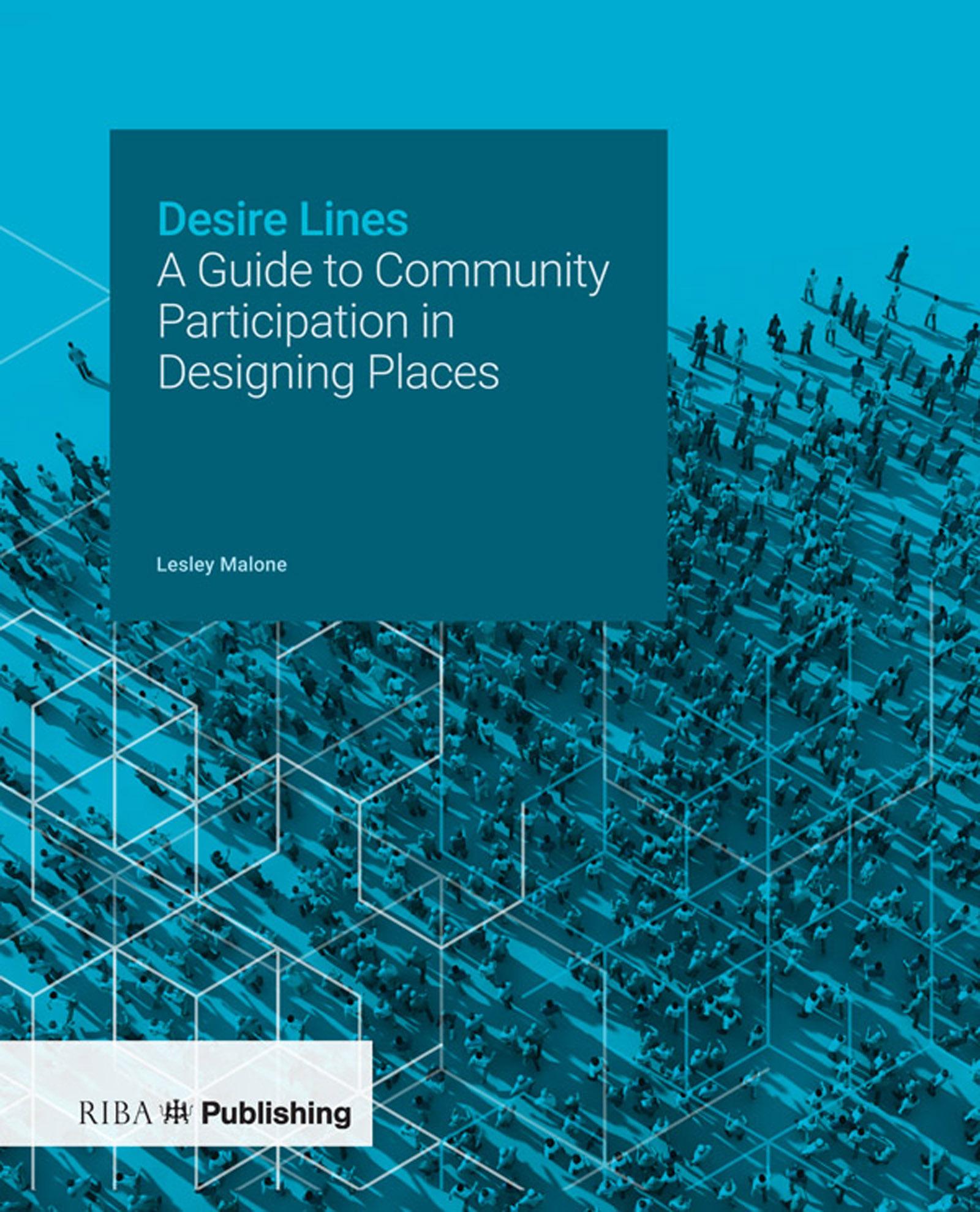
Desire lines are the paths that people create through regular usage. They appear where people repeatedly choose to walk and usually signify a route from A to B that’s quicker than the formal path provided. In most cases they indicate the mismatch between what local people want and what designers think people want. By employing some social research basics in the design development process, placemakers can work more meaningfully with local communities to meet their needs and aspirations.
This is a practical guide to running public consultations, co-design and community engagement to help practitioners make the most of local knowledge and insight for the benefit of design. It offers guidance on managing community participation, and unapologetically aims to encourage designers to start thinking like social researchers when they undertake these programmes.
It’s intended for placemakers - architects, urban designers, landscape architects, and other built environment professionals involved in the planning and design of public realm - who want to develop more people-centred, community-led design approaches.
Betal enkelt med kort, Klarna, Apple Pay eller Google Pay. Ikke fornøyd? Du har alltid 14 dagers angrerett. Les mer i våre vilkår. Har du spørsmål, send oss en e-post på hello@memmo.org.
Memmo gjør det enklere å studere – uansett hvor du er i verden. Hos oss samler du pensumbøker og smarte studieverktøy på ett og samme sted: sammendrag, quizer, podkaster og flashcards. Og så Ted, din studiekompis som svarer på alt du lurer på. Over 50 000 studenter studerer allerede her – bygget for at du skal lære raskere og stresse mindre.