
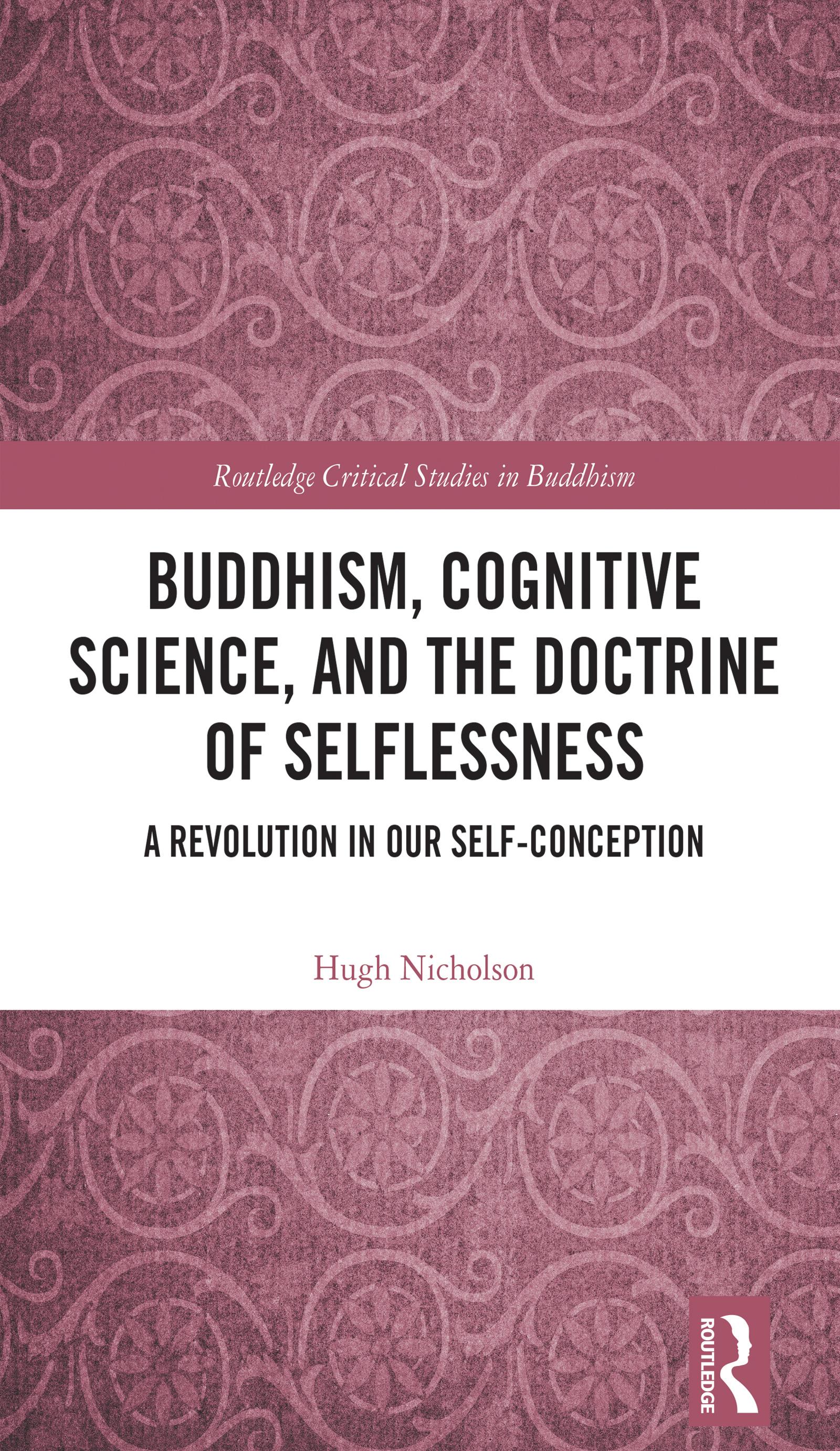
This book examines the relationship between Buddhist philosophy and scientific psychology by focusing on the doctrine of No-self.
The hypothesis is that No-self can function as an instrument of counter-induction, that is, an alternative conceptual scheme that exposes by contrast the intuitive or "folk" theoretical presuppositions sedimented in our perception of ourselves and others. When incorporated into regimens of meditative and ritual practice, the No-self doctrine works to challenge and disrupt our naïve folk psychology. The author argues that there is a fruitful parallel between the No-self doctrine and anti-Cartesian trends in the cognitive sciences. The No-self doctrine was the product of philosophical speculation undertaken in the context of hegemonic struggles with both Buddhist and non-Buddhist rivals, and the classic No-self doctrine, accordingly, is a somewhat schematic and largely accidental anticipation of the current scientific understanding of the mind and consciousness. Nevertheless, inasmuch as it challenges and unsettles the seemingly self-evident certitudes of folk psychology, it prepares the ground for the revolution in our self-conception promised by the emerging cognitive scientific concept of mind.
A novel contribution to the study of Buddhist Philosophy, the book will also be of interest to scholars of Buddhist Studies and Asian Religions.
Betal enkelt med kort, Klarna, Apple Pay eller Google Pay. Ikke fornøyd? Du har alltid 14 dagers angrerett. Les mer i våre vilkår. Har du spørsmål, send oss en e-post på hello@memmo.org.
Memmo gjør det enklere å studere – uansett hvor du er i verden. Hos oss samler du pensumbøker og smarte studieverktøy på ett og samme sted: sammendrag, quizer, podkaster og flashcards. Og så Ted, din studiekompis som svarer på alt du lurer på. Over 50 000 studenter studerer allerede her – bygget for at du skal lære raskere og stresse mindre.