
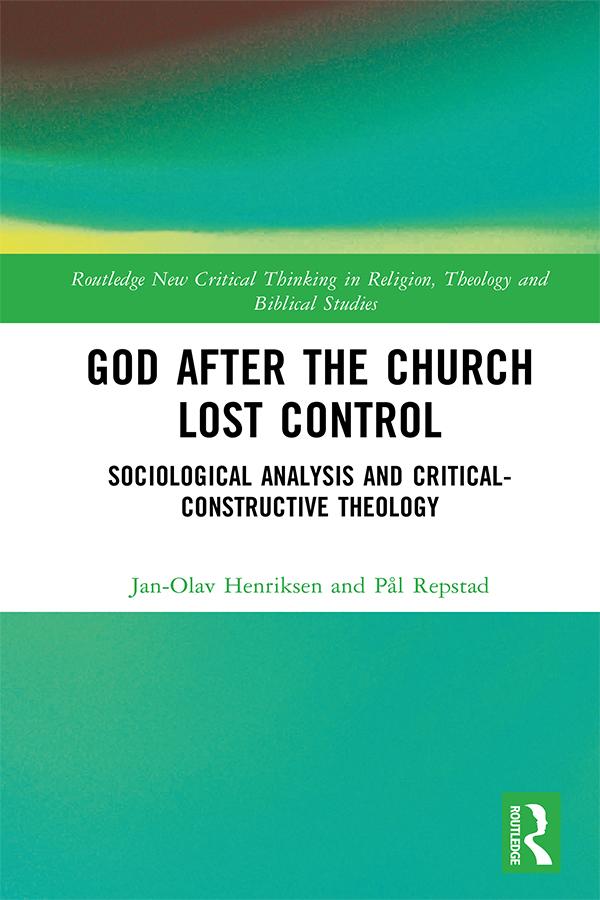
This book combines insights from sociology of religion and theology to consider the fundamental changes that have taken place in how people think about God in contemporary Western society. It can be said that God has become irrelevant for many people, often as a result of well-grounded ethical critique of churches. Here the authors argue for the necessity of rethinking God-talk in a pluralist and changing context and for thinking critically about hegemonic ways of speaking about God from a moral and experiential perspective, not only from the point of view of abstract theology. Drawing on empirical material from a Norwegian setting, the book advocates a critical-constructive theology with a notion of God that takes human experience and social change seriously. It depicts a God who is an enabler of moral maturity rather than an authoritarian moral instructor, a God who is on the side of the marginalized and poor, and a challenge to unjust hierarchies.
Betal enkelt med kort, Klarna, Apple Pay eller Google Pay. Ikke fornøyd? Du har alltid 14 dagers angrerett. Les mer i våre vilkår. Har du spørsmål, send oss en e-post på hello@memmo.org.
Memmo gjør det enklere å studere – uansett hvor du er i verden. Hos oss samler du pensumbøker og smarte studieverktøy på ett og samme sted: sammendrag, quizer, podkaster og flashcards. Og så Ted, din studiekompis som svarer på alt du lurer på. Over 50 000 studenter studerer allerede her – bygget for at du skal lære raskere og stresse mindre.