
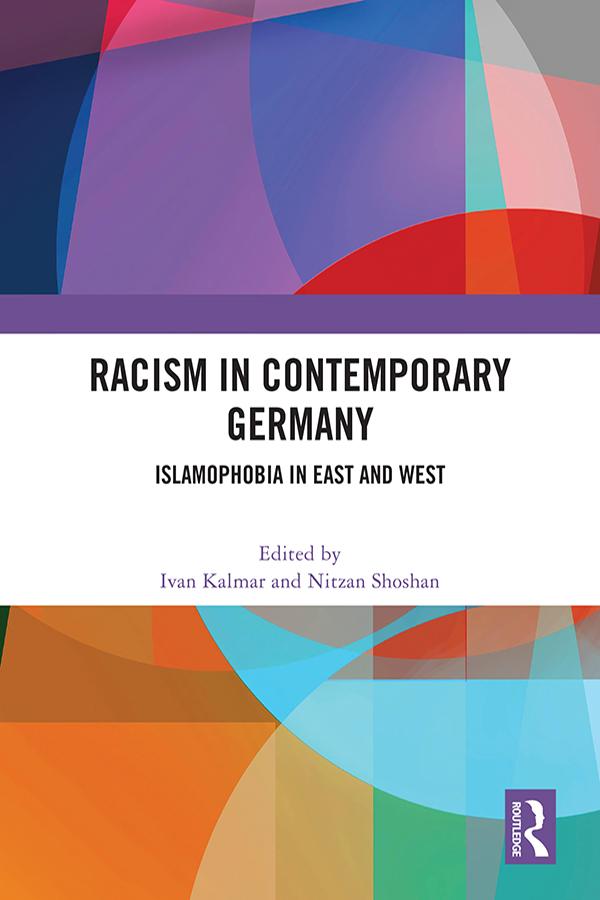
This book presents a critical and empirically informed examination of Islamophobia and related issues of racism and nationalism in Germany today, with particular attention to the East/West distinction. The authors, representing several disciplines such as anthropology, sociology, and media and literary studies, situate the topic in the global and German context of the 2015-16 "migration crisis" and its aftermath, and of the ongoing transformations seen in the postsocialist regions of the European Union.
Since the 2015-16 "refugee crisis," illiberal leaders and parties within Europe have instrumentalized Islamophobia in an attempt to dislodge the traditional political elites. Strikingly, such illiberal movements have been most successful in the formerly socialist areas of the EU. This is mirrored within Germany itself, where political formations with an Islamophobic agenda remain more popular in the East than in the West. This volume examines the reasons for this difference, including not only the ideological heritage of Soviet-dominated socialism but also the effects of western interventions in the formerly socialist areas in and beyond Germany since the end of the Cold War. Some Islamophobic and other hateful tendencies were in fact introduced from, and continue to prosper also, in the West.
The chapters in this book were originally published as a special issue of the Journal of Contemporary European Studies.
Betal enkelt med kort, Klarna, Apple Pay eller Google Pay. Ikke fornøyd? Du har alltid 14 dagers angrerett. Les mer i våre vilkår. Har du spørsmål, send oss en e-post på hello@memmo.org.
Memmo gjør det enklere å studere – uansett hvor du er i verden. Hos oss samler du pensumbøker og smarte studieverktøy på ett og samme sted: sammendrag, quizer, podkaster og flashcards. Og så Ted, din studiekompis som svarer på alt du lurer på. Over 50 000 studenter studerer allerede her – bygget for at du skal lære raskere og stresse mindre.