
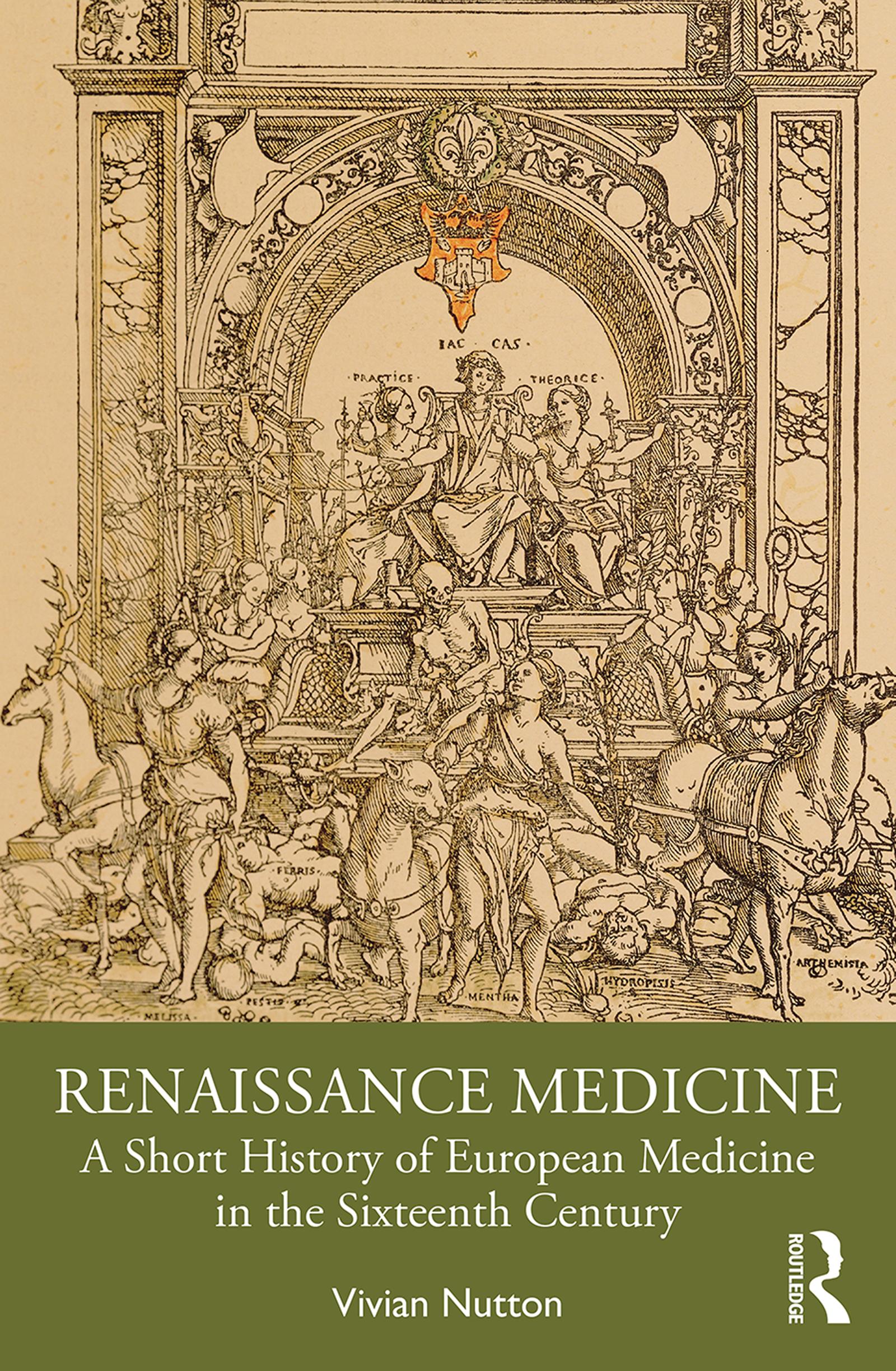
This volume offers a comprehensive historical survey of medicine in sixteenth-century Europe and examines both medical theories and practices within their intellectual and social context.
Nutton investigates the changes brought about in medicine by the opening-up of the European world to new drugs and new diseases, such as syphilis and the Sweat, and by the development of printing and more efficient means of communication. Chapters examine how civic institutions such as Health Boards, hospitals, town doctors and healers became more significant in the fight against epidemic disease, and special attention is given to the role of women and domestic medicine. The final section, on beliefs, explores the revised Galenism of academic medicine, including a new emphasis on anatomy and its most vocal antagonists, Paracelsians. The volume concludes by considering the effect of religious changes on medicine, including the marginalisation, and often expulsion, of non-Christian practitioners.
Based on a wide reading of primary sources from literature and art across Europe, Renaissance Medicine is an invaluable resource for students and scholars of the history of medicine and disease in the sixteenth century.
Betal enkelt med kort, Klarna, Apple Pay eller Google Pay. Ikke fornøyd? Du har alltid 14 dagers angrerett. Les mer i våre vilkår. Har du spørsmål, send oss en e-post på hello@memmo.org.
Memmo gjør det enklere å studere – uansett hvor du er i verden. Hos oss samler du pensumbøker og smarte studieverktøy på ett og samme sted: sammendrag, quizer, podkaster og flashcards. Og så Ted, din studiekompis som svarer på alt du lurer på. Over 50 000 studenter studerer allerede her – bygget for at du skal lære raskere og stresse mindre.