
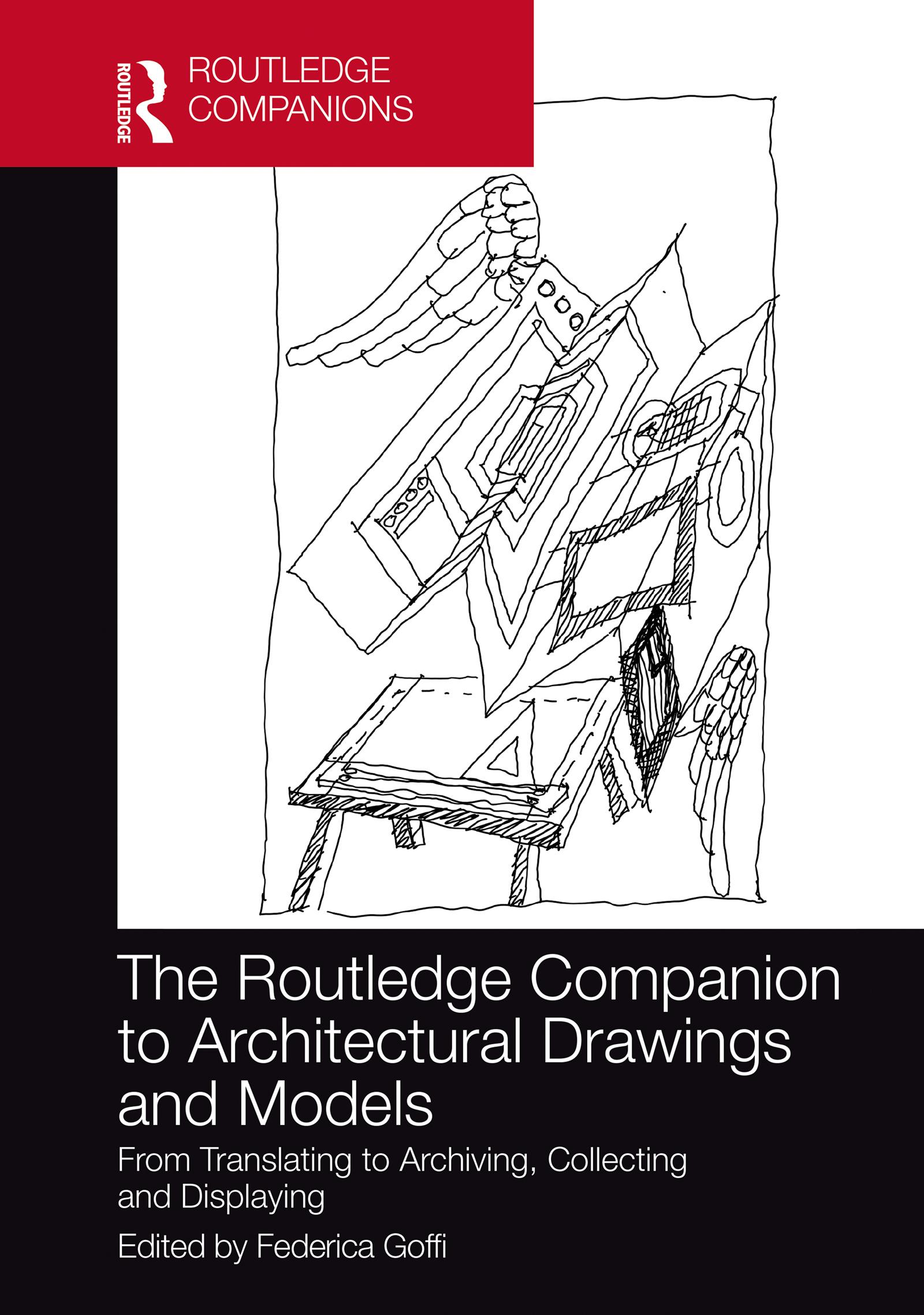
Architectural drawings and models are instruments of imagination, communication, and historical continuity. The role of drawings and models, and their ownership, placement, and authorship in a ubiquitous digital age deserve careful consideration. Expanding on the well-established discussion of the translation from drawings to buildings, this book fills a lacuna in current scholarship, questioning the significance of the lives of drawings and models after construction.
Including emerging, well-known, and world-renowned scholars in the fields of architectural history and theory and curatorial practices, the thirty-five contributions define recent research in four key areas:
- drawing sites/sites of knowledge construction: drawing, office, construction site;
- the afterlife of drawings and models: archiving, collecting, displaying, and exhibiting;
- tools of making: architectural representations and their apparatus over time; and
- the ethical responsibilities of collecting and archiving: authorship, ownership, copyrights, and rights to copy.
The research covers a wide range of geographies and delves into the practices of such architects as Sir John Soane, Superstudio, Eugène-Emmanuel Viollet-le-Duc, Frank Lloyd Wright, Wajiro Kon, Germán Samper Gnecco, A+PS, Mies van der Rohe, and Renzo Piano.
Betal enkelt med kort, Klarna, Apple Pay eller Google Pay. Ikke fornøyd? Du har alltid 14 dagers angrerett. Les mer i våre vilkår. Har du spørsmål, send oss en e-post på hello@memmo.org.
Memmo gjør det enklere å studere – uansett hvor du er i verden. Hos oss samler du pensumbøker og smarte studieverktøy på ett og samme sted: sammendrag, quizer, podkaster og flashcards. Og så Ted, din studiekompis som svarer på alt du lurer på. Over 50 000 studenter studerer allerede her – bygget for at du skal lære raskere og stresse mindre.