
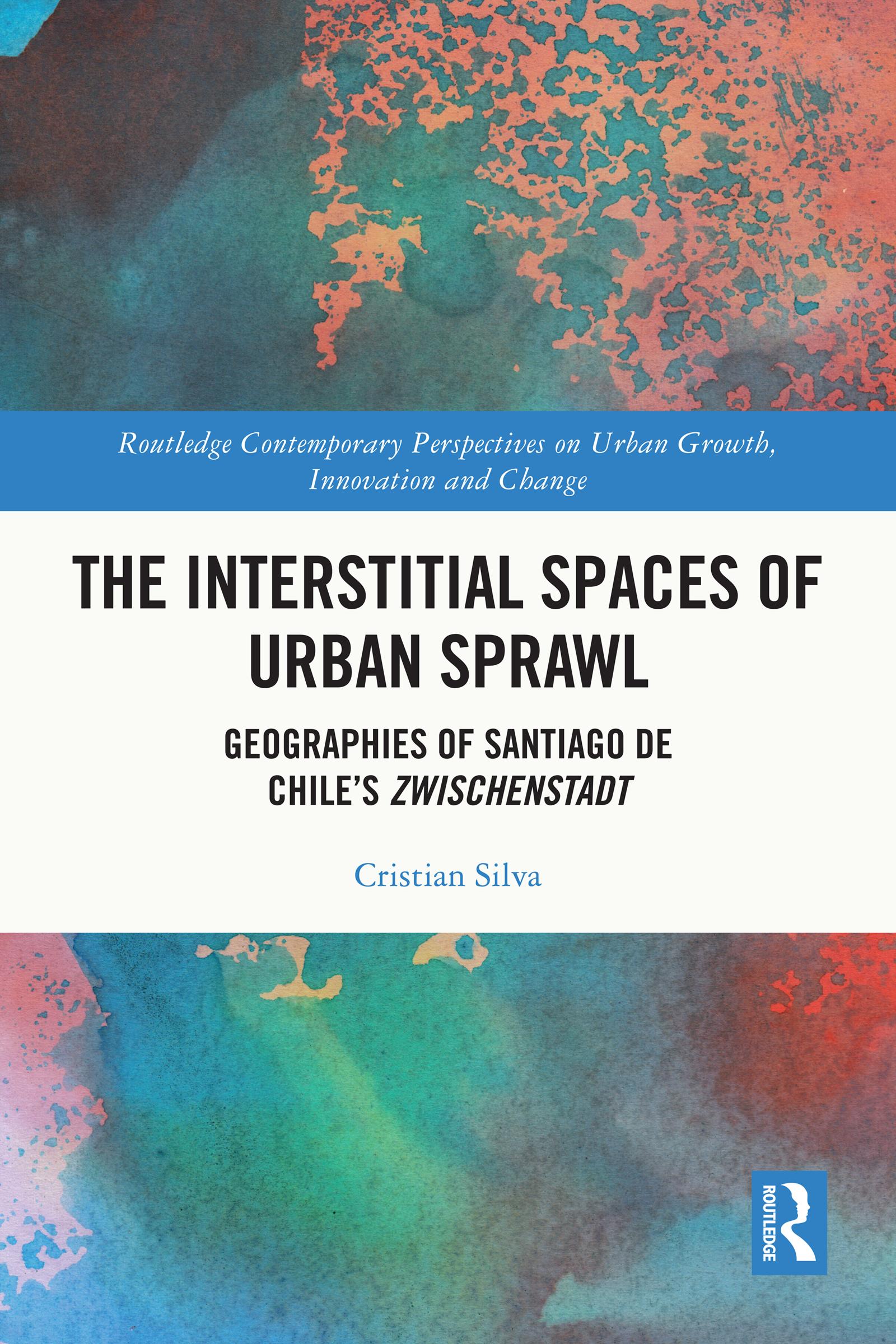
This book proposes the idea of interstitial space as a theoretical framework to describe and understand the implications of in-between lands in urban studies and their profound transformative effects in cities and their urban character.
The analysis of the interstitial spaces is structured into four themes: the conceptual grounds of interstitial spaces; the nature of interstices; the geographical scale of interstices; and the relationality of interstices. The empirical section of the book introduces seven cases that illustrate the varied nature of interstitiality to finally discuss its implications in the broader field of urban studies. Reflections upon further lines of enquiry and theories of urbanisation, urban sprawl, and cities are highlighted in the conclusion chapter.
This is the ideal text for scholars of urban planning, strategic spatial planning, landscape planning, urban design, architecture, and other cognate disciplines as well as advanced students in these fields.
Betal enkelt med kort, Klarna, Apple Pay eller Google Pay. Ikke fornøyd? Du har alltid 14 dagers angrerett. Les mer i våre vilkår. Har du spørsmål, send oss en e-post på hello@memmo.org.
Memmo gjør det enklere å studere – uansett hvor du er i verden. Hos oss samler du pensumbøker og smarte studieverktøy på ett og samme sted: sammendrag, quizer, podkaster og flashcards. Og så Ted, din studiekompis som svarer på alt du lurer på. Over 50 000 studenter studerer allerede her – bygget for at du skal lære raskere og stresse mindre.