
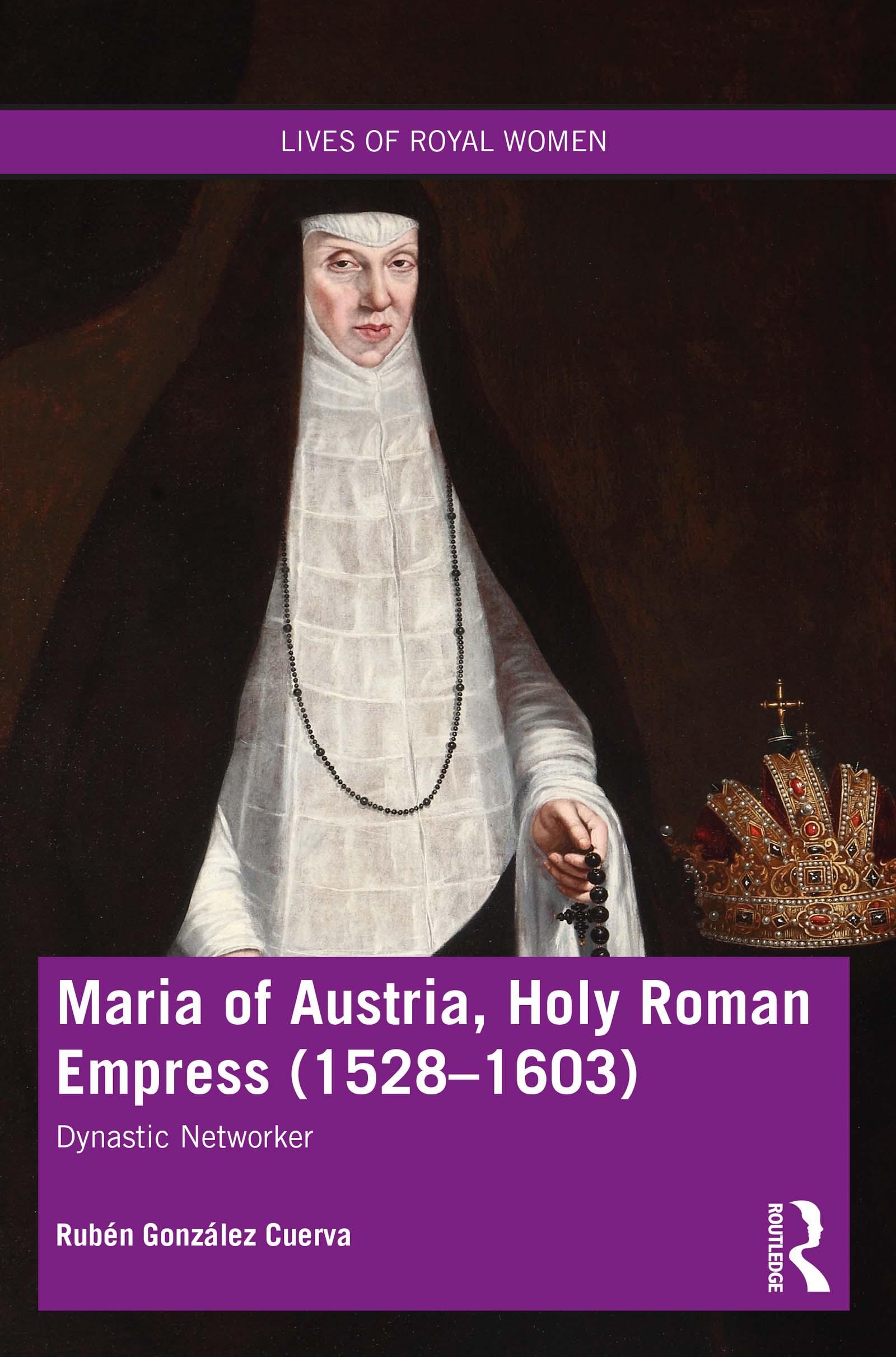
Maria of Austria was one of the longest surviving Renaissance Empresses but until now has received little attention by biographers. This book explores her life, actions, and management of domestic affairs, which became a feared example of how an Empress could control alternative spheres of power.
The volume traces the path of a Castilian orphan infanta, raised among her mother’s Portuguese ladies-in-waiting and who spent thirty years of marriage between the imperial courts of Prague and Vienna. Empress Maria encapsulates the complex dynastic functioning of the Habsburgs: devotedly married to her cousin Maximilian II, Maria had constant communication with her father Charles V and her brother Philip II while preserving her Spanish background. Her unique intertwining of roles and positions allows a fresh approach to female agency and the discussion of current issues: the rules of dynastic entente, the negotiation of discreet political roles for royal women, the reassessment of informal diplomacy, and the creation of dynastic networks parallel to the embassies.
With chronological chapters discussing Empress Maria’s roles such as infanta, regent, Empress, and a widow, this volume is the perfect resource for scholars and students interested in the history of gender, court culture, and early modern Central Europe.
Betal enkelt med kort, Klarna, Apple Pay eller Google Pay. Ikke fornøyd? Du har alltid 14 dagers angrerett. Les mer i våre vilkår. Har du spørsmål, send oss en e-post på hello@memmo.org.
Memmo gjør det enklere å studere – uansett hvor du er i verden. Hos oss samler du pensumbøker og smarte studieverktøy på ett og samme sted: sammendrag, quizer, podkaster og flashcards. Og så Ted, din studiekompis som svarer på alt du lurer på. Over 50 000 studenter studerer allerede her – bygget for at du skal lære raskere og stresse mindre.