
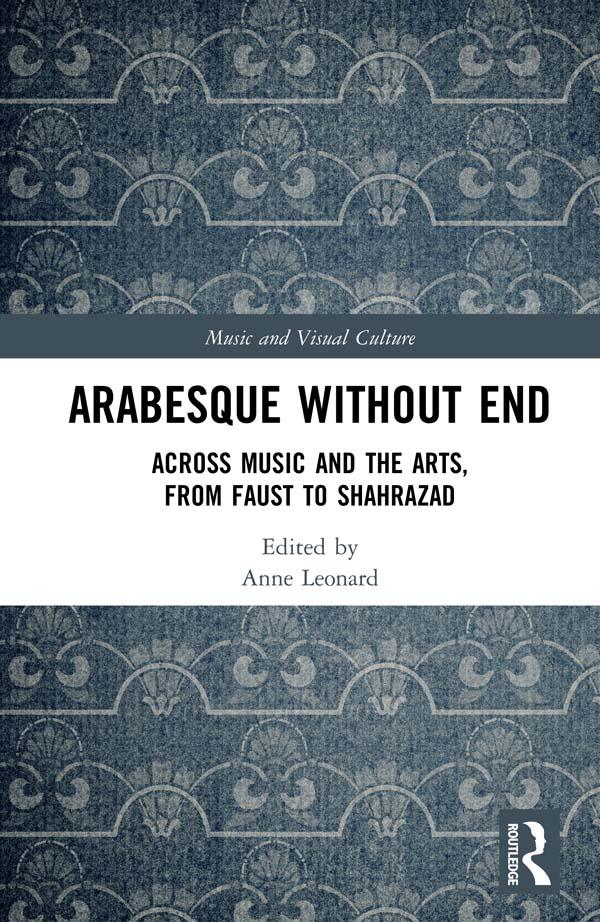
Featuring multidisciplinary research by an international team of leading scholars, this volume addresses the contested aspects of arabesque while exploring its penchant for crossing artistic and cultural boundaries to create new forms. Enthusiastically imported from its Near Eastern sources by European artists, the freely flowing line known as arabesque is a recognizable motif across the arts of painting, music, dance, and literature. From the German Romantics to the Art Nouveau artists, and from Debussy’s compositions to the serpentine choreographies of Loïe Fuller, the chapters in this volume bring together cross-disciplinary perspectives to understand the arabesque across both art historical and musicological discourses.
Betal enkelt med kort, Klarna, Apple Pay eller Google Pay. Ikke fornøyd? Du har alltid 14 dagers angrerett. Les mer i våre vilkår. Har du spørsmål, send oss en e-post på hello@memmo.org.
Memmo gjør det enklere å studere – uansett hvor du er i verden. Hos oss samler du pensumbøker og smarte studieverktøy på ett og samme sted: sammendrag, quizer, podkaster og flashcards. Og så Ted, din studiekompis som svarer på alt du lurer på. Over 50 000 studenter studerer allerede her – bygget for at du skal lære raskere og stresse mindre.