
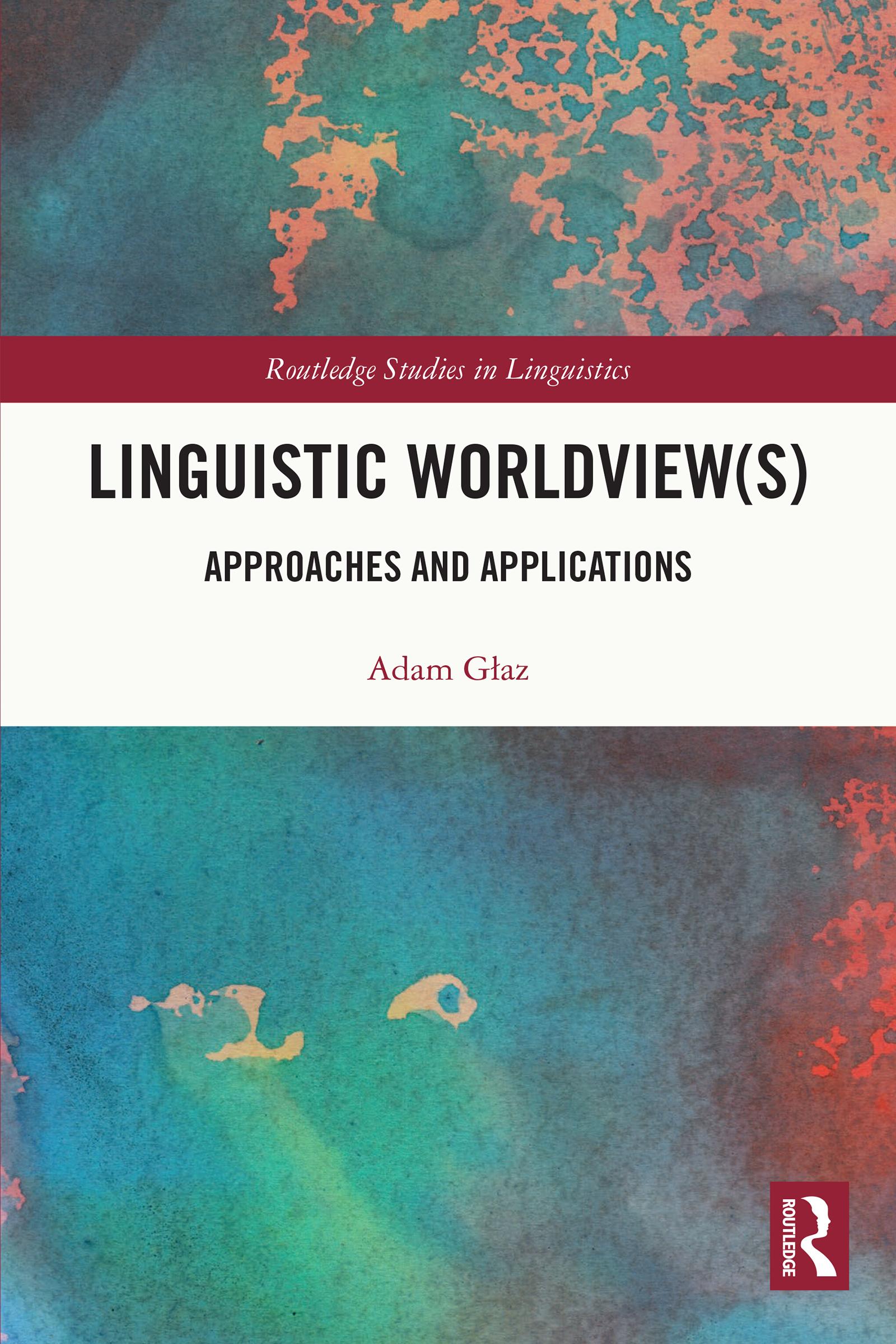
This book explores the concept of linguistic worldview, which is underpinned by the underlying idea that languages, in their lexicogrammatical structures and patterns of usage, encode interpretations of reality that symbolize, shape, and construct speakers’ cultural experience.
The volume traces the development of the linguistic worldview conception from its origins in ancient Greece to 20th-century linguistic relativity, Western ethnosemantics, parallel movements in eastern Europe, and contemporary inquiry into languacultures. It outlines the important theoretical issues, surveys the major approaches, and identifies areas of both convergence and discrepancy between them. By proposing three sample analyses, the book highlights the relevant questions addressed in different but compatible models, as well as identifies possible avenues of their further development. Finally, it considers several domains of potential interest to the linguistic worldview agenda. Because inquiry into linguistic worldviews concerns the sphere of the symbolic and the cultural, it touches upon the very essence of human lives.
This book will be of interest to scholars working in cultural linguistics, ethnolinguistics, linguistic anthropology, comparative semantics, and translation studies.
Betal enkelt med kort, Klarna, Apple Pay eller Google Pay. Ikke fornøyd? Du har alltid 14 dagers angrerett. Les mer i våre vilkår. Har du spørsmål, send oss en e-post på hello@memmo.org.
Memmo gjør det enklere å studere – uansett hvor du er i verden. Hos oss samler du pensumbøker og smarte studieverktøy på ett og samme sted: sammendrag, quizer, podkaster og flashcards. Og så Ted, din studiekompis som svarer på alt du lurer på. Over 50 000 studenter studerer allerede her – bygget for at du skal lære raskere og stresse mindre.