
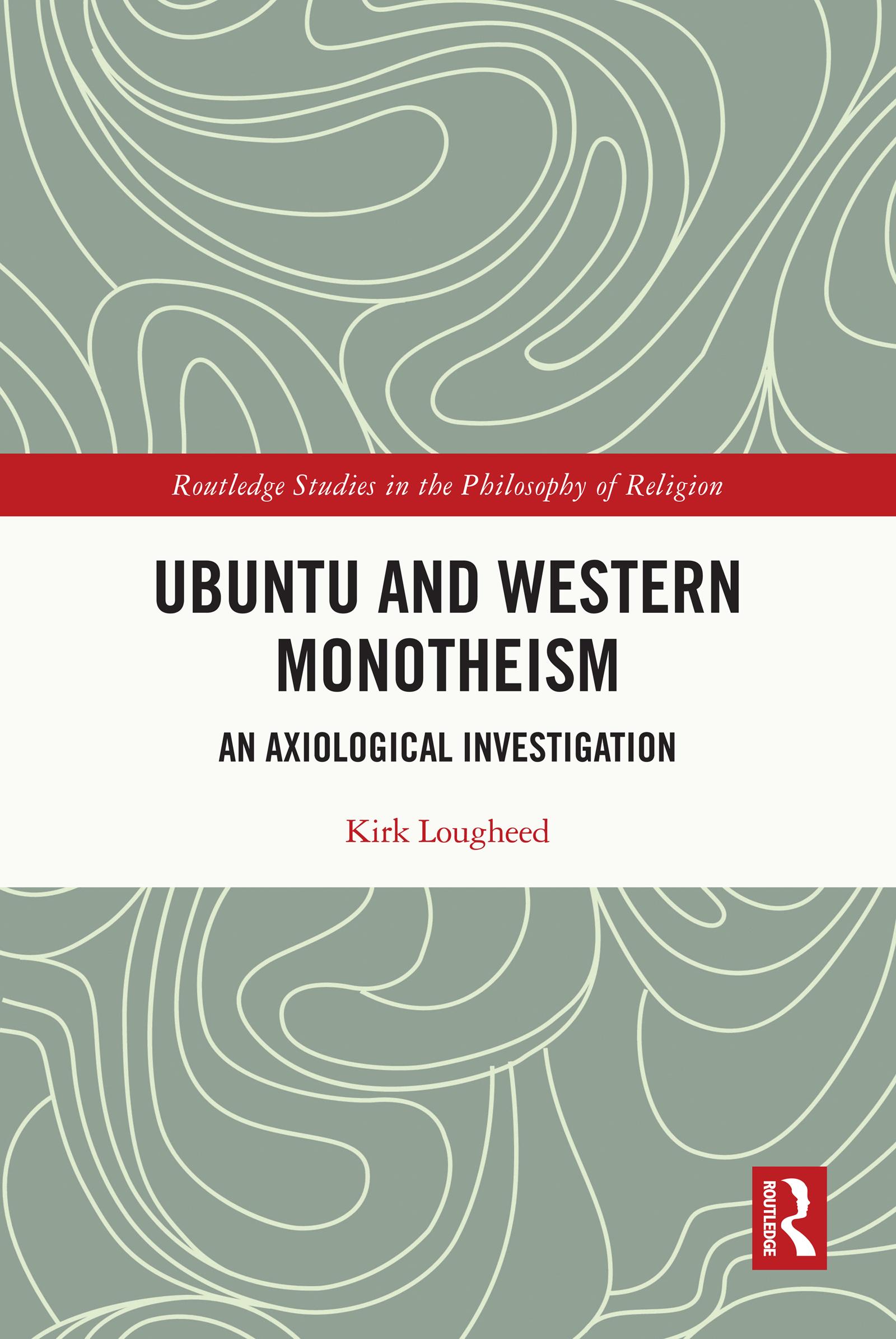
This book offers a unique comparative study of ubuntu, a dominant ethical theory in African philosophy, and western monotheism. It is the first book to bring ubuntu to bear on the axiology of theism debate in contemporary analytic philosophy of religion.
A large motivating force behind this book is to explore the extent to which there is intersubjective ethical agreement and disagreement between ubuntu and Western worldviews like monotheism and naturalism. First, the author assesses the various arguments for anti-theism and pro-theism on the assumption that ubuntu is true. Ubuntu’s communitarian focus might be so different from the Western tradition that it completely changes how we evaluate theism and atheism. Second, the author assesses the advantages and disadvantages of the truth of ubuntu for the world. Third and finally, he assesses the axiological status of faith for both monotheism and ubuntu.
Ubuntu and Western Monotheism will be of interest to scholars and advanced students specializing in philosophy of religion, African religion and philosophy, and religious ethics.
Betal enkelt med kort, Klarna, Apple Pay eller Google Pay. Ikke fornøyd? Du har alltid 14 dagers angrerett. Les mer i våre vilkår. Har du spørsmål, send oss en e-post på hello@memmo.org.
Memmo gjør det enklere å studere – uansett hvor du er i verden. Hos oss samler du pensumbøker og smarte studieverktøy på ett og samme sted: sammendrag, quizer, podkaster og flashcards. Og så Ted, din studiekompis som svarer på alt du lurer på. Over 50 000 studenter studerer allerede her – bygget for at du skal lære raskere og stresse mindre.