
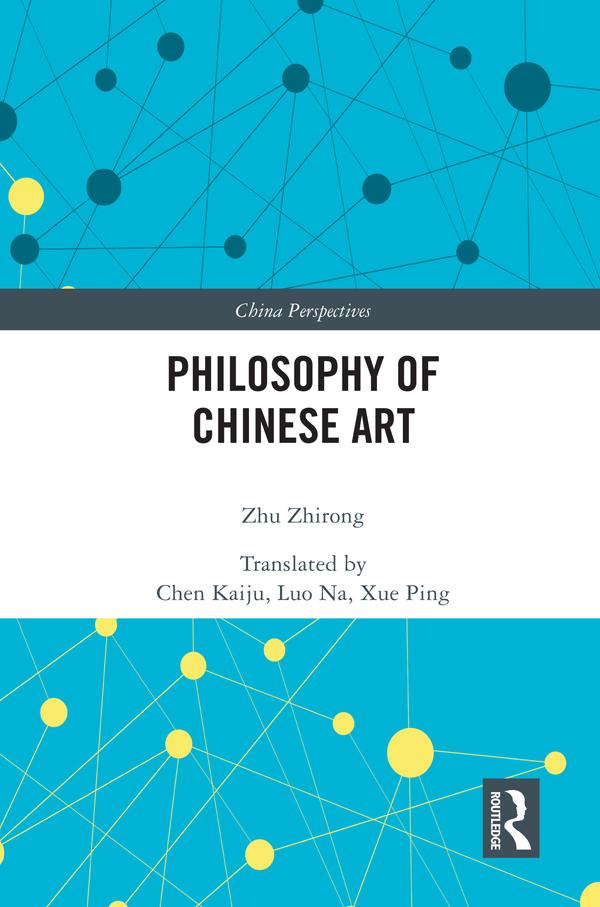
This title provides a systematic examination of the philosophy of Chinese art, exploring the peculiarity of artistic forms and distinctive conceptions and artistic principles of Chinese art which are grounded in the life awareness of the ancient Chinese and interconnect with the Chinese philosophy of life.
Synthesizing Chinese theories of art with Western philosophical systems, the book is organized into five parts: (1) the subject, the actor who creates, appreciates, and criticizes artistic works; (2) ontological aspects, that is, the artwork per se and the dynamic process of creation; (3) aesthetic traits, the organic whole constituted by rhythm, meter, the principle of harmony, and space-time awareness; (4) artistic representation, which is manifested in the rhythm of vital energy, momentum of genre, vigour of style, and taste and inclination; and (5) the evolution of Chinese art. Based on this structural thread, the author looks into the interwoven relationship between the philosophy of Chinese art and ancient Chinese thought in terms of the spirit of life, nature–human relations, and ontological awareness of human-centredness.
The book will appeal to scholars, students, and general readers interested in aesthetics, art theory, art philosophy, Chinese art, and ancient Chinese culture.
Betal enkelt med kort, Klarna, Apple Pay eller Google Pay. Ikke fornøyd? Du har alltid 14 dagers angrerett. Les mer i våre vilkår. Har du spørsmål, send oss en e-post på hello@memmo.org.
Memmo gjør det enklere å studere – uansett hvor du er i verden. Hos oss samler du pensumbøker og smarte studieverktøy på ett og samme sted: sammendrag, quizer, podkaster og flashcards. Og så Ted, din studiekompis som svarer på alt du lurer på. Over 50 000 studenter studerer allerede her – bygget for at du skal lære raskere og stresse mindre.