
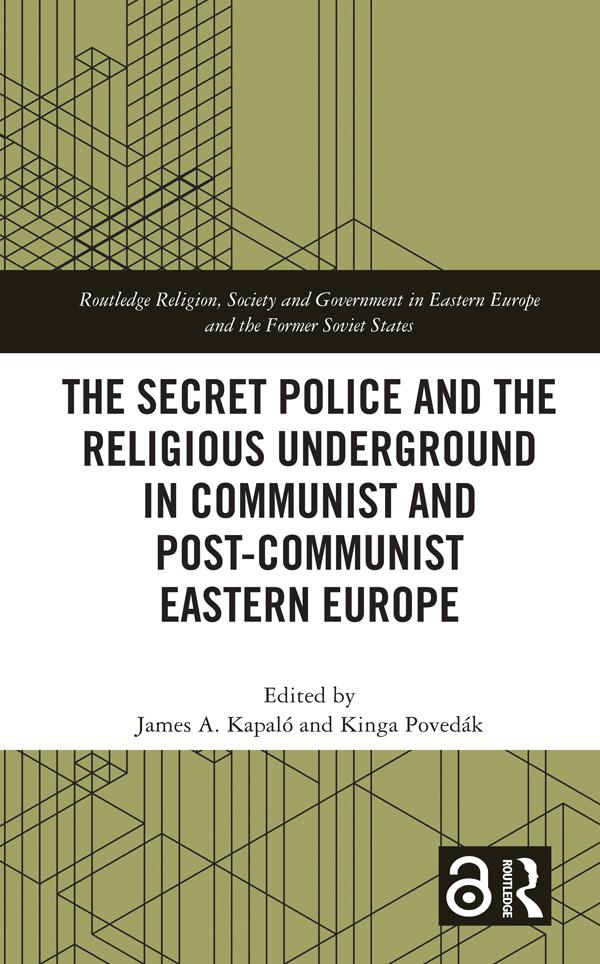
This book addresses the complex intersection of secret police operations and the formation of the religious underground in communist-era Eastern Europe. It discusses how religious groups were perceived as dangerous to the totalitarian state whilst also being extremely vulnerable and yet at the same time very resourceful. It explores how this particular dynamic created the concept of the "religious underground" and produced an extremely rich secret police archival record. In a series of studies from across the region, the book explores the historical and legal context of secret police entanglement with religious groups, presents case studies on particular anti-religious operations and groups, offers methodological approaches to the secret police materials for the study of religions, and engages in contemporary ethical and political debates on the legacy and meaning of the archives in post-communism.
Betal enkelt med kort, Klarna, Apple Pay eller Google Pay. Ikke fornøyd? Du har alltid 14 dagers angrerett. Les mer i våre vilkår. Har du spørsmål, send oss en e-post på hello@memmo.org.
Memmo gjør det enklere å studere – uansett hvor du er i verden. Hos oss samler du pensumbøker og smarte studieverktøy på ett og samme sted: sammendrag, quizer, podkaster og flashcards. Og så Ted, din studiekompis som svarer på alt du lurer på. Over 50 000 studenter studerer allerede her – bygget for at du skal lære raskere og stresse mindre.