
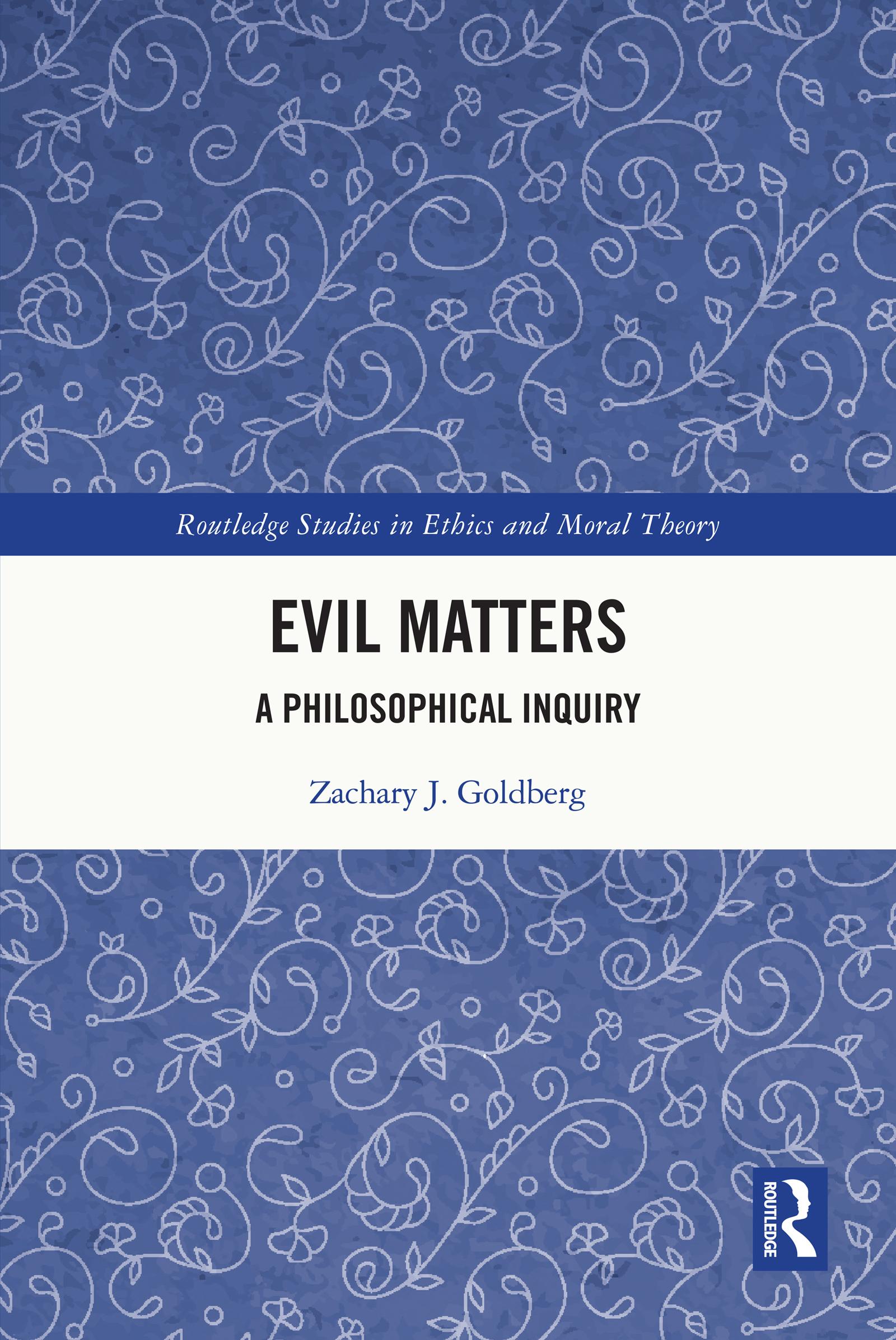
This book is an inquiry into particular matters concerning the nature, normativity, and aftermath of evil action. It combines philosophical conceptual analysis with empirical studies in psychology and discussions of historical events to provide an innovative analysis of evil action.
The book considers unresolved questions belonging to metaethical, normative, and practical characteristics of evil action. It begins by asking whether Kant’s historical account of evil is still relevant for contemporary thinkers. Then it addresses features of evil action that distinguish it from mundane wrongdoing, thereby placing it as a proper category of philosophical inquiry. Next, the author inquires into how evil acts affect moral relationships and challenge Strawsonian accounts of moral responsibility. He then draws conceptual and empirical connections between evil acts such as genocide, torture, and slavery and collective agency, and asks why evil acts are often collective acts. Finally, the author questions both the possibility and propriety of forgiveness and vengeance in the aftermath of evil and discusses how individuals ought to cope with the pervasiveness of evil in human interaction.
Evil Matters: A Philosophical Inquiry will be of interest to advanced students and researchers in philosophy working on the concept of evil, moral responsibility, collective agency, vengeance, and forgiveness.
Betal enkelt med kort, Klarna, Apple Pay eller Google Pay. Ikke fornøyd? Du har alltid 14 dagers angrerett. Les mer i våre vilkår. Har du spørsmål, send oss en e-post på hello@memmo.org.
Memmo gjør det enklere å studere – uansett hvor du er i verden. Hos oss samler du pensumbøker og smarte studieverktøy på ett og samme sted: sammendrag, quizer, podkaster og flashcards. Og så Ted, din studiekompis som svarer på alt du lurer på. Over 50 000 studenter studerer allerede her – bygget for at du skal lære raskere og stresse mindre.