
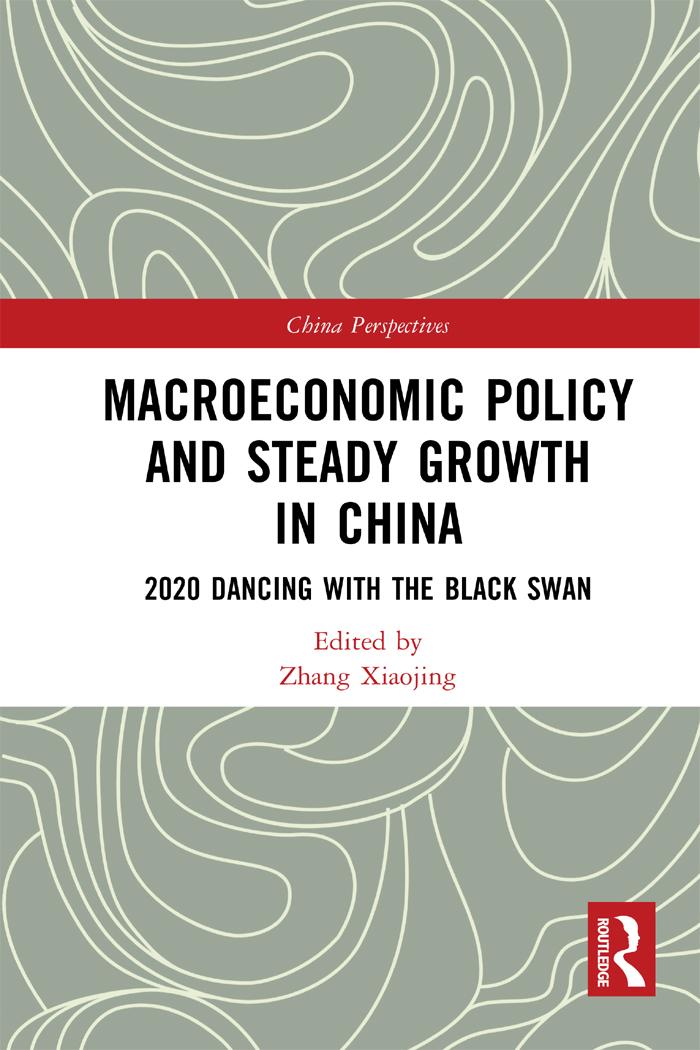
Since the appearance of macroeconomics in the 1940s, economists have created many theoretical frameworks to explain the origin and mechanism of economic fluctuations. However, few of these have managed to gain explanatory power over reality; nor can they solve real-life problems. This book proposes a new macroeconomic paradigm that makes breakthroughs in these areas.
Based on a balance sheet approach and macro-financial linkage analysis, this book carries out a comprehensive analysis of the trends within China’s macroeconomy in 2020. The author argues that the COVID-19 pandemic created a great degree of uncertainty—therefore, supply-side structural reform and improved total factor productivity have been promoted to ensure a policy of steady growth. Given the declining economic growth rate in percentage terms, China has needed to adapt to a moderate increase in the leverage ratio while applying more effective fiscal policies to achieve a dynamic balance between stable growth and risk prevention.
Scholars and students of economics and finance, especially Chinese economics, will find this book a useful reference.
Betal enkelt med kort, Klarna, Apple Pay eller Google Pay. Ikke fornøyd? Du har alltid 14 dagers angrerett. Les mer i våre vilkår. Har du spørsmål, send oss en e-post på hello@memmo.org.
Memmo gjør det enklere å studere – uansett hvor du er i verden. Hos oss samler du pensumbøker og smarte studieverktøy på ett og samme sted: sammendrag, quizer, podkaster og flashcards. Og så Ted, din studiekompis som svarer på alt du lurer på. Over 50 000 studenter studerer allerede her – bygget for at du skal lære raskere og stresse mindre.