
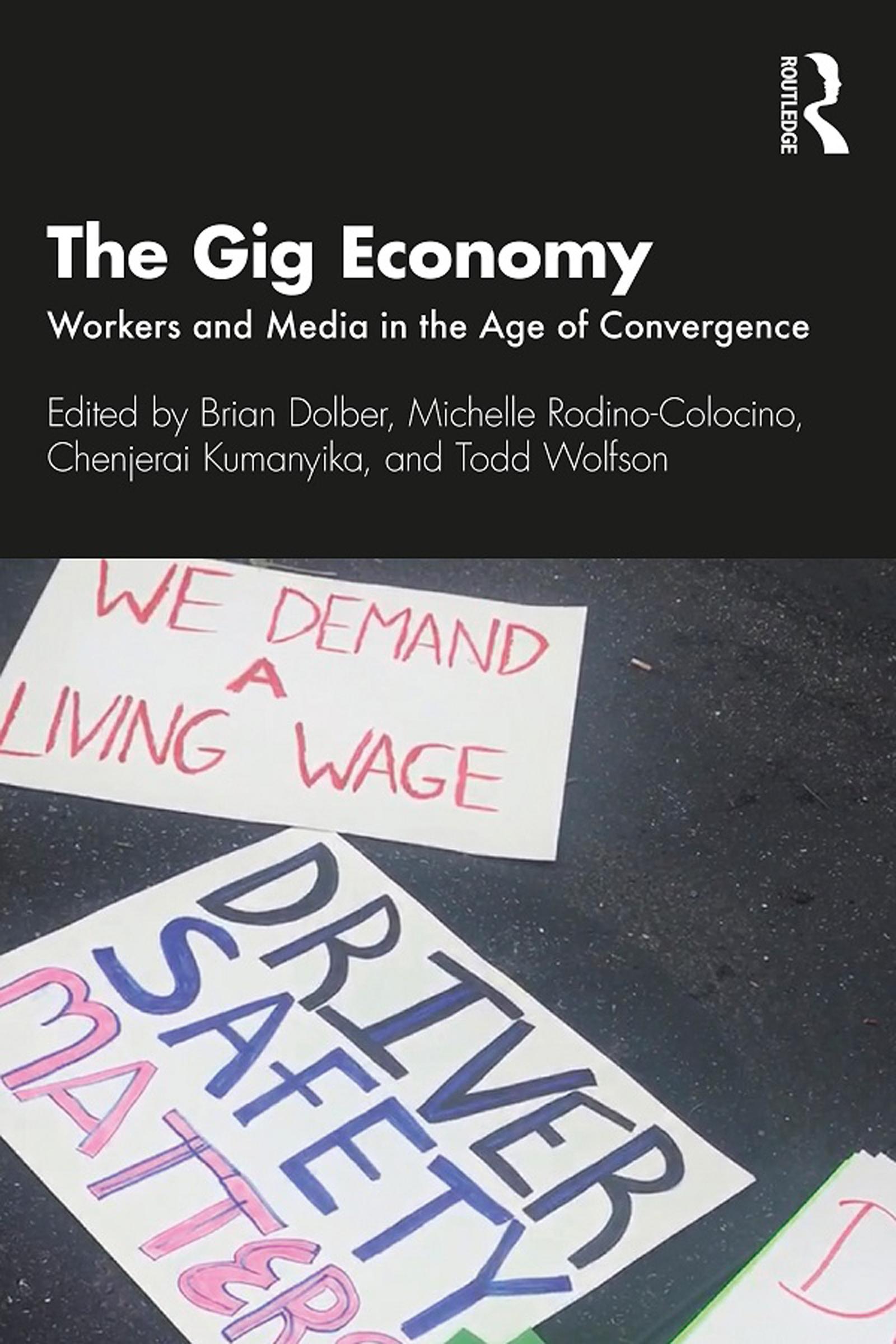
This edited collection examines the gig economy in the age of convergence from a critical political economic perspective. Contributions explore how media, technology, and labor are converging to create new modes of production, as well as new modes of resistance.
From rideshare drivers in Los Angeles to domestic workers in Delhi, from sex work to podcasting, this book draws together research that examines the gig economy's exploitation of workers and their resistance. Employing critical theoretical perspectives and methodologies in a variety of national contexts, contributors consider the roles that media, policy, culture, and history, as well as gender, race, and ethnicity play in forging working conditions in the 'gig economy'. Contributors examine the complex and historical relationships between media and gig work integral to capitalism with the aim of exposing and, ultimately, ending exploitation.
This book will appeal to students and scholars examining questions of technology, media, and labor across media and communication studies, information studies, and labor studies as well as activists, journalists, and policymakers.
Betal enkelt med kort, Klarna, Apple Pay eller Google Pay. Ikke fornøyd? Du har alltid 14 dagers angrerett. Les mer i våre vilkår. Har du spørsmål, send oss en e-post på hello@memmo.org.
Memmo gjør det enklere å studere – uansett hvor du er i verden. Hos oss samler du pensumbøker og smarte studieverktøy på ett og samme sted: sammendrag, quizer, podkaster og flashcards. Og så Ted, din studiekompis som svarer på alt du lurer på. Over 50 000 studenter studerer allerede her – bygget for at du skal lære raskere og stresse mindre.