
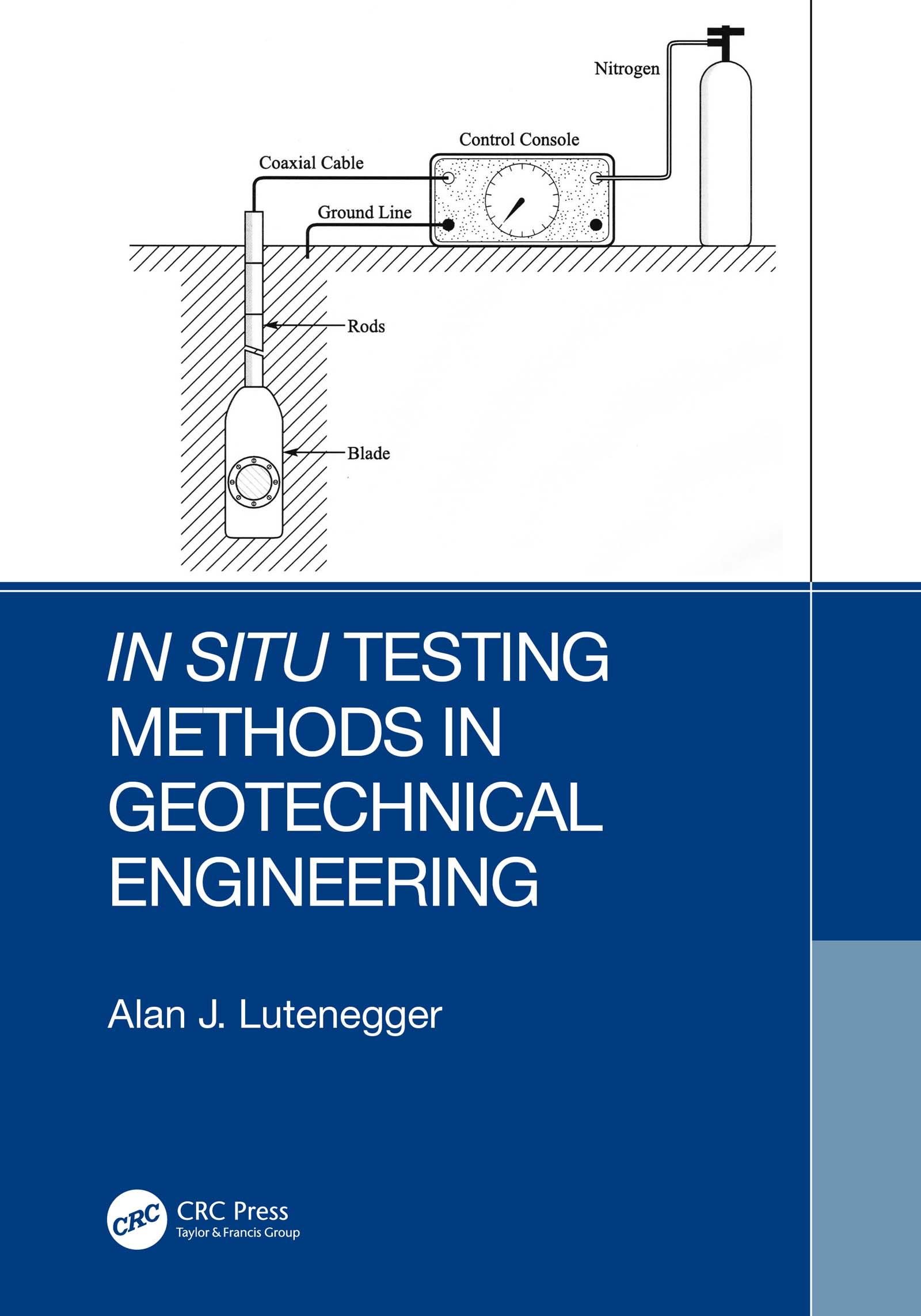
In Situ Testing Methods in Geotechnical Engineering covers the field of applied geotechnical engineering related to the use of in situ testing of soils to determine soil properties and parameters for geotechnical design. It provides an overview of the practical aspects of the most routine and common test methods, as well as test methods that engineers may wish to include on specific projects. It is suited for a graduate-level course on field testing of soils and will also aid practicing engineers.
Test procedures for determining in situ lateral stress, strength, and stiffness properties of soils are examined, as is the determination of stress history and rate of consolidation. Readers will be introduced to various approaches to geotechnical design of shallow and deep foundations using in situ tests. Importantly, the text discusses the potential advantages and disadvantages of using in situ tests.
Betal enkelt med kort, Klarna, Apple Pay eller Google Pay. Ikke fornøyd? Du har alltid 14 dagers angrerett. Les mer i våre vilkår. Har du spørsmål, send oss en e-post på hello@memmo.org.
Memmo gjør det enklere å studere – uansett hvor du er i verden. Hos oss samler du pensumbøker og smarte studieverktøy på ett og samme sted: sammendrag, quizer, podkaster og flashcards. Og så Ted, din studiekompis som svarer på alt du lurer på. Over 50 000 studenter studerer allerede her – bygget for at du skal lære raskere og stresse mindre.