
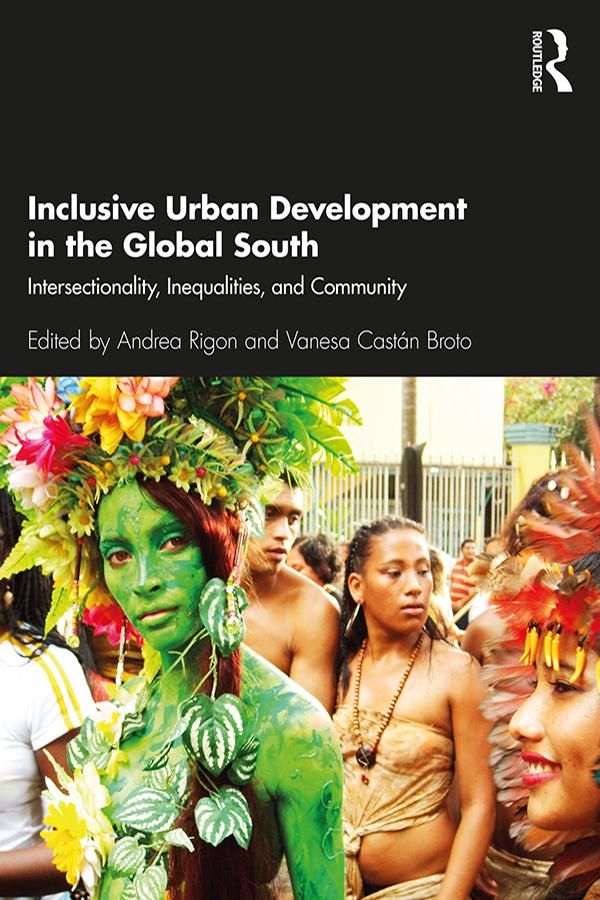
Inclusive Urban Development in the Global South emphasizes the importance of the neighbourhood in urban development planning, with case studies aimed at transforming current intervention practices towards more inclusive and just means of engagement with individuals and communities. The chapters explore how diversity of gender, class, race and ethnicity, citizenship status, age, ability, and sexuality is taken (or not taken) into account and approached in the planning and implementation of development policy and interventions in poor urban areas. The book employs a practical perspective on the deployment of theoretical critiques of intersectionality and diversity in development practice through case studies examining issues such as water and sanitation planning in Dhaka, indigenous rights to the city in Bolivia, post-colonial planning in Hong Kong, land reform in Zimbabwe, and many more. The book focuses on radical alternatives with the potential to foster urban transformations for planning and development communities working around the world.
Betal enkelt med kort, Klarna, Apple Pay eller Google Pay. Ikke fornøyd? Du har alltid 14 dagers angrerett. Les mer i våre vilkår. Har du spørsmål, send oss en e-post på hello@memmo.org.
Memmo gjør det enklere å studere – uansett hvor du er i verden. Hos oss samler du pensumbøker og smarte studieverktøy på ett og samme sted: sammendrag, quizer, podkaster og flashcards. Og så Ted, din studiekompis som svarer på alt du lurer på. Over 50 000 studenter studerer allerede her – bygget for at du skal lære raskere og stresse mindre.