
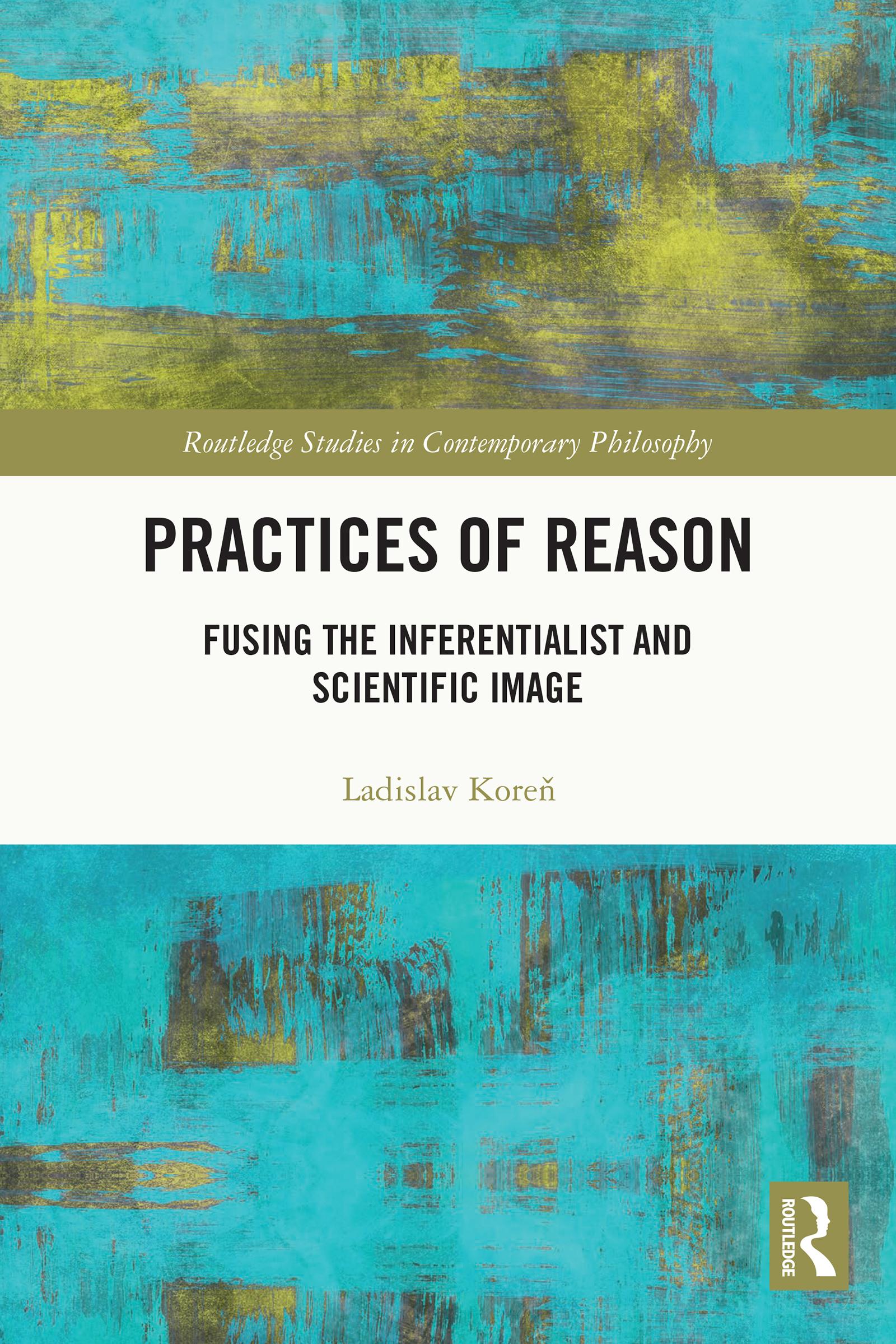
This book offers new insights into the nature of human rational capacities by engaging inferentialism with empirical research in the cognitive sciences.
Inferentialism advocates that humans’ unique kind of intelligence is discursive and rooted in competencies to make, assess and justify claims. This approach provides a rich source of valuable insights into the nature of our rational capacities, but it is underdeveloped in important respects. For example, little attempt has been made to assess inferentialism considering relevant scientific research on human communication, cognition or reasoning. By engaging philosophical and scientific approaches in a productive dialogue, this book shows how we can better understand human rational capacities by comparing their respective strengths and weaknesses. In this vein, the author critically revisits and constructively develops central themes from the work of Robert Brandom and other "language rationalists": the nature of the assertoric practice and its connection to reasoned discourse, the linguistic constitution of the shared space of reasons, the social nature and function of reasoning, the intersubjective roots of social-normative practices and the nature of objective thought.
Practices of Reason will be of interest to scholars and advanced students working in philosophy of mind, philosophy of language and philosophy of logic.
Betal enkelt med kort, Klarna, Apple Pay eller Google Pay. Ikke fornøyd? Du har alltid 14 dagers angrerett. Les mer i våre vilkår. Har du spørsmål, send oss en e-post på hello@memmo.org.
Memmo gjør det enklere å studere – uansett hvor du er i verden. Hos oss samler du pensumbøker og smarte studieverktøy på ett og samme sted: sammendrag, quizer, podkaster og flashcards. Og så Ted, din studiekompis som svarer på alt du lurer på. Over 50 000 studenter studerer allerede her – bygget for at du skal lære raskere og stresse mindre.