
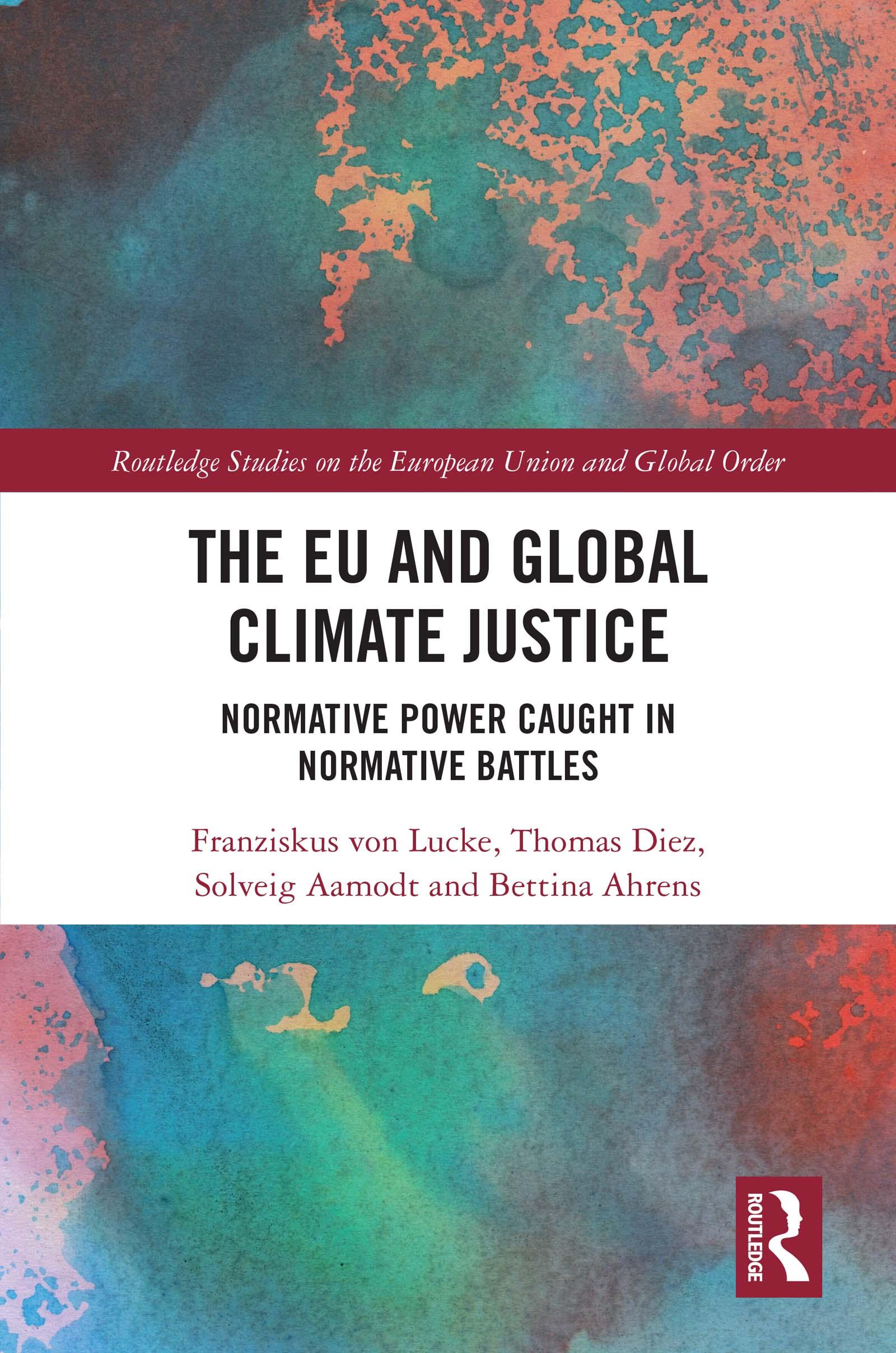
This book examines the European Union (EU)'s contribution to the development of the global climate regime within the broader framework of global justice.
It argues that the procedural dimension of justice has been largely overlooked so far in the assessment of EU climate policy and reveals that the EU has significantly contributed to the development of the climate regime within its broader efforts to ‘solidarise’ international society. At the same time, the book identifies deficits of the climate regime and limits to the EU’s impact, and explains why the EU policy towards global climate change has shifted over time. Finally, it argues that these policies should not be assessed in terms of being wholly positive or wholly negative, but that they are shot through with ambiguities.
This book will be of key interest to scholars, students, and practitioners of climate change, climate politics, and environmental and climate justice studies, and more broadly to EU Studies and International Relations.
Betal enkelt med kort, Klarna, Apple Pay eller Google Pay. Ikke fornøyd? Du har alltid 14 dagers angrerett. Les mer i våre vilkår. Har du spørsmål, send oss en e-post på hello@memmo.org.
Memmo gjør det enklere å studere – uansett hvor du er i verden. Hos oss samler du pensumbøker og smarte studieverktøy på ett og samme sted: sammendrag, quizer, podkaster og flashcards. Og så Ted, din studiekompis som svarer på alt du lurer på. Over 50 000 studenter studerer allerede her – bygget for at du skal lære raskere og stresse mindre.