
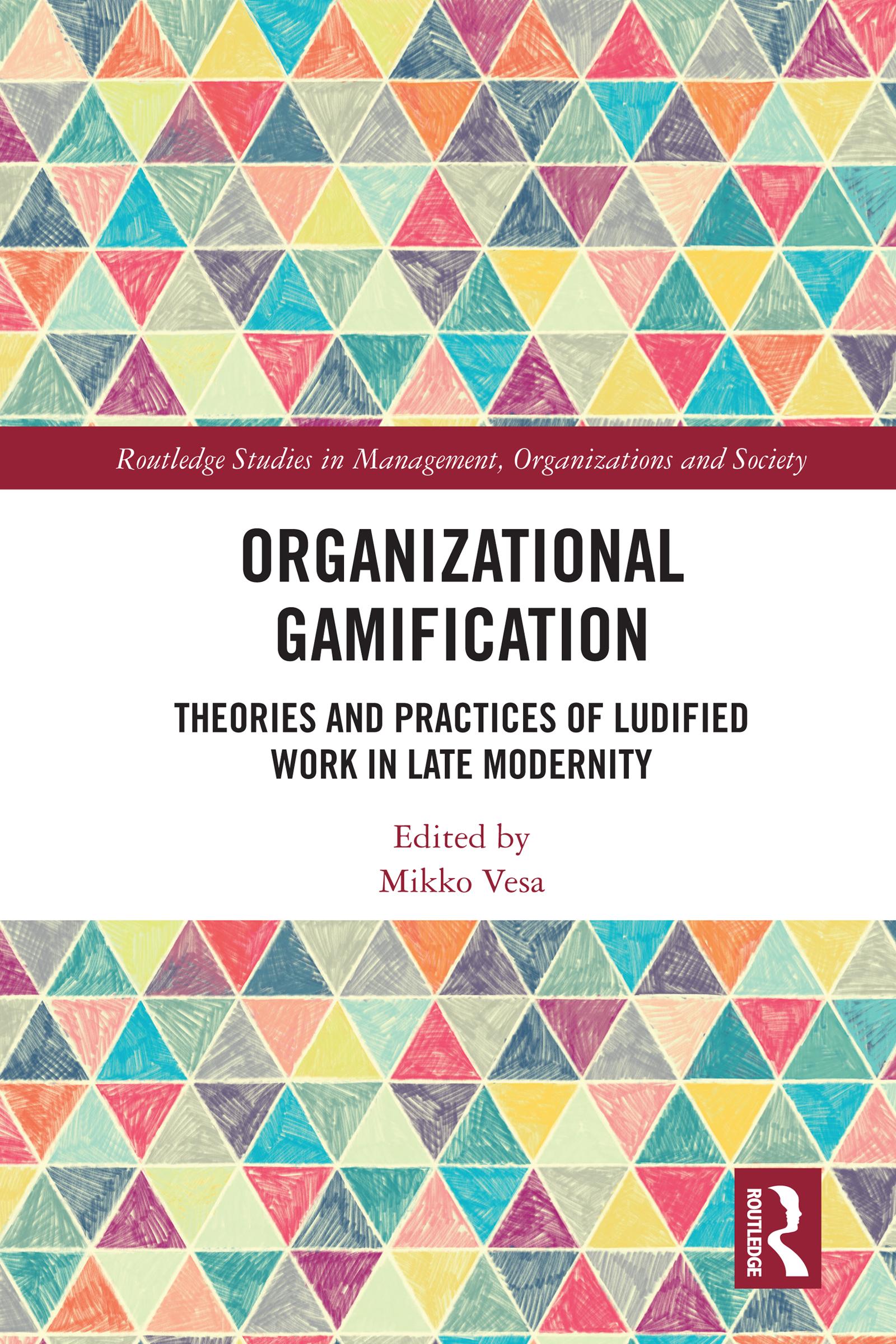
This edited volume presents an interdisciplinary collection of texts that examine the practice of gamification, the use of game design elements in non-game contexts, specifically as an organization and management research problem.
As we travel deeper into the twenty-first century, it is becoming increasingly clear the late modernity is re defining its take on games and play. Following what has been termed a general ludification or playification of society, corporations are beginning to see games and play as resources rather than as a wasteful practice. We are witnessing the emergence of the practice of gamificiation with the intention of mobilizing play’s motivational power for capitalist production. This book outlines both the essential "how tos" and also critically explores their links to diverse strands of organization theory such as institutionalism, business ethics, critical theory and organizational behavior. Gamification research has been mostly conducted within disciplines such as information studies, game studies and information systems science. This is a paradoxical state of affairs; whilst gamification aims at being a transformative intervention in work processes and practices and is being deployed as such by practitioners.
This book will be of value to researchers, academics and students interested in management and organization studies.
Betal enkelt med kort, Klarna, Apple Pay eller Google Pay. Ikke fornøyd? Du har alltid 14 dagers angrerett. Les mer i våre vilkår. Har du spørsmål, send oss en e-post på hello@memmo.org.
Memmo gjør det enklere å studere – uansett hvor du er i verden. Hos oss samler du pensumbøker og smarte studieverktøy på ett og samme sted: sammendrag, quizer, podkaster og flashcards. Og så Ted, din studiekompis som svarer på alt du lurer på. Over 50 000 studenter studerer allerede her – bygget for at du skal lære raskere og stresse mindre.