
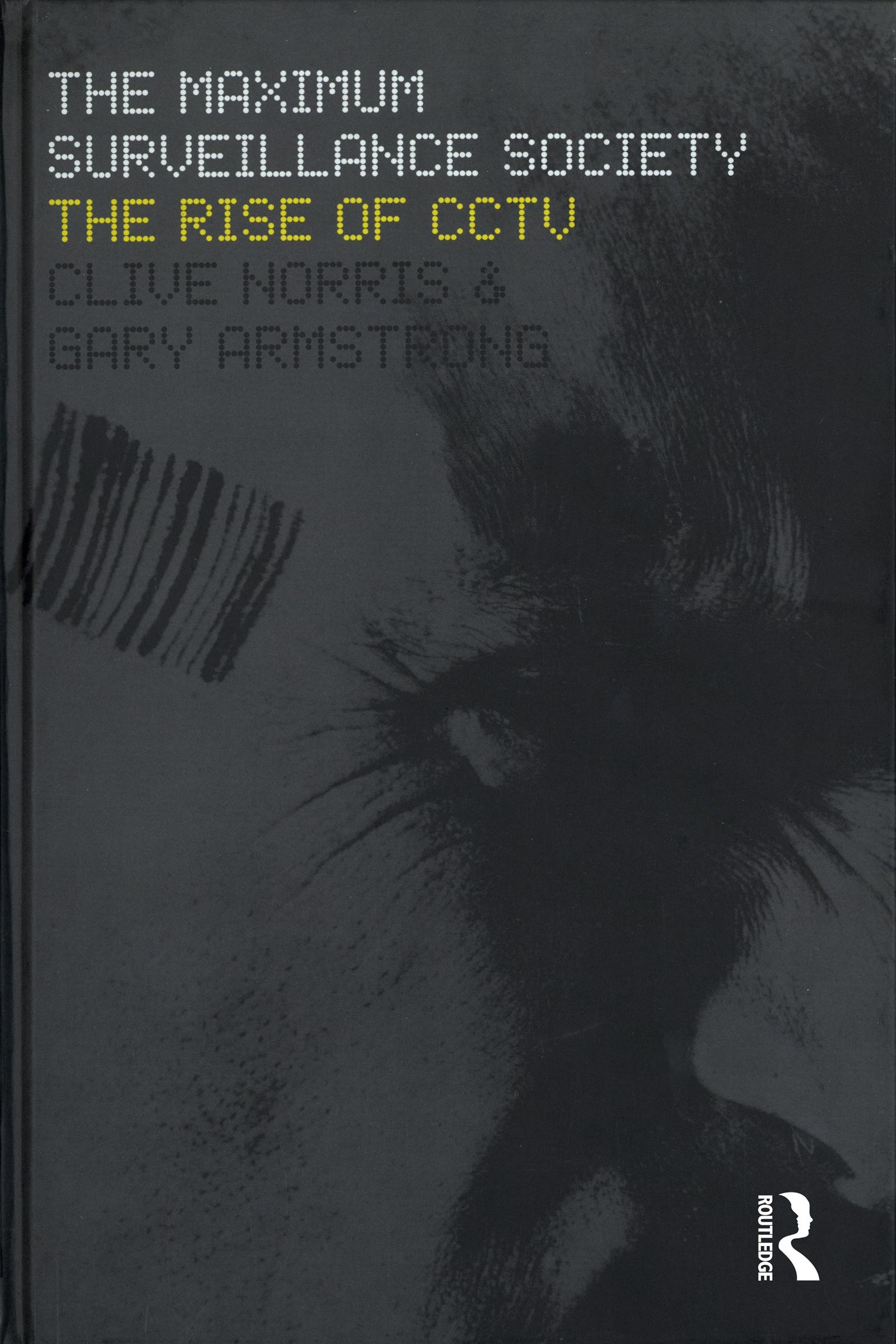
The use of Closed-Circuit Television, or CCTV, has dramatically increased over the past decade, but its presence is often so subtle as to go unnoticed. Should we unthinkingly accept that increased surveillance is in the public's best interests, or does this mean that ‘Big Brother' is finally watching us? This book asks provocative questions about the rise of the maximum surveillance society. Is crime control the principal motivation behind increased surveillance or are the reasons more complex? Does surveillance violate peoples' right of privacy? Who gets surveilled and why? What are its implications for social control? Does surveillance actually reduce crime? What will developments in technology mean for the future of surveillance? What rights do individuals under surveillance have? How is the information gathered through CCTV used by the authorities?Based on extensive fieldwork on automated surveillance in Britain over a two-year period, this book not only attempts to answer these vexing questions, but also provides a wealth of detailed information about the reasoning behind and effects of social control.
Betal enkelt med kort, Klarna, Apple Pay eller Google Pay. Ikke fornøyd? Du har alltid 14 dagers angrerett. Les mer i våre vilkår. Har du spørsmål, send oss en e-post på hello@memmo.org.
Memmo gjør det enklere å studere – uansett hvor du er i verden. Hos oss samler du pensumbøker og smarte studieverktøy på ett og samme sted: sammendrag, quizer, podkaster og flashcards. Og så Ted, din studiekompis som svarer på alt du lurer på. Over 50 000 studenter studerer allerede her – bygget for at du skal lære raskere og stresse mindre.
Du vil kanskje også like
Kjøp boken0