
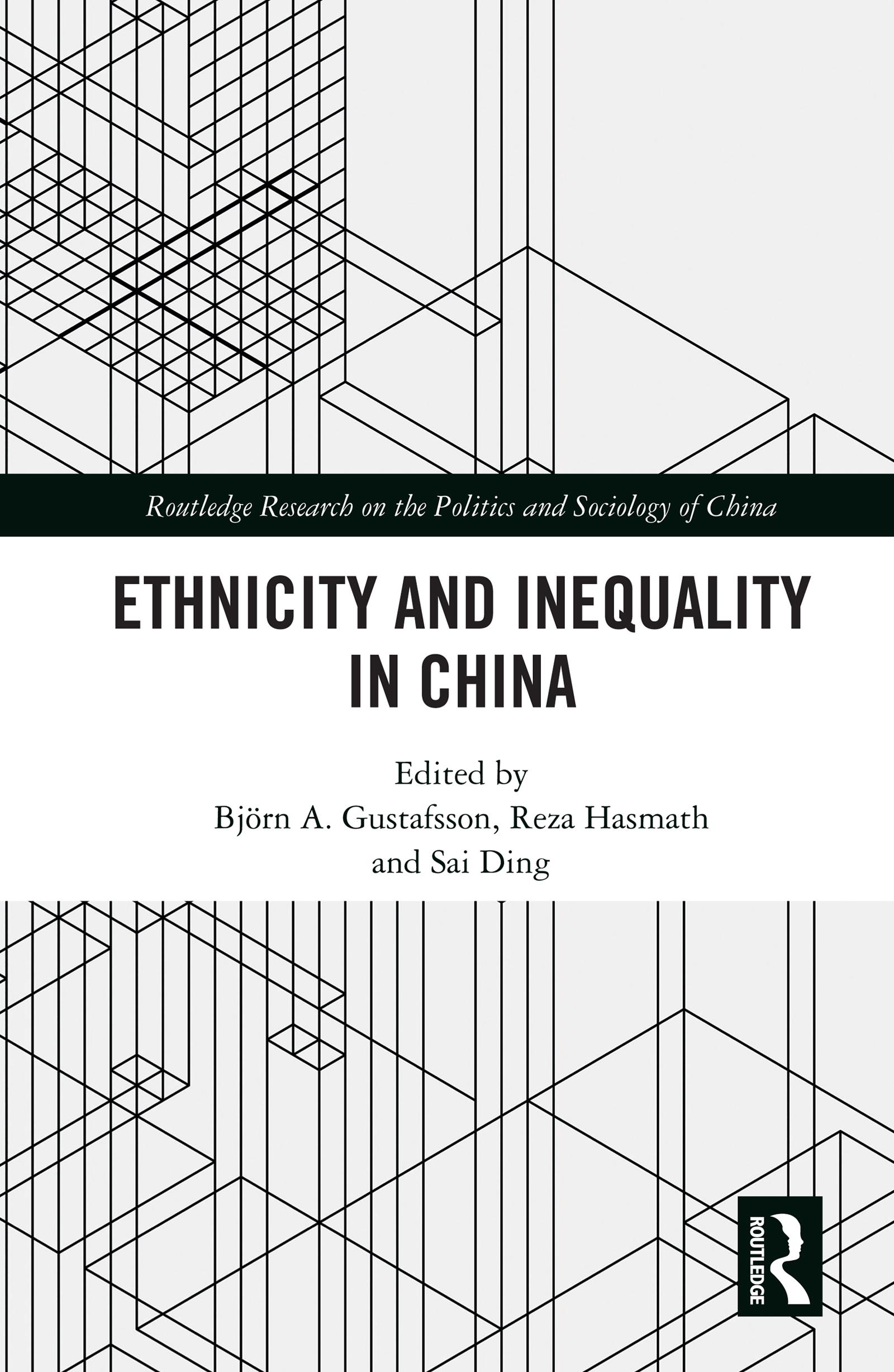
This book analyses the behaviour of ethnic minority groups in China using the first comprehensive national dataset dedicated to capturing the socio-economic profile of ethnic minorities: the China Household Ethnicity Survey (CHES).
Managing ethnic diversity in China has become an increasingly important subject, especially against the backdrop of the nation’s rampant economic growth and changing institutional behaviour. The book has an analytical interest in looking at the benefactors of China’s growth from an ethnic group dimension, and notably, how the economic life of the 55 ethnic minority groups compares to the Han majority. It’s one of the first publications to capture the heterogeneity of ethnic minority groups’ socio-economic experience, through intersectional analysis and multi-disciplinary approaches. Contributing factors in explaining ethnic minorities’ experiences in the urban labour market are also considered: from how linguistic capital and migration patterns vary for ethnic minorities, to the effects of pro-rural policies. Underpinning these are questions about the extent to which happiness and discrimination impact the economic life of ethnic minorities.
Ethnicity and Inequality in China will prove an invaluable resource for students and scholars of economics, sociology and contemporary Chinese Studies more broadly.
Betal enkelt med kort, Klarna, Apple Pay eller Google Pay. Ikke fornøyd? Du har alltid 14 dagers angrerett. Les mer i våre vilkår. Har du spørsmål, send oss en e-post på hello@memmo.org.
Memmo gjør det enklere å studere – uansett hvor du er i verden. Hos oss samler du pensumbøker og smarte studieverktøy på ett og samme sted: sammendrag, quizer, podkaster og flashcards. Og så Ted, din studiekompis som svarer på alt du lurer på. Over 50 000 studenter studerer allerede her – bygget for at du skal lære raskere og stresse mindre.