
Før Memmo var notatene mine spredt overalt i PDF-er. Nå samler et arbeidsområde alt på ett sted – jeg ser akkurat hva som gjenstår å studere.
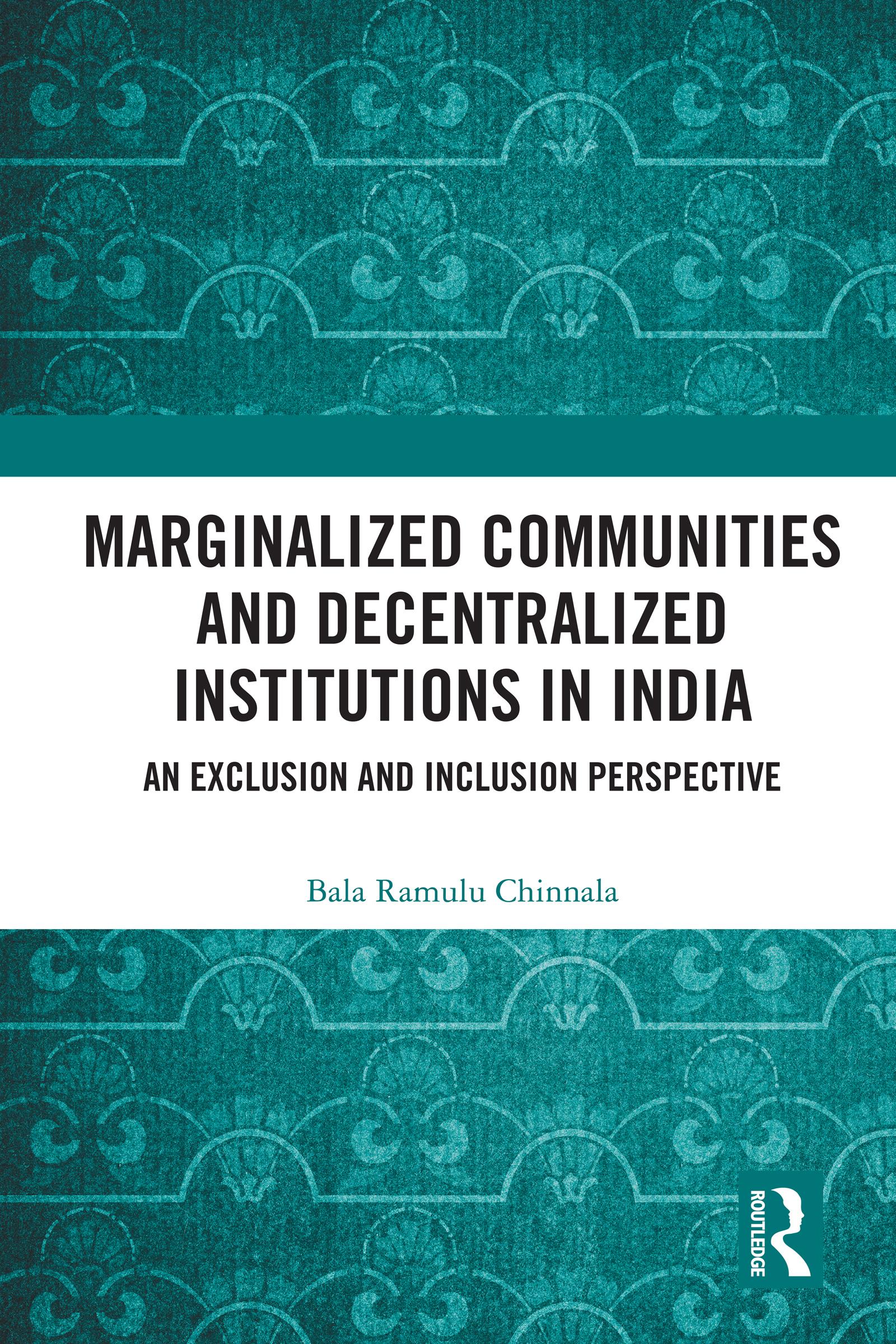
This book examines the causes and consequences of marginalization of social groups and the state of democratic decentralization in India in the unfolding context of globalization and changing perspectives of development models and institutions. The first of its kind, it correlates macro-and micro-level issues to understand social exclusion and inclusion and the level of participation of democratic institutions at the grassroots level since economic liberalization (1991) and the 73rd Constitution Amendment Act of 1992, marking three decades since granting constitutional status to the Panchayati Raj Institutions.
The study looks at the linkages between certain key themes: the neoliberal model of development, growth, and distributive justice; the role and mandate of grassroots-level public institutions enshrined in the Constitution, inclusive growth, and the Indian State; the role of political executives from marginalized communities; factors involved in people’s active participation in the development process; and challenges in current political structures, inclusion of marginalized communities in governance and development, and real empowerment of local bodies and institutions. The book argues that legislative enactments, constitutional status, reservation of seats to marginalized communities, and so on can only empower local bodies and their leadership symbolically. The success of these provisions depends on the overall development model of the country; the support of national and state governments; the socio-economic and political environment of the institutions; and effective service and accountability.
Topical and rich in empirical data, including case studies, this book will be an essential read for scholars and researchers of political science, development studies, governance, public administration, sociology, public policy, and also for government agencies, administrators and bureaucrats, policymakers, international organizations, think tanks, and NGOs working in the area.
Før Memmo var notatene mine spredt overalt i PDF-er. Nå samler et arbeidsområde alt på ett sted – jeg ser akkurat hva som gjenstår å studere.
Memmos sammendrag er gull før eksamen. Jeg slipper å lese 800 sider to uker før – bare det viktigste.
AI-chatten har reddet meg kvelden før eksamen mer enn én gang. Jeg bare spør til jeg forstår – slipper å vente på svar i en studiegruppe.
Quizene treffer akkurat det jeg trenger å vite. Memmo holder styr på hva jeg sliter med – så jeg øver bare på det som er verdt det.
Flashcards med repetisjon over tid er magi. Memmo vet når jeg er i ferd med å glemme noe og viser det igjen.
AI-podkastene er min favoritt. Jeg lytter på vei til skolen og får en repetisjon uten å sitte foran en datamaskin.

Handbok i kvalitativa metoder
281 kr

Hållbar utveckling: en introduktion för ingenjörer och andra problemlösare
334 kr

Brymans Samhällsvetenskapliga metoder
390 kr

Projektledning
491 kr

Den orättvisa hälsan: om socioekonomiska skillnader i hälsa och livslängd
326 kr

Organizational Leadership
429 kr

Vetenskapsteori för nybörjare
196 kr

På väg mot läraryrket
172 kr

Det sociala livet i skolan: Socialpsykologiska perspektiv
253 kr

Betygsättningens didaktik
151 kr

Personality
402 kr

Studying Leadership
404 kr

Managing Innovation
477 kr

Introduktion till samhällsvetenskaplig metod
347 kr

The Psychology of Sex and Gender
698 kr

Introduction to Leadership
605 kr

Evidens och kunskap för socialt arbete
207 kr