
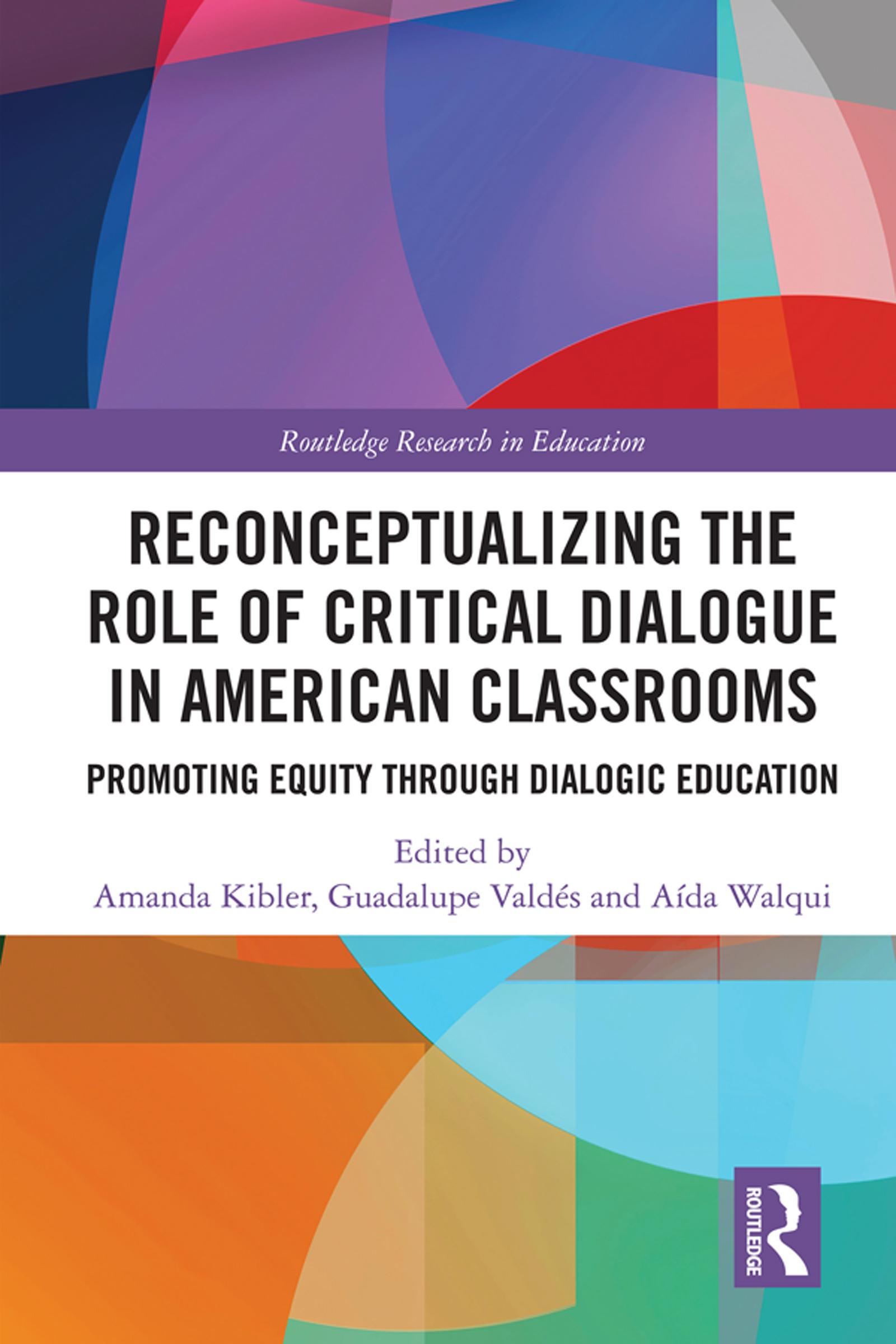
Acknowledging teacher and student dialogue as key to student development, this volume takes a critical perspective on notions of classroom participation, extending previous scholarship to illustrate how critical, dialogic pedagogies can promote equity and inclusivity.
In proposing and outlining the parameters of "critical dialogic education," the contributors to this volume document and discuss examples of classroom discourse practices that challenge the monolithic and uncritical discourse practices that traditionally silence minoritized students. Chapters draw on a range of empirical studies and present multimodal data to consider aspects of teacher education; classroom environments; and curricular innovations which promote critical and dialogical student interaction, civic engagement, and linguistic versatility.
This book will be of interest to scholars, postgraduate students, and researchers working in the fields of language, classroom discourse, social justice, and critical pedagogies, as well as teacher educators and professional development leaders who work with classroom teachers.
Betal enkelt med kort, Klarna, Apple Pay eller Google Pay. Ikke fornøyd? Du har alltid 14 dagers angrerett. Les mer i våre vilkår. Har du spørsmål, send oss en e-post på hello@memmo.org.
Memmo gjør det enklere å studere – uansett hvor du er i verden. Hos oss samler du pensumbøker og smarte studieverktøy på ett og samme sted: sammendrag, quizer, podkaster og flashcards. Og så Ted, din studiekompis som svarer på alt du lurer på. Over 50 000 studenter studerer allerede her – bygget for at du skal lære raskere og stresse mindre.