
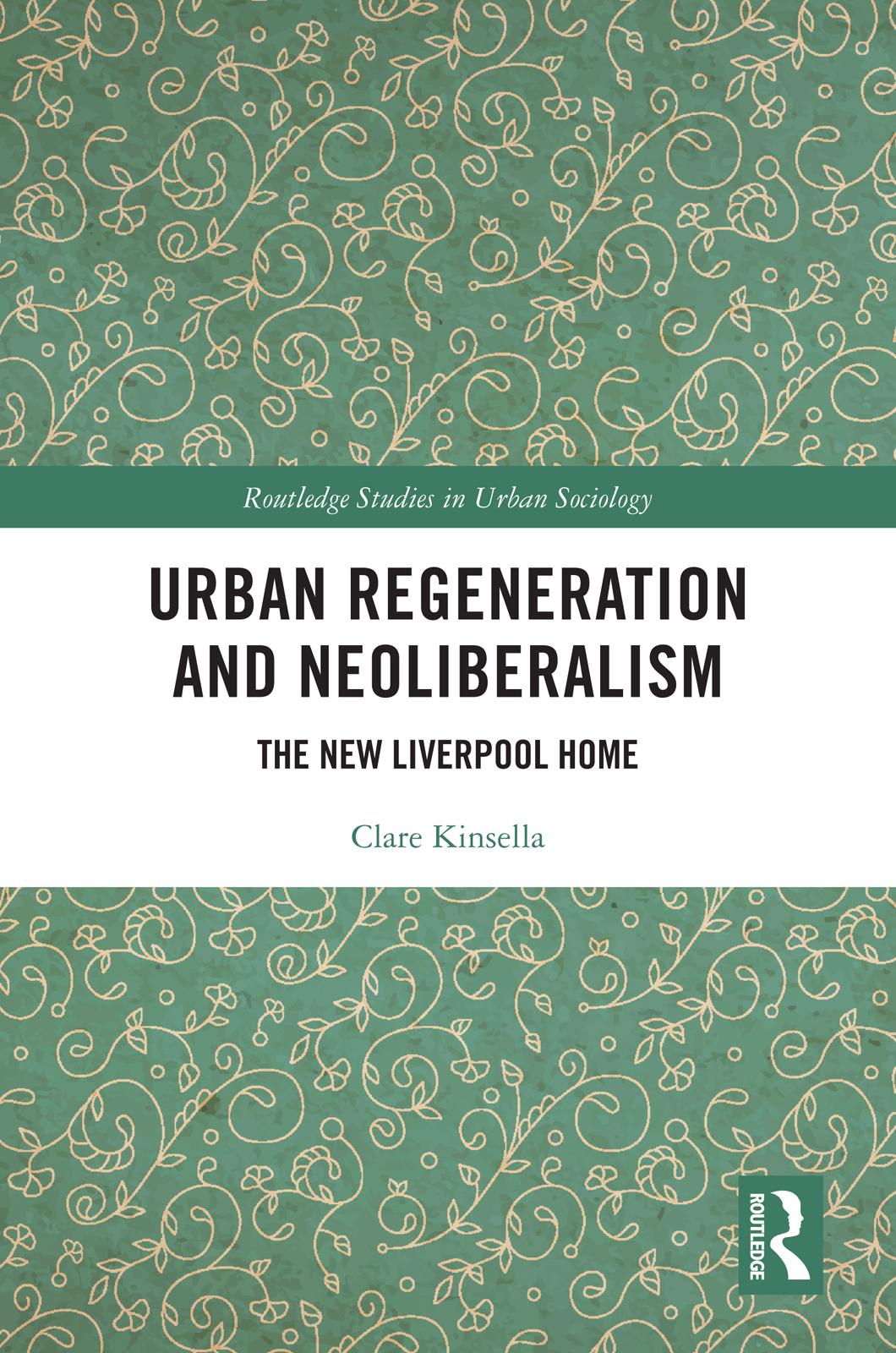
This book explores the concept of ‘home’ in Liverpool over phases of ‘regeneration’ following the Second World War. Using qualitative research in the oral history tradition, it explores what the author conceptualises as ‘forward-facing’ regeneration in the period up to the 1980s, and neoliberal regeneration interventions that ‘prioritise the past’ from the 1980s to the present. The author examines how the shift towards city centre-focused redevelopment and ‘event-led’ initiatives has implications for the way residents make sense of their conceptualisations of ‘home’, and demonstrates how the shift in regeneration focus, discourse, and practice, away from Liverpool’s neighbourhood districts and towards the city centre, has produced changes in the ways that residents identify with neighbourhoods and the city centre, with prominence being given to the latter. Employing Pierre Bourdieu’s concepts of habitus and field as mechanisms for understanding different senses of home and shifts from localised views to globalised views, this book will appeal to those with interests in urban sociology, regeneration, geography, sociology, home cultures, and cities.
Betal enkelt med kort, Klarna, Apple Pay eller Google Pay. Ikke fornøyd? Du har alltid 14 dagers angrerett. Les mer i våre vilkår. Har du spørsmål, send oss en e-post på hello@memmo.org.
Memmo gjør det enklere å studere – uansett hvor du er i verden. Hos oss samler du pensumbøker og smarte studieverktøy på ett og samme sted: sammendrag, quizer, podkaster og flashcards. Og så Ted, din studiekompis som svarer på alt du lurer på. Over 50 000 studenter studerer allerede her – bygget for at du skal lære raskere og stresse mindre.