
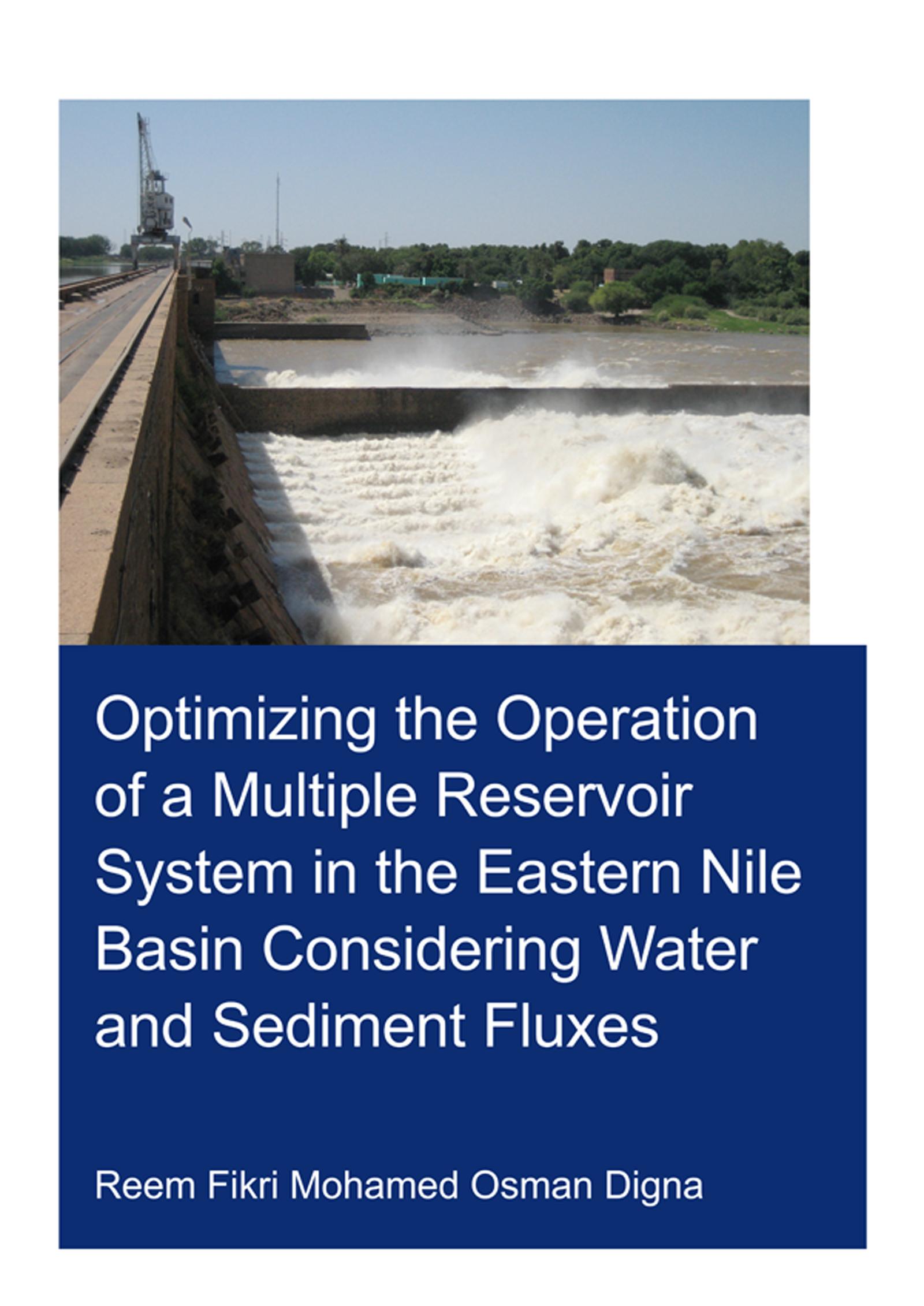
The Eastern Nile riparian countries Egypt, Ethiopia and Sudan are currently developing several reservoir projects to contribute to the needs for energy and food production in the region. The Nile Basin, particularly the Eastern Nile Sub-basin, is considered one of a few international river systems with potential conflicts between riparian countries. In the absence of formal mechanisms for collaboration, the transboundary nature of this basin makes sound water resources development challenging. The large seasonal and inter-annual variability of the river flow exacerbates those challenges. A further complication is the high sediment load in the Eastern Nile rivers during the high flow season.
This study contributes to fill relevant knowledge gaps through a better understanding of the methods needed for a complex system of multipurpose reservoirs, considering both water quantity and sediment load. The study quantifies the impacts of water resources development in the Eastern Nile basin and identifies system management options at both regional and country level. Developing a collaborative and unified perspective of the countries towards new projects can be beneficial for all. New operation rules are proposed for improving operation of the current system when new infrastructures are developed and operated either unilaterally or, ideally, cooperatively.
Betal enkelt med kort, Klarna, Apple Pay eller Google Pay. Ikke fornøyd? Du har alltid 14 dagers angrerett. Les mer i våre vilkår. Har du spørsmål, send oss en e-post på hello@memmo.org.
Memmo gjør det enklere å studere – uansett hvor du er i verden. Hos oss samler du pensumbøker og smarte studieverktøy på ett og samme sted: sammendrag, quizer, podkaster og flashcards. Og så Ted, din studiekompis som svarer på alt du lurer på. Over 50 000 studenter studerer allerede her – bygget for at du skal lære raskere og stresse mindre.