
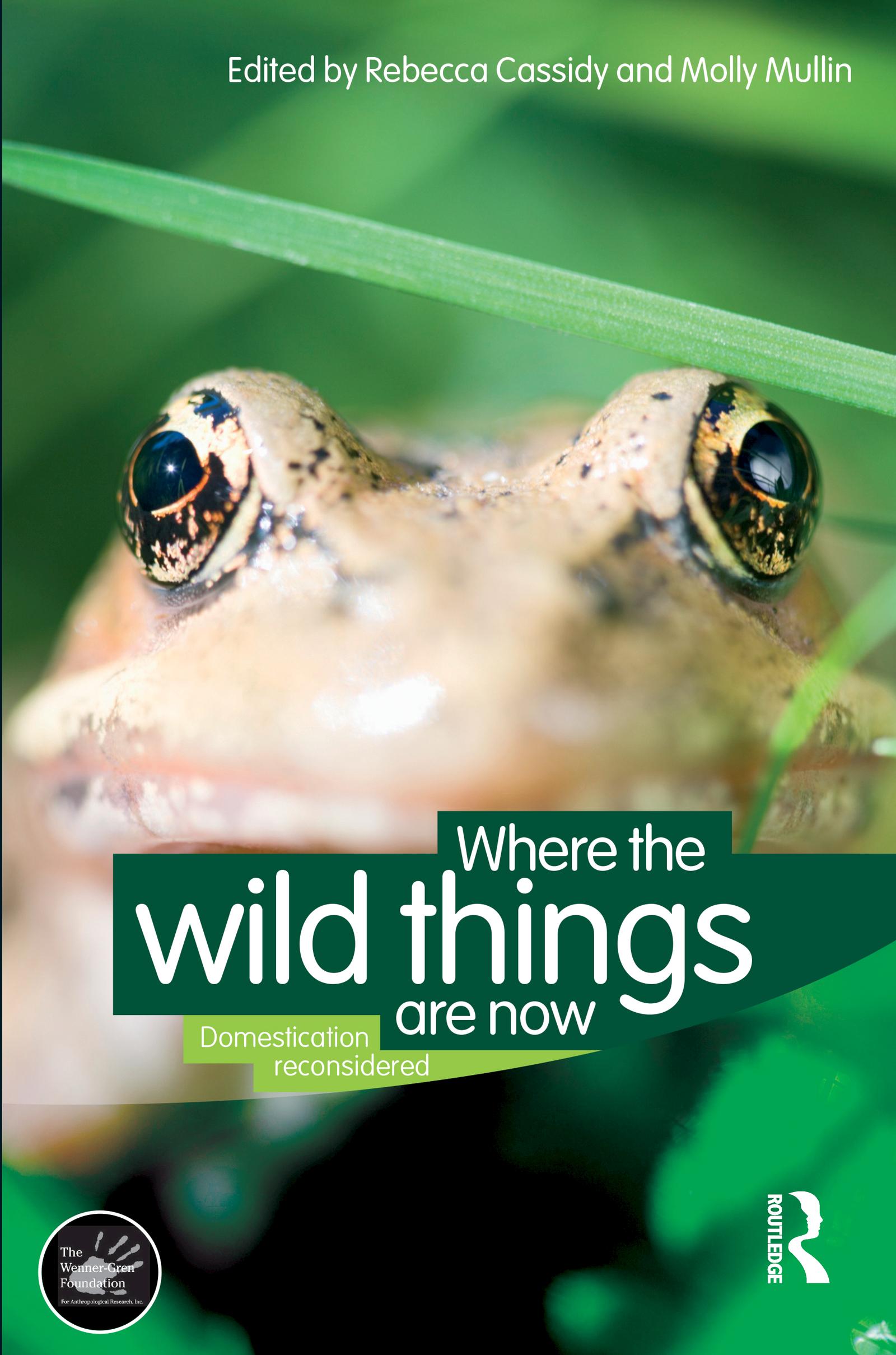
Domestication has often seemed a matter of the distant past, a series of distinct events involving humans and other species that took place long ago. Today, as genetic manipulation continues to break new barriers in scientific and medical research, we appear to be entering an age of biological control. Are we also writing a new chapter in the history of domestication? Where the Wild Things Are Now explores the relevance of domestication for anthropologists and scholars in related fields who are concerned with understanding ongoing change in processes affecting humans as well as other species. From the pet food industry and its critics to salmon farming in Tasmania, the protection of endangered species in Vietnam and the pigeon fanciers who influenced Darwin, Where the Wild Things Are Now provides an urgently needed re-examination of the concept of domestication against the shifting background of relationships between humans, animals and plants.
Betal enkelt med kort, Klarna, Apple Pay eller Google Pay. Ikke fornøyd? Du har alltid 14 dagers angrerett. Les mer i våre vilkår. Har du spørsmål, send oss en e-post på hello@memmo.org.
Memmo gjør det enklere å studere – uansett hvor du er i verden. Hos oss samler du pensumbøker og smarte studieverktøy på ett og samme sted: sammendrag, quizer, podkaster og flashcards. Og så Ted, din studiekompis som svarer på alt du lurer på. Over 50 000 studenter studerer allerede her – bygget for at du skal lære raskere og stresse mindre.
Du vil kanskje også like
Kjøp boken0