
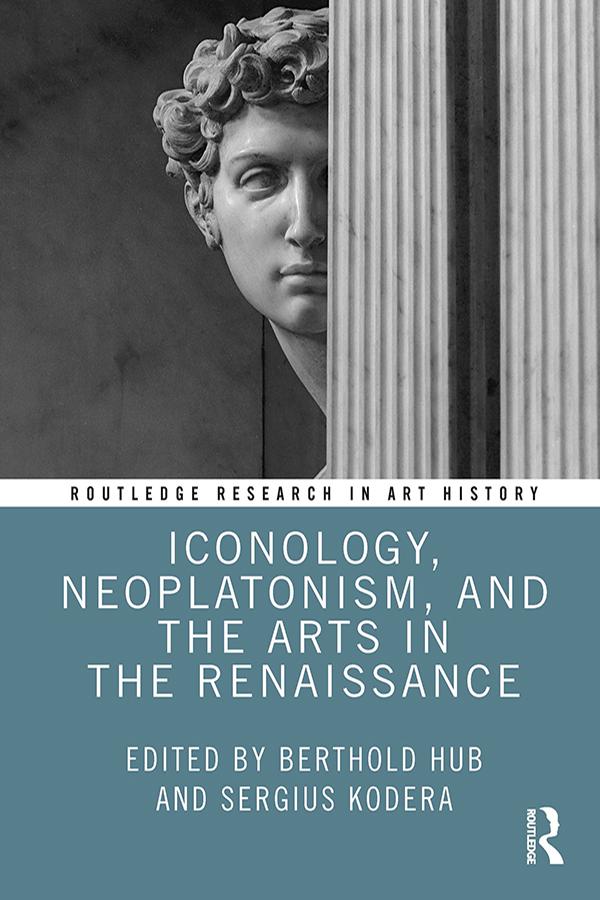
The mid-twentieth century saw a change in paradigms of art history: iconology. The main claim of this novel trend in art history was that renowned Renaissance artists (such as Botticelli, Leonardo, or Michelangelo) created imaginative syntheses between their art and contemporary cosmology, philosophy, theology, and magic.
The Neoplatonism in the books by Marsilio Ficino and Giovanni Pico della Mirandola became widely acknowledged for its lasting influence on art. It thus became common knowledge that Renaissance artists were not exclusively concerned with problems intrinsic to their work but that their artifacts encompassed a much larger intellectual and cultural horizon. This volume brings together historians concerned with the history of their own discipline – and also those whose research is on the art and culture of the Italian Renaissance itself – with historians from a wide variety of specialist fields, in order to engage with the contested field of iconology.
The book will be of interest to scholars working in art history, Renaissance history, Renaissance studies, historiography, philosophy, theology, gender studies, and literature.
Betal enkelt med kort, Klarna, Apple Pay eller Google Pay. Ikke fornøyd? Du har alltid 14 dagers angrerett. Les mer i våre vilkår. Har du spørsmål, send oss en e-post på hello@memmo.org.
Memmo gjør det enklere å studere – uansett hvor du er i verden. Hos oss samler du pensumbøker og smarte studieverktøy på ett og samme sted: sammendrag, quizer, podkaster og flashcards. Og så Ted, din studiekompis som svarer på alt du lurer på. Over 50 000 studenter studerer allerede her – bygget for at du skal lære raskere og stresse mindre.