
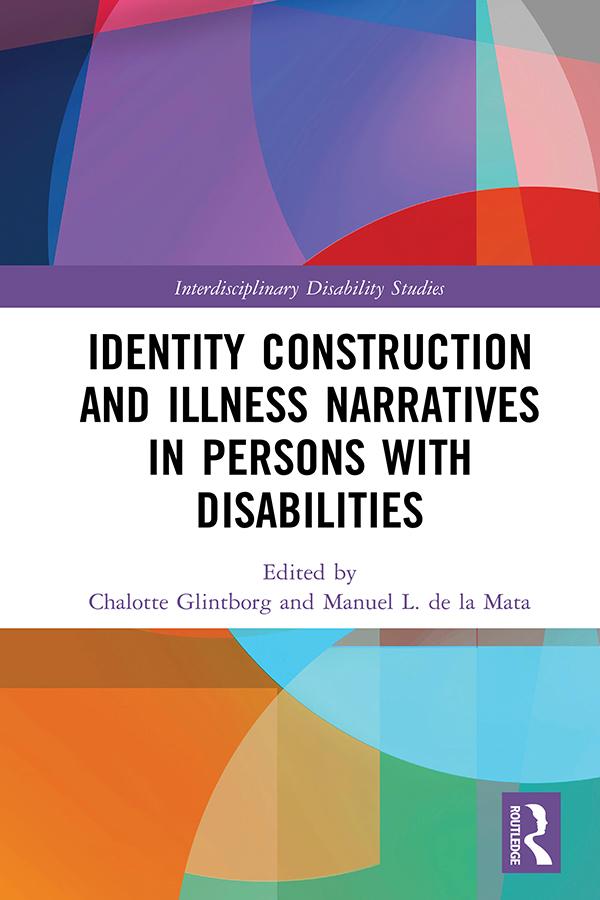
This book investigates how being diagnosed with various disabilities impacts on identity. Once diagnosed with a disability, there is a risk that this label can become the primary status both for the person diagnosed as well as for their family. This reification of the diagnosis can be oppressive because it subjugates humanity in such a way that everything a person does can be interpreted as linked to their disability.
Drawing on narrative approaches to identity in psychology and social sciences, the bio-psycho-social model and a holistic approach to disabilities, the chapters in this book understand disability as constructed in discourse, as negotiated among speaking subjects in social contexts, and as emergent. By doing so, they amplify voices that may have otherwise remained silent and use storytelling as a way of communicating the participants' realities to provide a more in-depth understanding of their point of view.
This book will be of interest to all scholars and students of disability studies, sociology, medical humanities, disability research methods, narrative theory, and rehabilitation studies.
Betal enkelt med kort, Klarna, Apple Pay eller Google Pay. Ikke fornøyd? Du har alltid 14 dagers angrerett. Les mer i våre vilkår. Har du spørsmål, send oss en e-post på hello@memmo.org.
Memmo gjør det enklere å studere – uansett hvor du er i verden. Hos oss samler du pensumbøker og smarte studieverktøy på ett og samme sted: sammendrag, quizer, podkaster og flashcards. Og så Ted, din studiekompis som svarer på alt du lurer på. Over 50 000 studenter studerer allerede her – bygget for at du skal lære raskere og stresse mindre.