
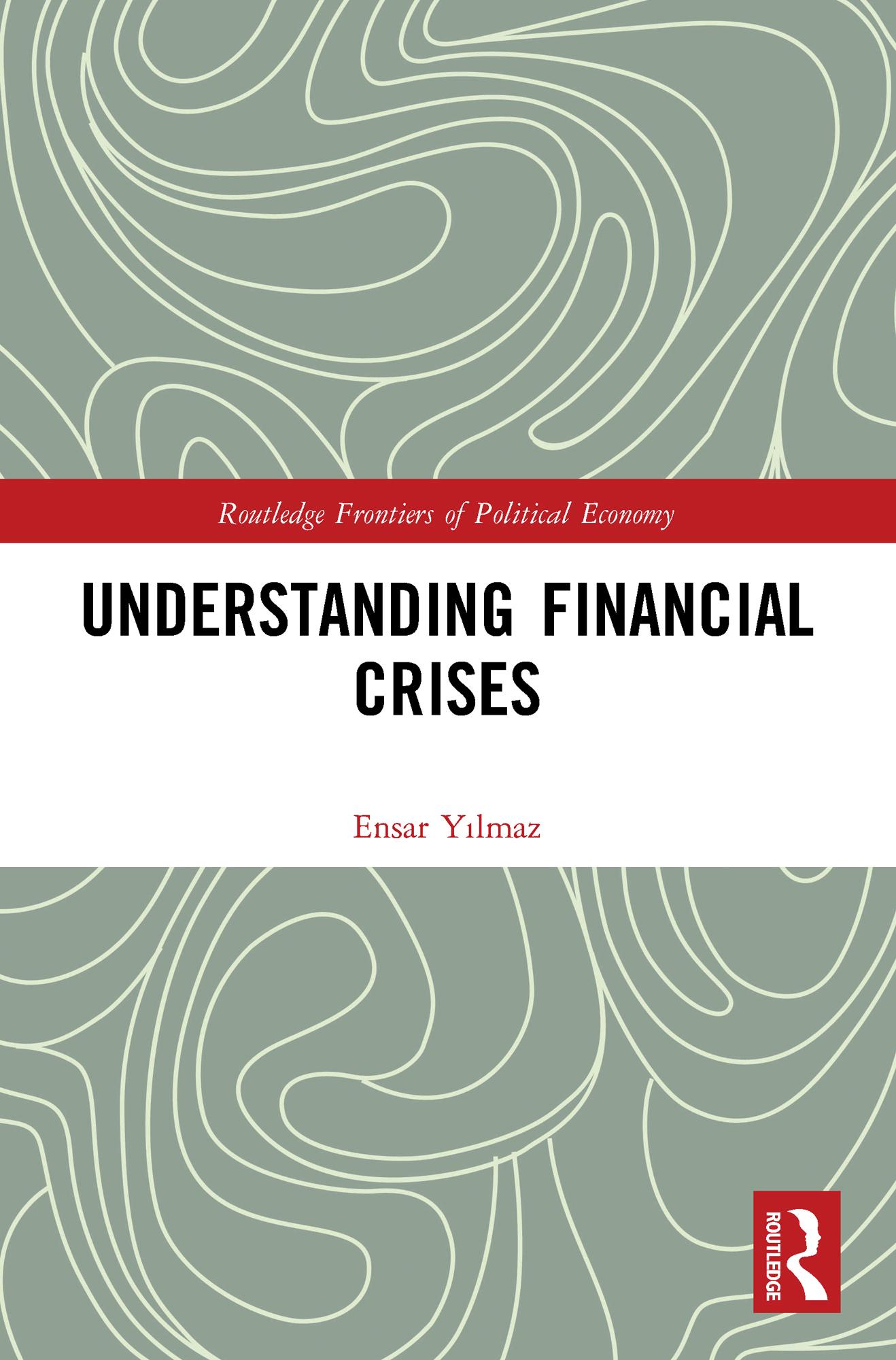
Incorporating a broad range of economic approaches, Understanding Financial Crises explores the merits of various arguments and theories which have been used to explain the causes of financial crises. The book explores eight of these different explanations: underconsumption, debt accumulation, financialization, income inequality, financial fragility, tendency of rate of profit to fall, human behavior, and global imbalances. The introduction provides a brief overview of each argument along with a comparison of their relative merits. Each chapter then introduces one of the arguments, explores a historical case, and focuses on the insights that can be gleaned into the global crisis in 2007–2008. The book draws on insights from various schools of thought including post-Keynesian economics, Marxist economics, behavioral economics, neoclassical economics, and more, to provide a pluralist overview of the causes of economic crises in general and the Great Recession in particular. This book marks a significant contribution to the literature on economic and financial crises, political economy and heterodox economics. It is well suited to academicians, practitioners, and financial analysts working within the relevant fields.
Betal enkelt med kort, Klarna, Apple Pay eller Google Pay. Ikke fornøyd? Du har alltid 14 dagers angrerett. Les mer i våre vilkår. Har du spørsmål, send oss en e-post på hello@memmo.org.
Memmo gjør det enklere å studere – uansett hvor du er i verden. Hos oss samler du pensumbøker og smarte studieverktøy på ett og samme sted: sammendrag, quizer, podkaster og flashcards. Og så Ted, din studiekompis som svarer på alt du lurer på. Over 50 000 studenter studerer allerede her – bygget for at du skal lære raskere og stresse mindre.