
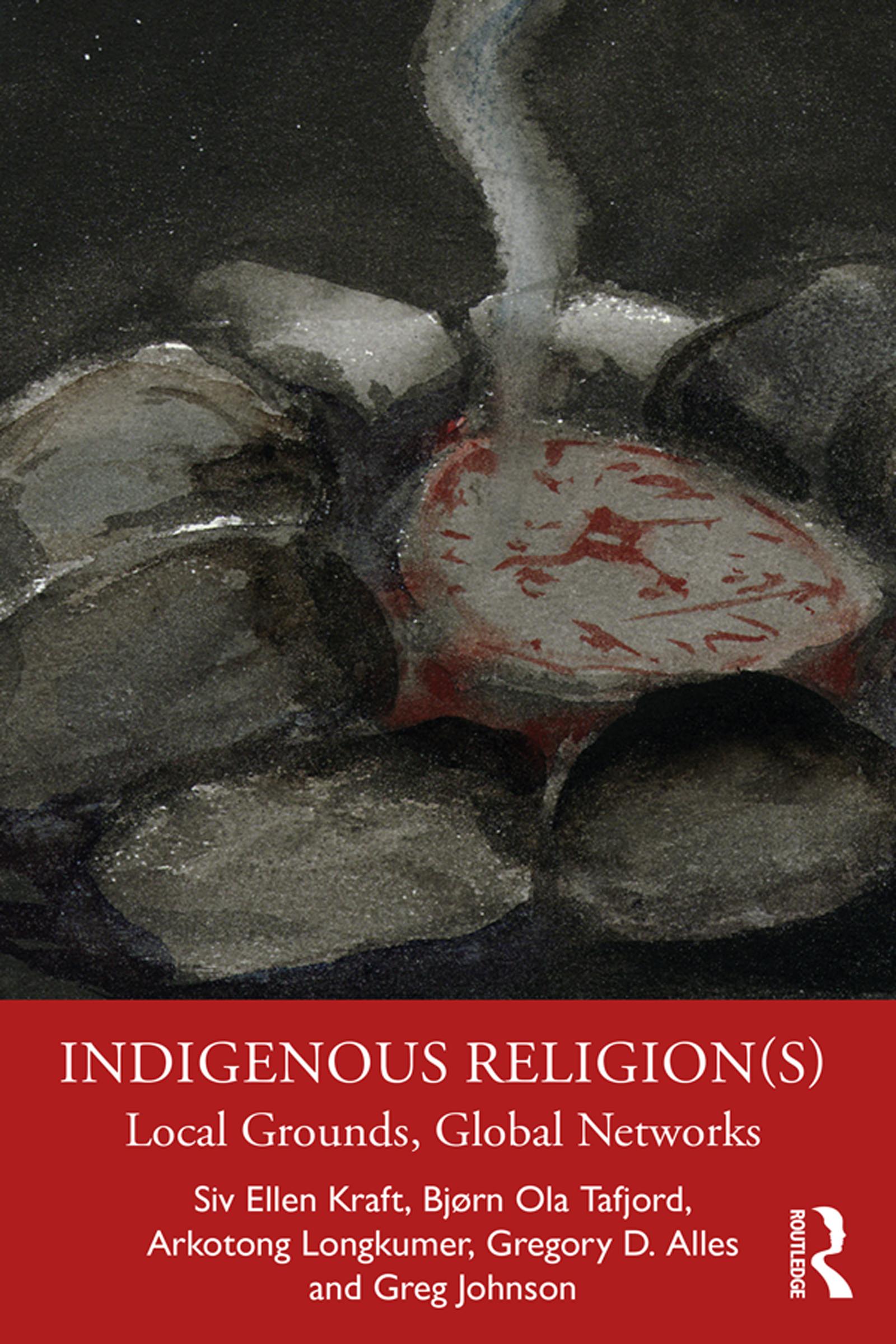
What counts as 'indigenous religion' in today´s world? Who claims this category? What are the processes through which local entities become recognisable as 'religious' and 'indigenous'? How is all of this connected to struggles for power, rights and sovereignty?
This book sheds light on the contemporary lives of indigenous religion(s), through case studies from Sápmi, Nagaland, Talamanca, Hawai`i, and Gujarat, and through a shared focus on translations, performances, mediation and sovereignty. It builds on long term case-studies and on the collaborative comparison of a long-term project, including shared fieldwork. At the center of its concerns are translations between a globalising discourse (indigenous religion in the singular) and distinct local traditions (indigenous religions in the plural).
With contributions from leading scholars in the field, this book is a must read for students and researchers in indigenous religions, including those in related fields such as religious studies and social anthropology.
Betal enkelt med kort, Klarna, Apple Pay eller Google Pay. Ikke fornøyd? Du har alltid 14 dagers angrerett. Les mer i våre vilkår. Har du spørsmål, send oss en e-post på hello@memmo.org.
Memmo gjør det enklere å studere – uansett hvor du er i verden. Hos oss samler du pensumbøker og smarte studieverktøy på ett og samme sted: sammendrag, quizer, podkaster og flashcards. Og så Ted, din studiekompis som svarer på alt du lurer på. Over 50 000 studenter studerer allerede her – bygget for at du skal lære raskere og stresse mindre.