
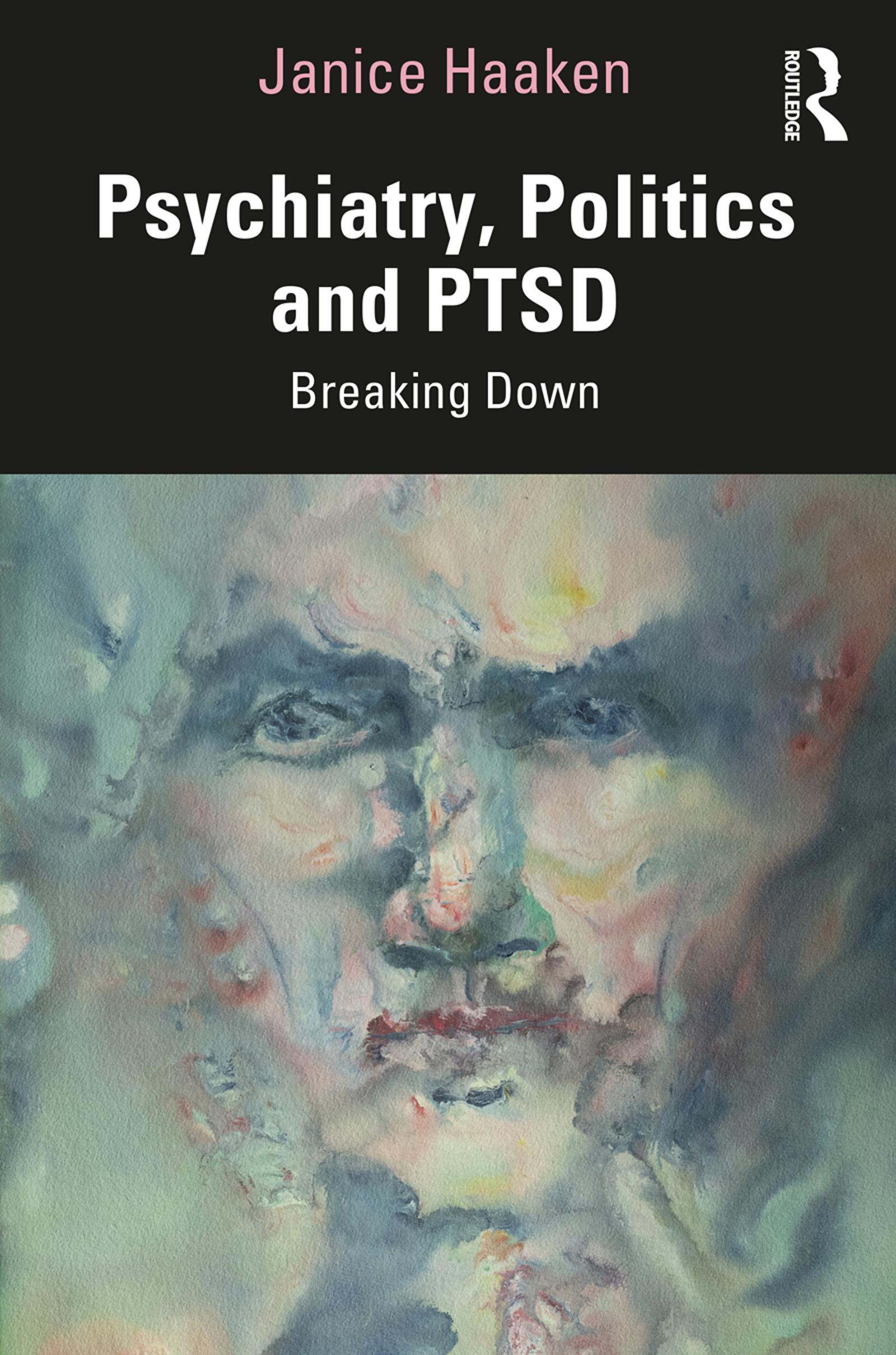
Integrating critical and feminist psychology, psychiatry, and psychoanalysis, this text offers a distinct perspective of posttraumatic stress disorder (PTSD) as a clinical and social phenomenon.
The book draws upon interviews carried out in field settings to examine the true individual and social costs of being diagnosed with PTSD. The author examines how social contexts and social movements shape diagnostic thinking about mental trauma and how the PTSD diagnosis emerged as a symptom of a crisis in psychiatry over demands to recognize the social and political origins of mental suffering. Chapters explore case examples from a range of settings, such as military and veterans' affairs clinics, war zones and refugee camps, psychosomatic medicine, the criminal justice system, and more.
Providing a new way of thinking about PTSD and an alternative to both critics and defenders of the diagnosis, this text will be useful for scholars and practitioners in psychiatry, psychology, psychoanalysis, public health policy as well as, sociology, social work, gender studies, and the law.
Betal enkelt med kort, Klarna, Apple Pay eller Google Pay. Ikke fornøyd? Du har alltid 14 dagers angrerett. Les mer i våre vilkår. Har du spørsmål, send oss en e-post på hello@memmo.org.
Memmo gjør det enklere å studere – uansett hvor du er i verden. Hos oss samler du pensumbøker og smarte studieverktøy på ett og samme sted: sammendrag, quizer, podkaster og flashcards. Og så Ted, din studiekompis som svarer på alt du lurer på. Over 50 000 studenter studerer allerede her – bygget for at du skal lære raskere og stresse mindre.