
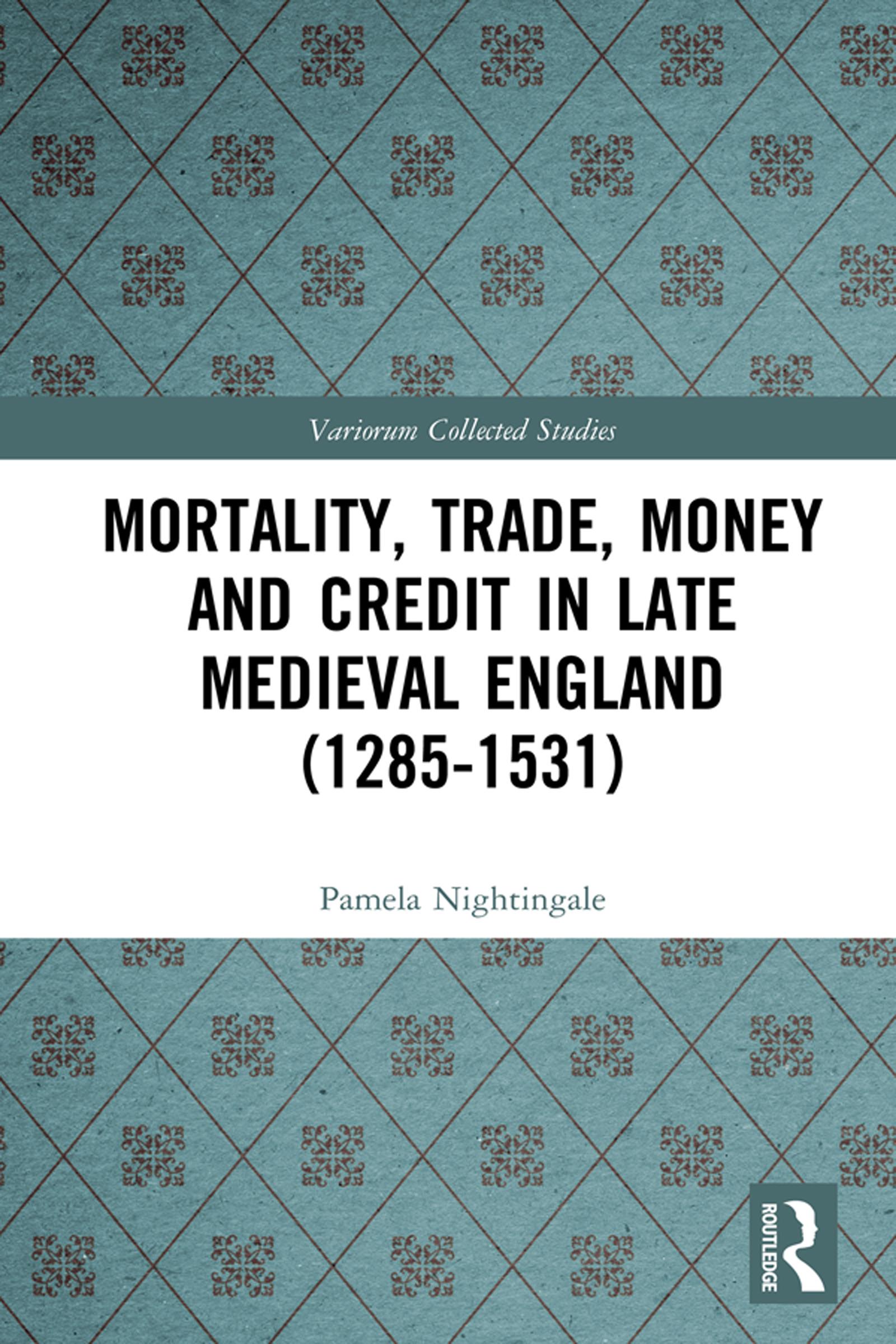
The eleven articles in this volume examine controversial subjects of central importance to medieval economic historians. Topics include the relative roles played by money and credit in financing the economy, whether credit could compensate for shortages of coin, and whether it could counteract the devastating mortality of the Black Death. Drawing on a detailed analysis of the Statute Merchant and Staple records, the articles chart the chronological and geographical changes in the economy from the late-thirteenth to the early-sixteenth centuries. This period started with the triumph of English merchants over alien exporters in the early 1300s, and concluded in the early 1500s with cloth exports overtaking wool in value. The articles assess how these changes came about, as well as the degree to which both political and economic forces altered the pattern of regional wealth and enterprise in ways which saw the northern towns decline, and London rise to be the undisputed financial as well as the political capital of England.
Betal enkelt med kort, Klarna, Apple Pay eller Google Pay. Ikke fornøyd? Du har alltid 14 dagers angrerett. Les mer i våre vilkår. Har du spørsmål, send oss en e-post på hello@memmo.org.
Memmo gjør det enklere å studere – uansett hvor du er i verden. Hos oss samler du pensumbøker og smarte studieverktøy på ett og samme sted: sammendrag, quizer, podkaster og flashcards. Og så Ted, din studiekompis som svarer på alt du lurer på. Over 50 000 studenter studerer allerede her – bygget for at du skal lære raskere og stresse mindre.