
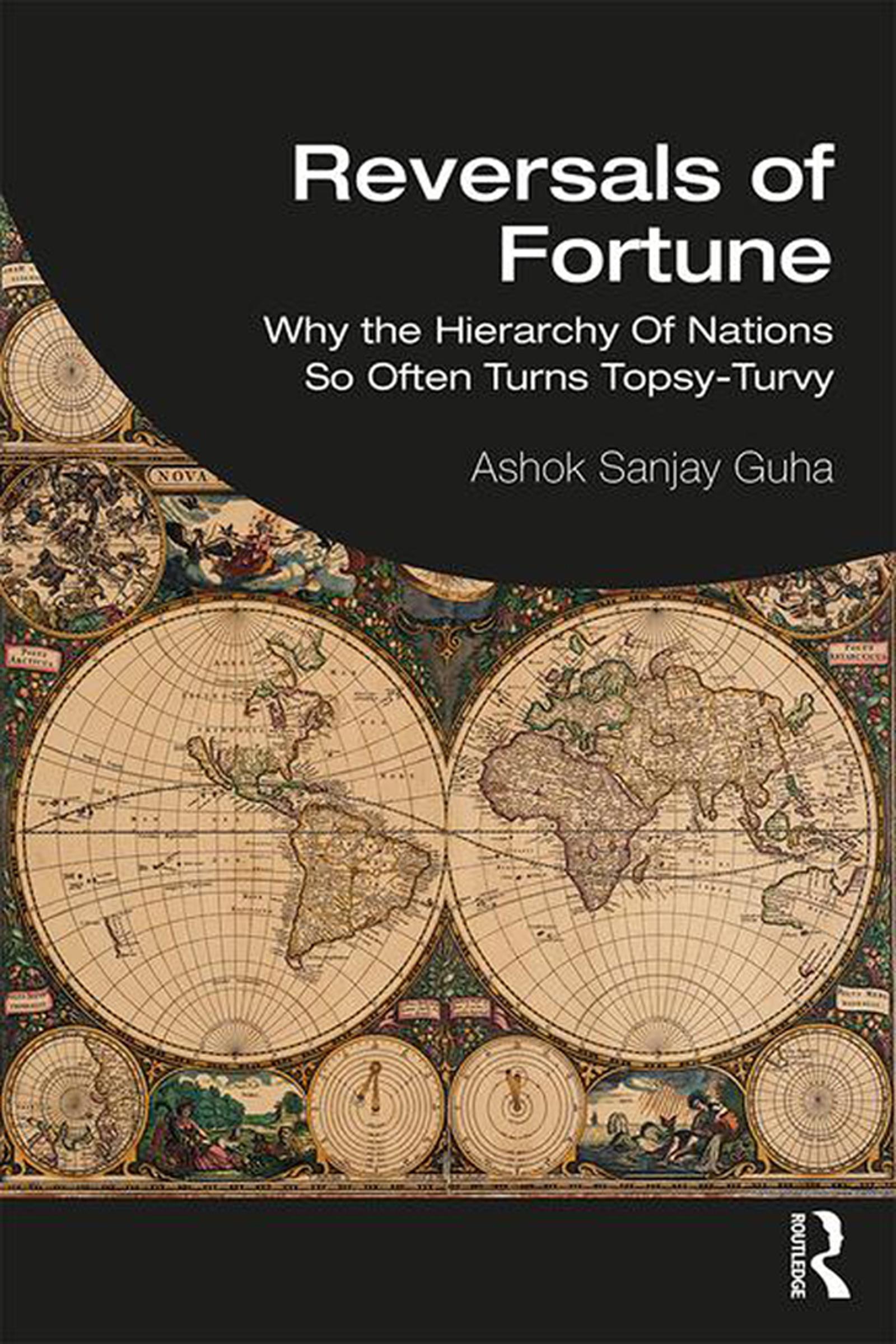
Why has history so often turned the economic and political hierarchy of nations topsy-turvy? This book examines the evidence of the last 500 years to challenge the two dominant narratives on the answers to this question. It argues that the explanation lies neither in the quality of institutions that societies possess nor in their capacities for technological innovation. What matters for the economic and political success of a country, it claims, is the interaction between current technological knowledge and global demand on the one hand and its geography and the population it inherits from its past on the other. Those societies succeed whose endowments best fit the requirements of current technology and world demand. It hardly matters who developed the technology.
In the process of examining the patterns that inform the fates of nations over time, Reversals of Fortune charts the economic histories of Western Europe and Asia from the sixteenth century to the present day.
A compelling tour de force, this book reshapes and rethinks global history. The volume will be a fascinating read for scholars of history and economics, especially economic history and human geography.
Betal enkelt med kort, Klarna, Apple Pay eller Google Pay. Ikke fornøyd? Du har alltid 14 dagers angrerett. Les mer i våre vilkår. Har du spørsmål, send oss en e-post på hello@memmo.org.
Memmo gjør det enklere å studere – uansett hvor du er i verden. Hos oss samler du pensumbøker og smarte studieverktøy på ett og samme sted: sammendrag, quizer, podkaster og flashcards. Og så Ted, din studiekompis som svarer på alt du lurer på. Over 50 000 studenter studerer allerede her – bygget for at du skal lære raskere og stresse mindre.